Author: way0utwest

  • The Top Ten Skills You Need for SQL Server

    This talk is designed to talk about the most common skills that you need to work with SQL Server on a daily basis. It is mostly for administrators, but quite a bit of this information would benefit developers if they understood it.

    The top ten skills are:

    1. Perform a Backup
    2. Restore a Database
    3. Setup Security
    4. Join Tables Together
    5. Create an Index
    6. Run Database Maintenance
    7. Schedule a Job
    8. Send an Email from SQL Server
    9. Import Data
    10. Search BOL

    Length: 75 minutes (can be done in 60)

    Talk specific slides are here:
    I have a series of blog posts under the TopTenSkills tag that relate to these items.
  • The Career Path

    Which career path would you like?

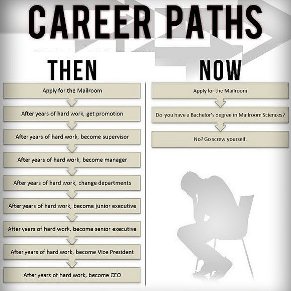
    Most people seem to wander through their careers, taking any job that comes their way. Others have a tight focus, often with a larger goal of ending up as the owner of a company or perhaps the CIO of one.

    However for the technical person, someone that wants to remain employed for a long time, but doesn’t want to oversee others, there isn’t a clear path. So many DBAs, developers, and other people have no interest in moving into management, but they still would like to progress in some fashion to other jobs.

    This Friday I wanted to ask what that progression might be like if you had no restrictions from HR and could design your own set of jobs:

    What would you like your technical career path to look like?

    I am wondering if you think there ought to be some way to advance to a senior person, maybe with multiple levels after your title. Perhaps some of you would like to move into an architect position or even be seen as some technical fellow after some amount of time.

    Think about the way that a technical career might advance, without going into management, and let us know in which direction you wish you could move.

    Steve Jones


    The Voice of the DBA Podcasts

  • The Woes of Cloud Computing

    Cloud computing: sunshine or rain?

    Many people have been skeptical about the move to cloud computing, especially in the database world. There are valid reasons to worry about security, legal issues, and more. I certainly think that using cloud services requires some planning and careful examination of the impact to your environment, but I also think that many companies will want to make the move, so it pays to learn more about cloud computing and be prepared with realistic, rational concerns from the database perspective.

    Anthony Skipper of ServiceMesh gave a presentation on some of the problems and lessons learned from moving to cloud computing. It was picked up in an Information Week piece that summarizes some of the areas that can cause problems for your company. The list of issues is a good one, and worth reading through.

    There are a couple of items in the list that I thought were very interesting for data professionals. The first was the fact that companies need to ensure that they implement policy from the beginning for how cloud services will be used. I think this will always be a point of contention between IT and the clients, and this isn’t an excuse to lock down clients or limit their options. Instead it ought to be a place where IT looks to be informed, help with guidance, and respond more quickly to client requests. IT cannot be the stumbling block in the cloud, or it will get left behind.

    The other thing? This quote: Have the ability to bring things back internally or to another provider at any point. That’s a great point. The cloud isn’t the ultimate answer, and you ought to have a backup plan, which should include the ability to move your services back to your own data center.

    Steve Jones


    The Voice of the DBA Podcasts

  • #1 Skill Needed – Backups

    This series of blog posts are related to my presentation, The Top Ten Skills You Need, which is scheduled for a few deliveries in 2011.

    1. Backups

    The first skill that you really need is the ability to back up a database. No matter what else you can do, or others will do, if you have backups, you can recover from issues.

    The is the first thing you should do with a new database. Make a backup if there isn’t one, and create a new schedule. Even if you haven’t added any objects or data, just setup a backup schedule. It’s easy to put off, and forget. I can’t tell you how many times I’ve run into a developer or DBA that is looking to recover a database and doesn’t have backups.

    Backups are insurance. Just like you have Geico, or Aviva, or any other insruance company in case of situations like this:

    Car Accident

    You never know when this will happen, so you have to be prepared. In the database world, part of your preparation is having a backup.

    Even if you don’t know how to do a restore, make sure you have a backup. You can always find someone to help you with a restore, but another person can’t help you with a restore without a backup file.

    Learn how to use the Backup T-SQL command.