Author: way0utwest

  • Seeking Growth

    The word of the day is na·ive·té:  lack of experience, wisdom, or judgment.

    I used this word in a post, and wound up checking the spelling, since I constantly want to include an “i” instead of an “e” in middle of the word. As I saw the definition, I started to think about what this really means.

    We all experience this at times, after all, how can we gain experience except by working in a field where we lack it. The wisdom and judgment, hopefully come with experience, time, and (not too large) mistakes.

    The thing I’ve found often for myself is that I try to avoid situations where I am naive. I lean towards those places where I have some confidence, some wisdom, and experience. I work on my strengths most of the time. Certainly I’ve seen lots of people embrace that. We polish those things we enjoy, we have success with, and from which we get good feelings.

    When I coach, I see this often. Arguably, this is not the best use of most of your time. You ought to work on those things you don’t do well, those weak points, the places where you are naive. Improve the lower end, and the entire finished product is better.

    Or is it?

    I think you need a balance here. It pays to continue to refine you top skills, but it’s also good to grow and embrace things where you have little skill. Step into areas with the acceptance that you may make mistakes. Grow and learn, and embrace new ways or working, or even refinements to your skills.

    Steve Jones

    Listen to the podcast at Libsyn, Stitcher or iTunes.

  • Daily Coping 7 Dec 2020

    I started to add a daily coping tip to the SQLServerCentral newsletter and to the Community Circle, which is helping me deal with the issues in the world. I’m adding my responses for each day here. All my coping tips are under this tag. 

    Today’s tip is to discover your artistic side and design your own Christmas cards.

    I’m not a big Christmas card sender, but years ago I used to produce a letter for the family that we sent out to extended family and friends. It was a quick look at life on the ranch. At some point, I stopped doing it, but I decided to try and cope a little this year by restarting this.

    While we haven’t done a lot this year, we have spent time together, and life has changed for us, albeit a bit strangely. I’m here all the time, which is good for family. So I gathered together some photos from the year, and put them together with some words and a digital Xmas card.

    I’m not sharing the words here, but I’ll include the design with the photos.

    2020-12-01 12_59_04-Document1 - Word

  • A Technology Collapse

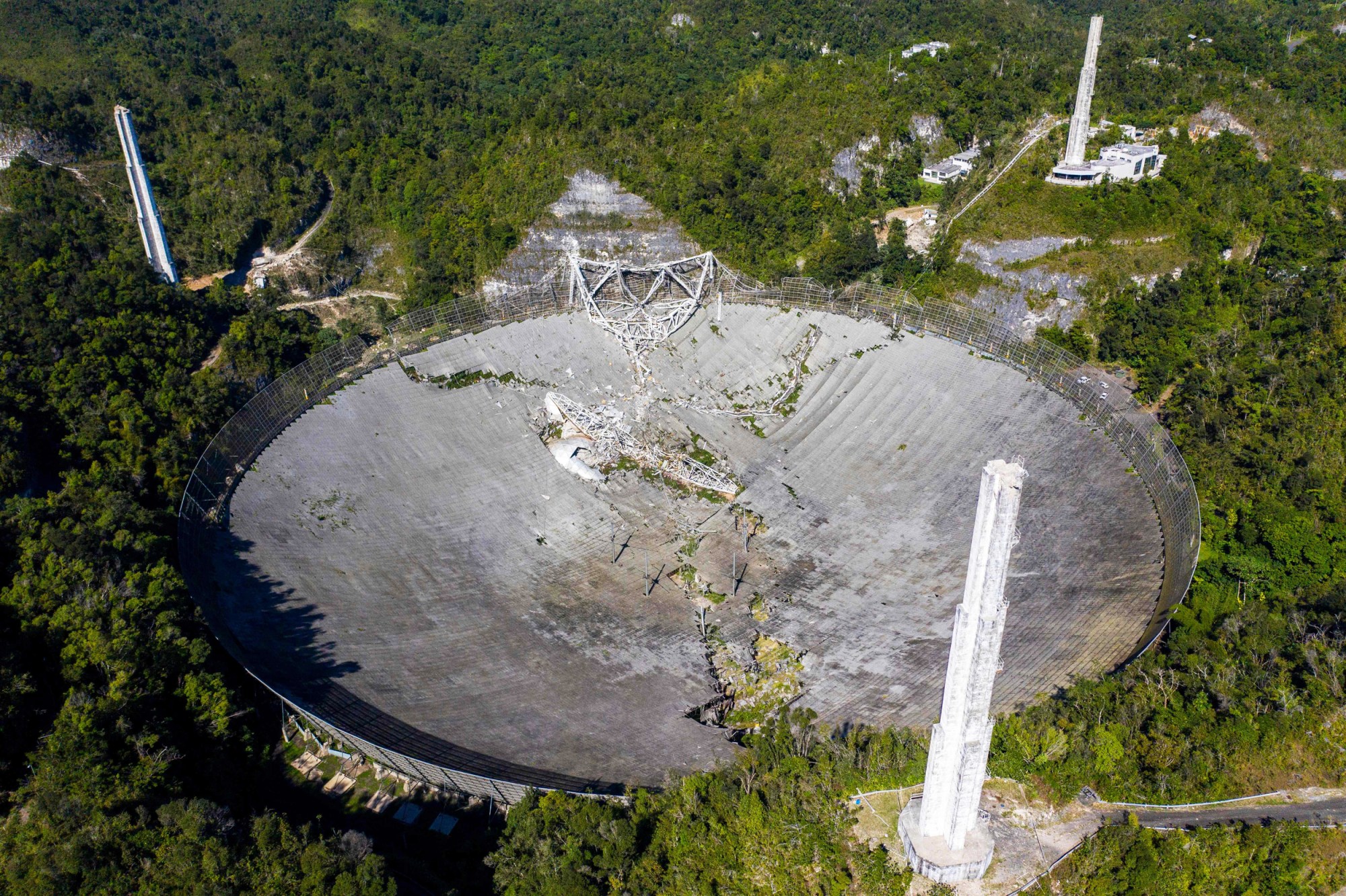
    This past week the Arecibo radio telescope collapsed, with cables and instruments falling into the massive dish. You can see images of the devastation, which saddens me. I doubt this will be rebuilt, though one can keep hope alive. there were reports of failures a month or so ago, with the intent to shut down the telescope, remove instruments, and institute a controlled demolition.

    The facility was featured in a few movies, notably GoldenEye and Contact. The latter is one that first showed me the telescope, which I first thought was a movie magic trick. When I found out this was a real facility, I was amazed that humans could conceive and build such a structure. Even more amazing is that it was built in the 1960s.

    That’s quite a lifetime for a piece of technology. While I’m sure lots of wiring, electronics, computer systems, and more were added or upgraded, the core of this telescope remained the same. The ongoing engineering effort, fitting new capabilities around legacy systems and structures, was likely a study that many would find interesting.

    I don’t know many database systems that have survived that long, but certainly there are some long lived legacy applications. The Sabre reservation system for airlines is one that stands out to me. The history of this one is fascinating, especially as it’s a system I’ve depended on in my travels.

    Many of us that work with databases likely feel that everything we do is a legacy system. The dependencies our objects have on various applications, scripts, reports, and more can limit how much repair, improvement, or replacement we can make to schema.

    There are good techniques for modifying our objects, and helping to ensure we don’t break systems, but we often do need some cooperation and collaboration with application developers to implement those changes. Much of DevOps avoids talking about the database, but we shouldn’t. Instead, we ought to embrace database refactoring patterns, both at the database and application levels, ensuring that our systems can survive for as long as we need them while adapting to the changing requirements of our clients.

    Steve Jones

  • Your Favorite IDE

    SSMS is, well, it’s what we mostly have from Microsoft. It’s been around a long time, but it is getting regularly released. There are new versions about every quarter, and there are bug fixes and minor enhancements. Azure Data Studio appears to be where Microsoft would like most of us to move, but I, and many others, somewhat resist this because it’s not quite as full featured as we’d like.

    Recently I was watching one of Brent Ozar’s Ask Me Anything recordings, and some people asked about SSMS and other IDEs. I think Brent is mostly an SSMS fan, and deals with issues, but he mentioned some other IDEs, like DataGrip.

    I’ve never used that one, but I used to use RapidSQL when it was Embarkadero, mostly because I had offline editing. Once Microsoft added that, I didn’t see a reason to buy it anymore. At Redgate, we’ve been asked to produce an IDE, but that’s a ton of work for limited commercial appeal. At least, that’s been what I think.

    Today, I’m curious. What’s your favorite IDE to work with SQL Server, or maybe the Microsoft data platform? I’d like to know what you use for SQL Server, but I’d also be curious what you use for other code. PoSh, C#, anything else. Are you a Visual Studio person? Do you like VS Code, and if so, is ADS a complement for databases or do you prefer SSMS?

    Let me know. Maybe you’ll convince me to try another editor.

    Steve Jones