No blogging this week. I’m taking a much needed break in the Colorado mountains with my family.
I’ll likely be unwired for the most part, so not responding to email, tweets, texts, comments, etc.
Enjoy the week everyone.
No blogging this week. I’m taking a much needed break in the Colorado mountains with my family.
I’ll likely be unwired for the most part, so not responding to email, tweets, texts, comments, etc.
Enjoy the week everyone.
With SQL Server coming on Linux, some people will want to learn a bit of Linux. Or perhaps they need to get re-acquainted with the OS, which is my situation. I grew up on DOS, but moved to Unix in university. I’ve dabbled in Linux over the years, but with no real use for it over Windows, I abandoned it a decade ago.
Now, I’m trying to re-learn some things as I play with SQL Server on Linux.
Recently I saw a quick video from Scott Hanselman on the Bash subsystem in Windows. I actually first saw this live at the Build 2016 announcement, but when it was added in Beta to Windows 10, I didn’t add it. I’ve been meaning to, but hadn’t.
Until today.
The video shows, but there are two things to do, well, really 3.
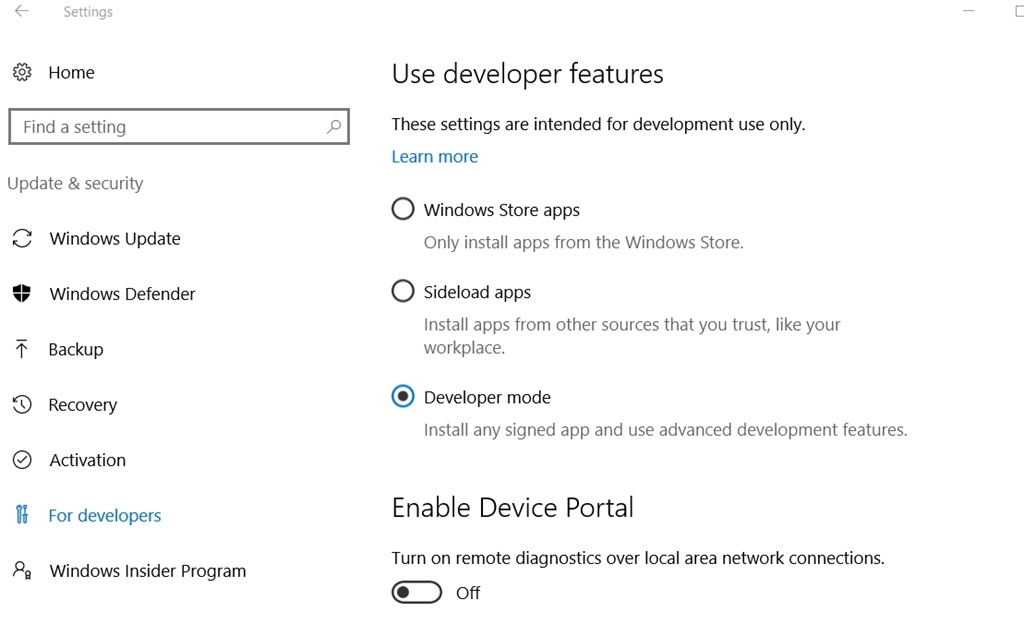
First, enable developer mode. In the W10 Control Panel, type “developer” and you’ll find under Update and Security, a “For Developers” option. I’d enabled “developer mode” before, so that was done for me, but check that box (shown below).
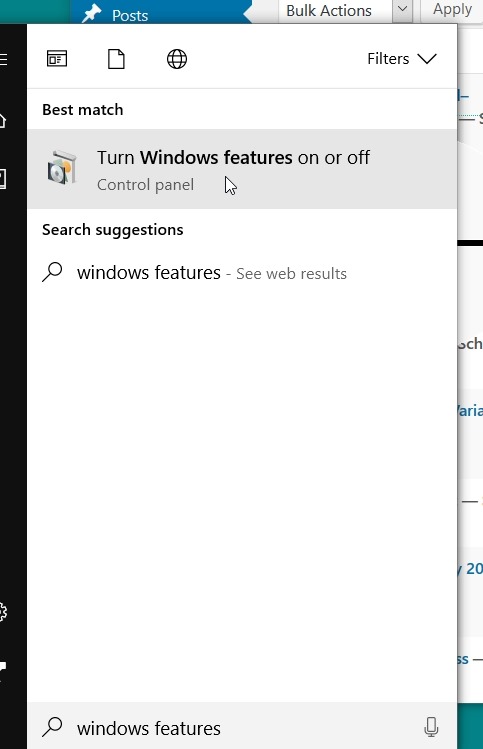
Next, hit the Windows key and type “Windows features”. You’ll get this:
Click that, and in the dialog, scroll down. You’ll find the Windows Subsystem for Bash. Check it.
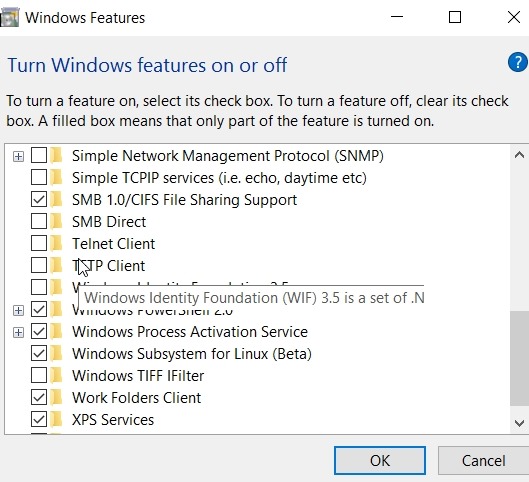
Then Windows will tell you to reboot, so do that. After you reboot, type “bash”.
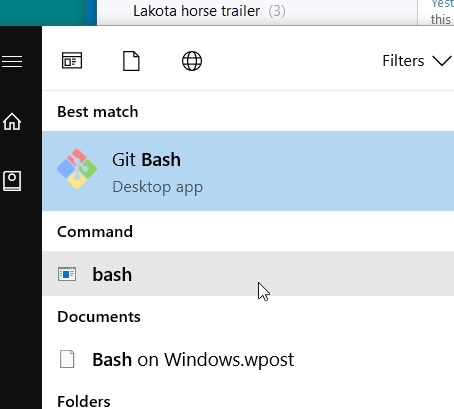
The command “bash” will open the shell. Once you do that, you have bash running.
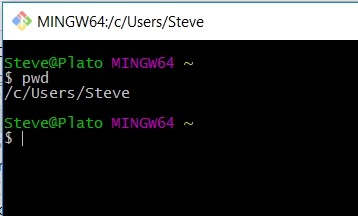
There are options here, though I’m sad this doesn’t integrate into my ConEmu terminal. Maybe soon. The first thing I did was raise the font, because, well, I’m old.
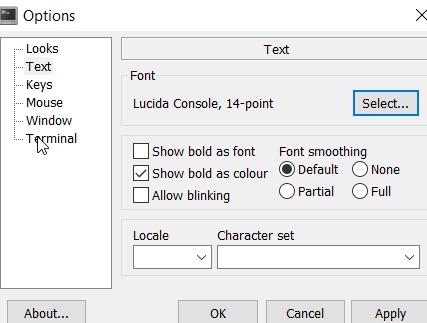
I’ll have to play around, and get familiar with bash again. I won’t use it a lot, but it could be handy when working with SSoL and needing to SSH or otherwise connect to that vm without firing up rdp or my VMWare console.
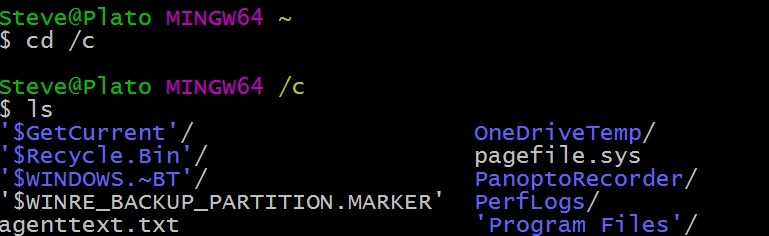
I don’t remember lots of commands, but I did manage to get to my C: drive.
“Climb the mountain to see the world, not be seen by the world.” – from Tim Ford.
This past July 1 was the renewal date for a number of Microsoft MVPs. The program has changed in the last year, moving from a quarterly nomination/renewal to a monthly award. The first of every month moving forward will see new MVPs awarded. All MVPs are now renewed on July 1.
For existing MVPs, we had a bit of a change, and some of us were up for renewal this year, and some next year. I happened to move from my Jan 1 date to next year, so that’s when I’ll find out if I am going to be recognized by Microsoft again.
There were a few surprising changes last week, when a few people were not renewed as MVPs. I expect that the bar for being an MVP has been raised, with so many more individuals participating in blogging, speaking, software, and more. The level of community participation in 2015 might not have been enough in 2016 to be renewed.
“Climb the mountain to see the world, not be seen by the world.”
As the quote notes, you should tackle the challenge without any concern about whether or not the world, or Microsoft in this case, notices.
Help the community publicly. You can do this in many ways:
There are any number of ways to be a community person, but do so because you want to. Become the best technical community person you can, and you won’t be sorry.
If you meet some bar, and are nominated (feel free to ask others to nominate you), then you may be awarded, but you should help others because you want to. Not because you expect to be repaid with an MVP award.
Help others because you want to help others, not because someone will see you helping.
The people recognized by Microsoft are chosen based on their community contributions in a period of time. However, these are smart people who are capable, helpful, and friendly. They will always be an MVP to me, and likely always willing to help. They continue to learn, teach, and expand their knowledge of technology.
They can always remember that they were recognized as an MVP by Microsoft, even if they aren’t today.
I don’t think most of us need to know Linux, but if you end up managing a system, it’s good to have a little idea of how to get around. This is a short series of posts as I remember the skills I used to have back in university.
There are times you need to execute a bunch of commands as root. Rather than sudo x, sudo y, sudo z, you might just sudo –i to change to root.
For example, I often will do this:
sudo apt-get update

sudo apt-get install mssql-server

sudo systemctl start mssql-server
I could just run those as root. However, when I’m done, how do I get back to my normal user? It’s been a long time, so I had to look it up. I wrote this post so I’ll remember since I don’t use Linux daily.
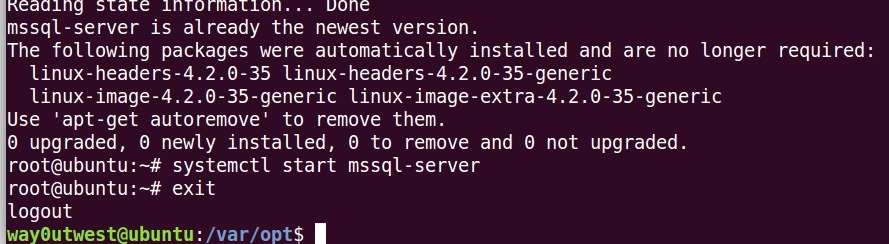
Type
Exit
That’s it.
 Voice of the DBA