Tag: BookofRedgate

  • The Book of Redgate: No Politics

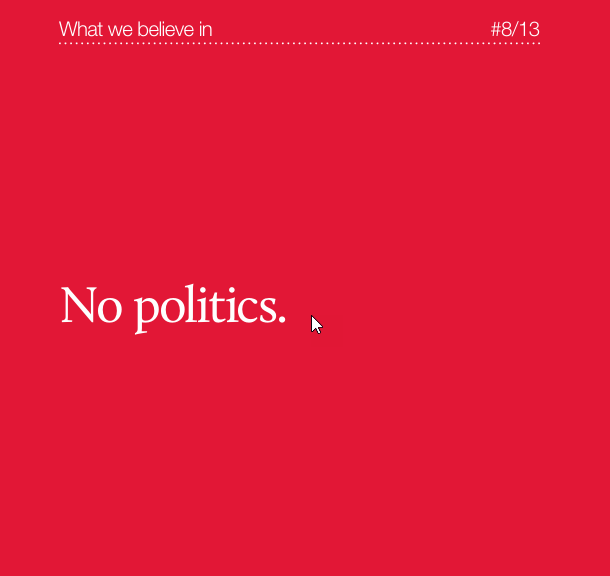
    In today’s world, this might mean something different, but in 2010, we had this value:
    2026-02_0176

    In our context, this was about being open and transparent. This is the text from the facing page:

    No gossiping, no intrigue, no pussy-footing around problems and no telling people what you think they want to hear whist privately disagreeing. We will be transparent in our dealings.

    In a small company (2010 must have been 200-ish people), this made a lot of sense and I think overall we minimized politics. I don’t know this will ever be a “no politics” world for Redgate or any other, but we were better about publicly disagreeing.

    I think we’ve lost a little of this over the years, as I see more people talking a bit inconsistently to smaller, private groups than they do to large ones. I try hard not to do this, though I’m sure my open-ness sometimes rubs people the wrong way.

    I’m OK with some conflict. I’m also OK debating and disagreeing about what we do or why/how we do things. I think it’s healthy to do so.

    I have a copy of the Book of Redgate from 2010. This was a book we produced internally about the company after 10 years in existence. At that time, I’d been there for about 3 years, and it was interesting to learn a some things about the company. This series of posts looks back at the Book of Redgate 15 years later.
  • The Book of Redgate: Mistakes

    This is kind of a funny page to look at.

    2026-01_0144

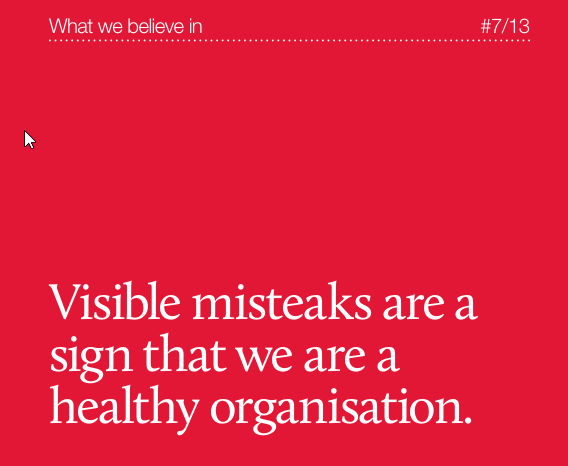
    The next page has more detail. This is the text from the facing page:

    What we do is very difficult, the current situation is hard to understand ,and the future is uncertain. Mistakes are an inevitable consequence of attempting to get the right stuff done. Unless we can make mistakes visible both individually and collectively ,we will be doomed to mediocrity.

    One of the things that I’ve enjoyed about being at Redgate is that we try stuff and we sometimes fail. We talk about those issues in engineering and we do a decent job of an RCA and retrospective that we publish publicly (internally). I like that. Not every group does this, but many do, and lots of groups have influenced others to start or get better.

    We’re not perfect, and we know it. However, we are striving to accept those imperfections in others, even as we try to improve.

    I have a copy of the Book of Redgate from 2010. This was a book we produced internally about the company after 10 years in existence. At that time, I’d been there for about 3 years, and it was interesting to learn a some things about the company. This series of posts looks back at the Book of Redgate 15 years later.
  • The Book of Redgate: SQL Server Central

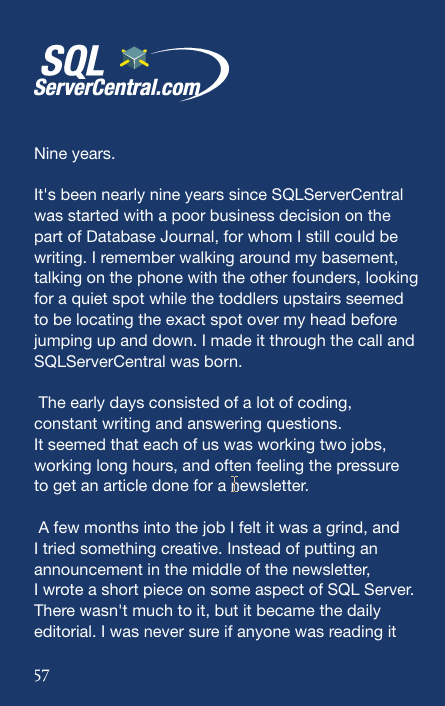
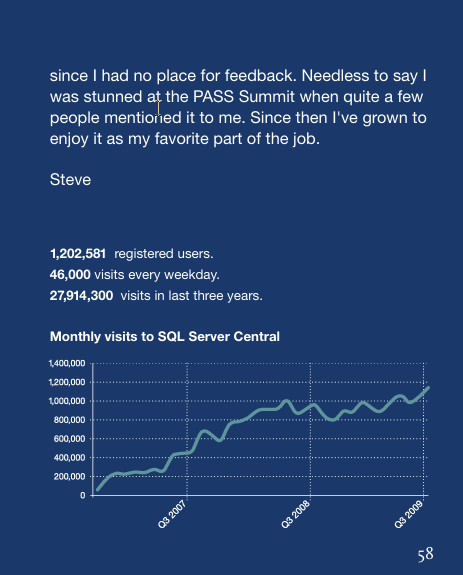
    It was neat to stumble on this in the book, a piece by me, just a few years after Redgate acquired SQL Server Central. I’ll let the words speak for themselves.

    2026-01_0142

    2026-01_0143

    I have a copy of the Book of Redgate from 2010. This was a book we produced internally about the company after 10 years in existence. At that time, I’d been there for about 3 years, and it was interesting to learn a some things about the company. This series of posts looks back at the Book of Redgate 15 years later.

  • The Book of Redgate: Get the right stuff done

    Another of our values:

    2025-10_line0108

    The facing page has this quote: “We admire people who get stuff done. While there’s a place for planning, thinking and process it is better to try – and try well – and fail than not to try at all.”

    This is an approach I use in lots of my life. Not always, but I do try to get things done, and make a strong effort in doing so. I ask the kids I coach to do the same. The effort is what matters; it’s more important than the outcome. The outcomes matter, but we can accept mistakes.

    This is one of those values I think ought to be more prominently displayed and discussed, in most organizations.

    I have a copy of the Book of Redgate from 2010. This was a book we produced internally about the company after 10 years in existence. At that time, I’d been there for about 3 years, and it was interesting to learn a some things about the company. This series of posts looks back at the Book of Redgate 15 years later.