Tag: BookofRedgate

  • The Book of Redgate: Taking Breaks

    We work hard at Redgate, though with a good work-life balance. One interesting observation for me (as an American) is how well most of the company in the UK works normal hours and rarely works outside of those.

    However, sometimes we do find people, especially engineers, heads down and very focused. With our engineers in the office a day or two a week, they might end up coding in a group and trying to solve a challenging issue.

    We used to have engineers working more than 8 hours regularly, often late, when they were in the office. I came across this page in the Book of Redgate.

    2026-04_0229

    The text below is: Working too hard? Why not relax with a gentle game of ping-pong.

    Our offices have always had some game tables. I don’t think we have ping pong in the new office, but we have a pool table near the coffee machines and I’ll see people taking a few minutes to play a game at different times. We also (I think) still have a foosball table.

    We have a piano upstairs, and some guitars in the foyer. I usually take a few minutes between meetings and strum some songs. Here’s the view I have most days when I’m in the office, a few minutes at a time.

    20260121_094507

    We’re not afraid of resistant to working hard. We just try to take breaks and find balance.

    I have a copy of the Book of Redgate from 2010. This was a book we produced internally about the company after 10 years in existence. At that time, I’d been there for about 3 years, and it was interesting to learn a some things about the company. This series of posts looks back at the Book of Redgate 15 years later.
  • The Book of Redgate: Profits

    Redgate is a for-profit company. We look to make money by building and selling tools that help you. If we do a good job, we make money. If we don’t, you shouldn’t buy our tools.

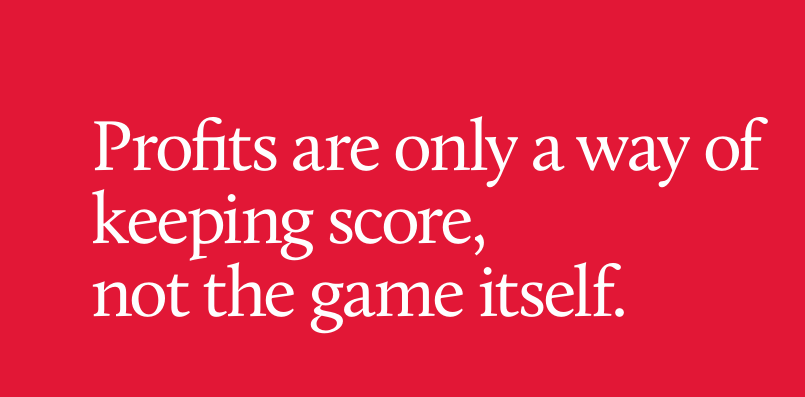
    I found this value to be very interesting:

    2026-04_0228

    The next page has this statement:

    Focusing purely on the numbers is a sure way to kill Red Gate’s culture. We believe that if we focus on the game – building awesome products that people want to buy, and then persuading them to buy them – then success will follow.

    Profits matter. Certainly all of us want to be paid (and get a bonus of some sort). With the changes in Redgate’s board this year, this is a piece of culture that I believe in and advocate to keep as an item of focus.

    We watch profits, but we don’t optimize for profit, we aim to optimize in building better and better products that meet the need of our customers and prove their value from an ROI standpoint. Especially in this era of subscription software.

    Our goal is what’s in the quote: build awesome products.

    I have a copy of the Book of Redgate from 2010. This was a book we produced internally about the company after 10 years in existence. At that time, I’d been there for about 3 years, and it was interesting to learn a some things about the company. This series of posts looks back at the Book of Redgate 15 years later.
  • The Book of Redgate: Do the Right Things

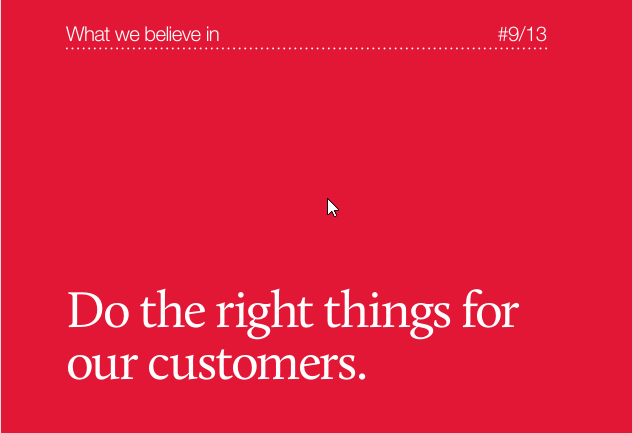
    I do believe that Redgate has been very customer focused since it’s inception. I’ve worked with them in some capacity since 2002 and I’ve felt this along the way:

    2026-02_0177

    The next page has this statement:

    We believe that if we do what is right for our customers then we will thrive.

    I think that’s been true when we keep this in mind. The (relatively) few times we’ve started to do things for ourselves rather than thinking about customers, things haven’t worked out as well.

    I think this sentiment is one that guides a lot of my life. Certainly inside Redgate, but also in the rest of my life. If I do what is best for another, or the world, often that works out well. It doesn’t mean I’m as efficient, profitable, less stressed, or anything else as I could be.

    But I’m happier and I thrive.

    I have a copy of the Book of Redgate from 2010. This was a book we produced internally about the company after 10 years in existence. At that time, I’d been there for about 3 years, and it was interesting to learn a some things about the company. This series of posts looks back at the Book of Redgate 15 years later.

  • The Book of Redgate: No Politics

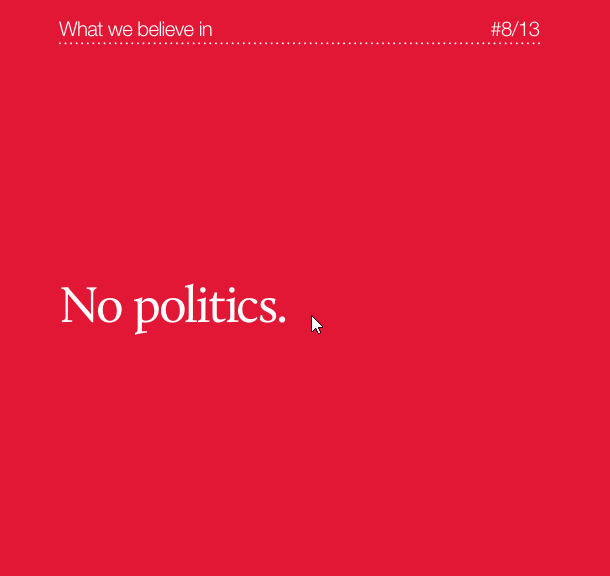
    In today’s world, this might mean something different, but in 2010, we had this value:

    2026-02_0176

    In our context, this was about being open and transparent. This is the text from the facing page:

    No gossiping, no intrigue, no pussy-footing around problems and no telling people what you think they want to hear whist privately disagreeing. We will be transparent in our dealings.

    In a small company (2010 must have been 200-ish people), this made a lot of sense and I think overall we minimized politics. I don’t know this will ever be a “no politics” world for Redgate or any other, but we were better about publicly disagreeing.

    I think we’ve lost a little of this over the years, as I see more people talking a bit inconsistently to smaller, private groups than they do to large ones. I try hard not to do this, though I’m sure my open-ness sometimes rubs people the wrong way.

    I’m OK with some conflict. I’m also OK debating and disagreeing about what we do or why/how we do things. I think it’s healthy to do so.

    I have a copy of the Book of Redgate from 2010. This was a book we produced internally about the company after 10 years in existence. At that time, I’d been there for about 3 years, and it was interesting to learn a some things about the company. This series of posts looks back at the Book of Redgate 15 years later.