Tag: career

  • Shutting down for a week

    I try to speak and write about career things on a regular basis because I think they’re important topics for those of you working with SQL Server. Arguably they are as important as the technical stuff. One of the things I try to preach is “balance” and making sure that you remember that we work to live, not live to work.

    With that in mind, I’m searching for a bit more balance in my life. This year has involved more speaking and traveling for me, and it was too much. I have been unbalanced the last 60-90 days, but I’ve had commitments to keep and I’ve made them. It’s been hard and now I need to get back in balance.

    One way I’ve wanted to do that is to ensure that I take my vacation each year. I have had a few breaks this year, but not enough, and I’m trying to rectify that. I’m on vacation from Friday, Nov 18, and won’t be back at work until Mon, Nov 28. My family and I are taking a week to ski in the mountains, and I’ll be enjoying a half day at The Woodworking Show Friday before we leave.

    Enjoy your own holiday, stay away from email and work if you don’t have an emergency, and remember to have a good break next week if you get time off for the Thanksgiving holiday.

  • The Industry Problem

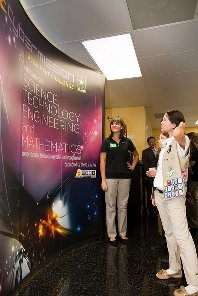
    STEM subjects for Girl Scouts
    Do we need more STEM subject majors?

    The majority of the people that I know working in technology do not seem to have college degrees in computer science. I know many people with degrees in many other subjects, and quite a few people that don’t have a degree. In most of those cases, the successful individuals have worked in the real world and gathered their knowledge about technology through hard work across time. It also seems that many of the people I’ve met with CS degrees are often those that make he most mistakes in real world software development or system administration.

    Colleges don’t teach you all the skills you need in the real technology world. The best workers I know in this business are the most adaptable, thinking laterally about problems, and bringing flexible approaches to solving problems. With many surveys showing a shortage of technical talent likely in the next few years, we ought to be encouraging more people to enter the technology field.

    When I saw this article about college graduates in STEM (science, technology, engineering, and math) subjects, I had mixed feelings. On one hand I think that people growing up today need to be smarter, and more educated than ever before.  Expecting to coast through some job, whether it’s in technology, marketing, medicine, or any other field, on the basis of what you learn in your 20s is not acceptable. I think that a larger and larger percentage of the population needs to constantly improve their understanding of how technology works, learn how to find patterns in data and apply new concepts to solving problems, and use computer tools to perform more complex analysis of data. That would seem to require a heavier grounding in the STEM subjects, and perhaps more major concentrations in those areas.

    On the other hand, lateral thinking doesn’t necessarily come from heavy concentrations of one subject. The broad education that can come from different types of learning are invaluable, especially in a global, complex world that is growing every closer together. The success of so many friends that didn’t study STEM subjects makes me think that people can study anything, as long as it requires them to work hard, and learn to think through a series of challenges.

    There are many pundits noting that we have a shortage of workers in the technology area. If that’s true, then I’m not sure the solution is pushing more STEM subjects on students. Instead I think we need to provide people with a better image of working with technology, and excite them by the challenges and opportunities that are available to those that have chosen this career field.

    Steve Jones


    The Voice of the DBA Podcasts

  • SQLInspire

    I’m off to New York City, center of the universe, and SQLInspire today. This is my last trip of the year, and I am very glad for that. This will be my 15th event of the year and that’s a lot. I’m looking forward to a run in Central Park, however, and seeing the bright lights and big city for a day.

    This is one event, however, that I’m very much looking forward to. The SQLPeople people, Andy Leonard (blog | @AndyLeonard)  and Brian Moran (Linchpin People | @briancmoran), put together this event based on the TED events that occur all over the world. I love TED talks, and find myself learning some amazing things from them. This event is more SQL focused, but designed in the same way. To bring new ideas to you, inspire you, and get you to think about the world around you.

    My session is Finding Your Balance, and I’m hoping to goes over well. I’ll post a transcript of the talk after the event. If you attend, please come by and shake my hand.

  • Quite a salary

    If this article is true, and I suspect it is for some software engineers, why aren’t more people learning programming?

    I think that we have a few problems in the industry, and I have an editorial coming out soon on this. One is that this type of money is rare. So many people work for companies and they make a good living, but they work hard. We have a perception issue of this industry being geeky, long hours, not a lot of respect, etc. I hear so many complaints from people that it’s hard sometimes to decide if they really like their jobs or they’re stuck in them, much like I hear complaints from people in accounting, or sales, etc.

    The other issue is that we haven’t done a great job of getting younger people interested in computers. We require more computer work in schools, and my kids use computers as much as I did when I was 12 and a geek, but they’re using computers as tools to produce an end product, not as a way to build another tool.

    We need to advocate, interest, and excite more kids about technology as a career if we want it to grow.