Author: way0utwest

  • Creating an SQL Databases – New Portal

    Another post for me that is simple and hopefully serves as an example for people trying to get blogging as #SQLNewBloggers.

    I was looking to do some testing recently, but needed a v12 SQL Azure database. The test system that I have in Azure is v11, and I needed an upgrade. I clicked the upgrade button, and it was really slow to change from v11 to v12.  It’s easier now because I think all new databases you create are v12.

    I was impatient, and ended up creating a new one. I decided to do a quick walkthrough of the process.

    Getting Started

    I connected to Azure and went into the new (Preview) Portal. I couldn’t find anything in the old portal, so keep tat in mind. Since “old” and “new” are very relative terms in Azure, and I hate them, I’ve included lots of screenshots. Here’s the portal I used:
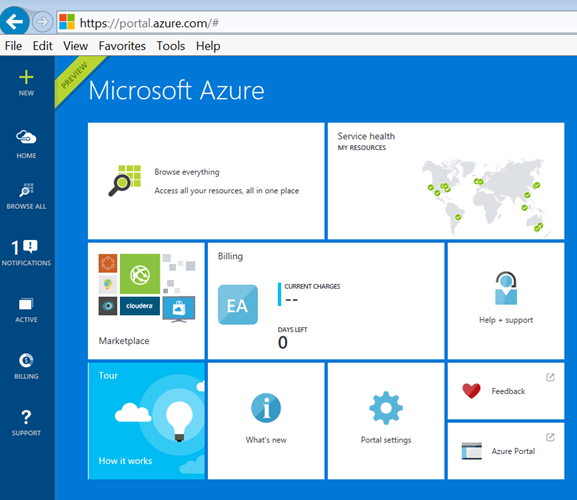
    paas_a

    My first step was to go to the “Create” item and select Data + Storage. As you can see, there are all sorts of options. For this post, let’s create a new database.
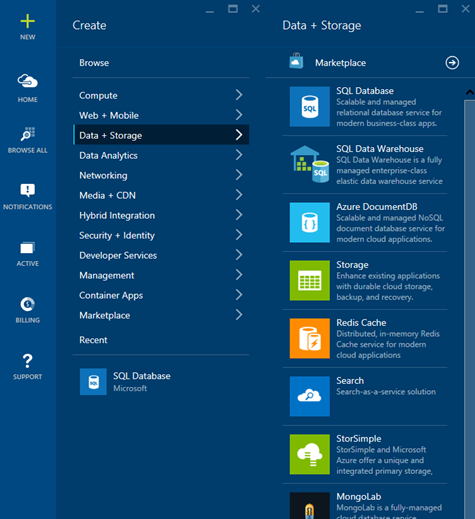
    paas_b

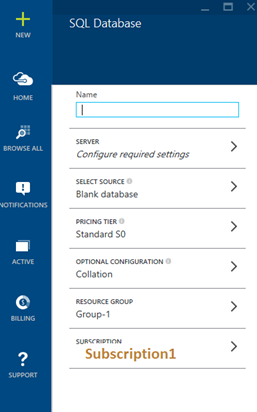
    Selecting “New SQL Database” gives me this set of options. The name is the big item here.
    paas_c

    Obviously I wasn’t very creative with the name:

    paas_d

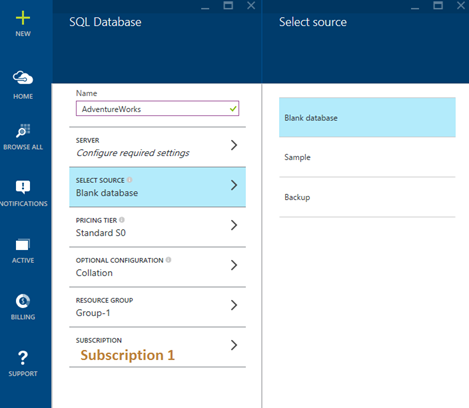
    Next I decided to make this one blank. I wanted to do some testing, so I selected that. It’s nice to be able to create a database from a backup, especially if you are recovering from a “Whoops” mistake.
    paas_e

    With that selected, I had this:

    paas_f

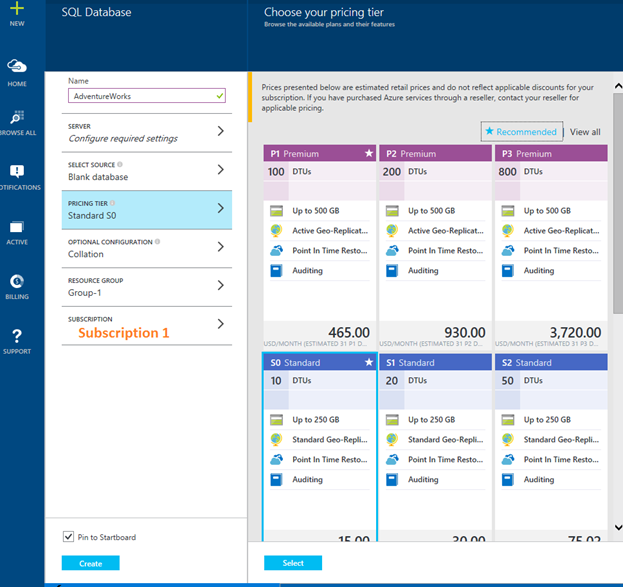
    Now on to the pricing tier. You can go crazy here.
    paas_g

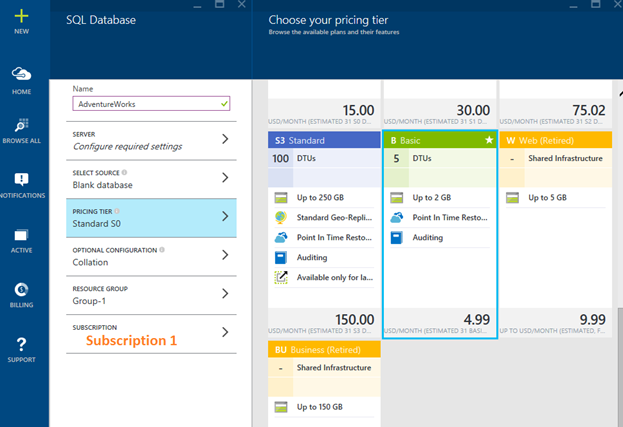
    I went down to a Basic level, since that’s what I really need. A basic, small database for testing. It’s $5/month, but I have credits from my MSDN subscription, so to date, I haven’t paid for any of my testing on the low tier systems.
    paas_h

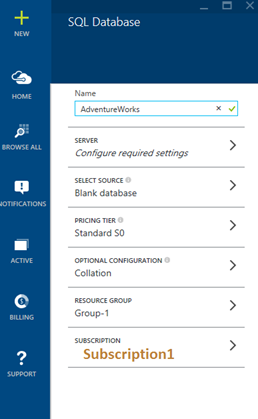
    At each stage, I can see what I’ve selected. This is a good way to get started, but if you needed to do these are any scale or repeatability, learn to do it through PoSh.
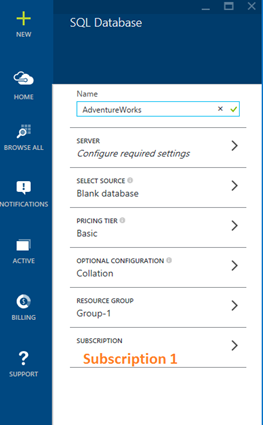
    paas_i

    My next step is to decide where this database lives. I need a server, which is strange to me. I want a database as a platform, but I think this is legacy for connection purposes, so I’ll make a new one.
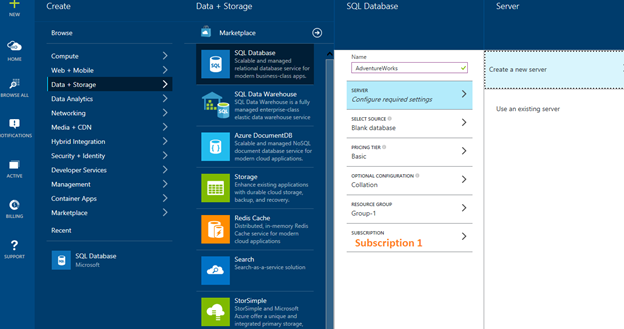
    paas_j

    I decided to make up some generic, boring name. I wasn’t feeling very creative today. I entered a password, but like with any password, I generated this in PasswordSafe first, then entered it here.

    <securityrant> Please use a password manager, use strong passwords, and use separate ones for services. Using the same one for all your Azure stuff and other accounts is a bad idea. </securityrant>
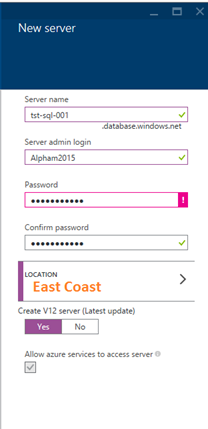
    paas_m

    Once I complete this, it’s listed under my SQL Database as the location for my data.

    paas_n

    Change your collation if you like, but since I’m a unilingual American, this is what I choose.

    paas_o

    I also need a resource group. I don’t have any, so I’ll need a new one.
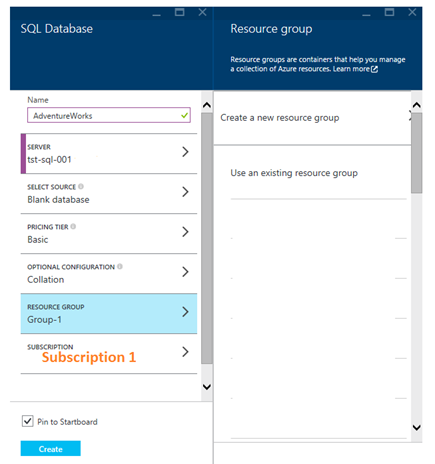
    paas_p

    Again, not creative. If you are doing this for something more than fooling around, spend 2 minutes thinking of some way you’ll classify stuff and use a name that makes sense.
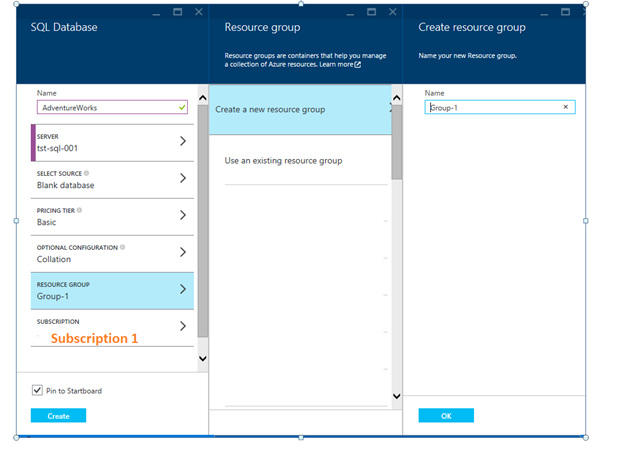
    paas_q

    I think we’re ready to go. Click “Create”.
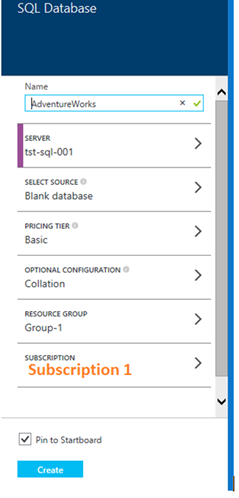
    paas_r

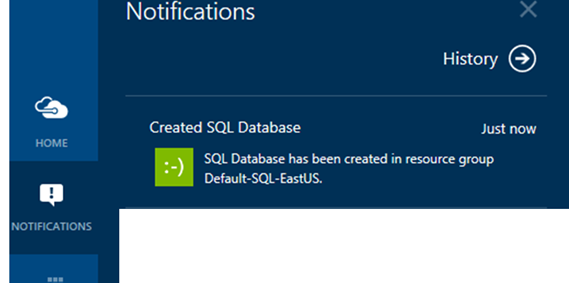
    Once it’s done, you’ll get a notification in the main portal. I do like that the notifications come up at the bottom, but they’re also annoying when they stack up. I’ll sometimes close them because I’m doing something else and not pay attention. However, that’s a “me” problem.paas_s
    I allowed this to create a pin for me, and I can easily see my database here. If you have lots of stuff, you won’t want pins for most of them.
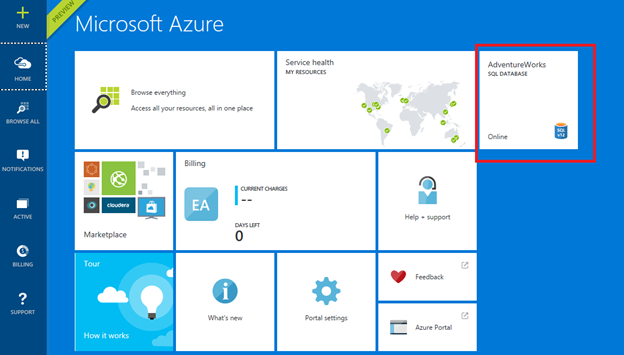
    paas_t

    If I select the database, I can see details.

    paas_u

    I can select “Settings” at the top and get more options. One of which is what I need. Note that the version is v12.
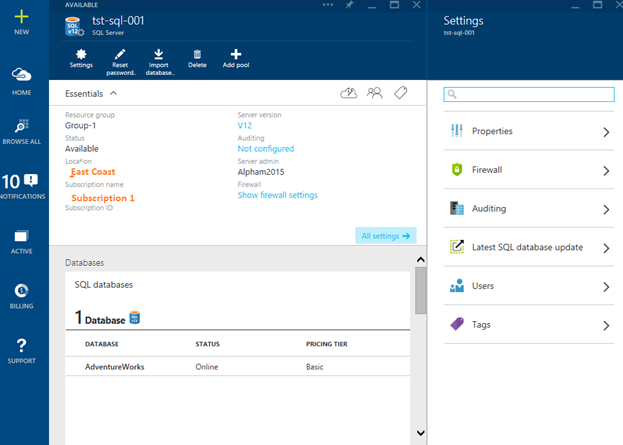
    paas_v

    The Properties item gives me the ability to change a few things.
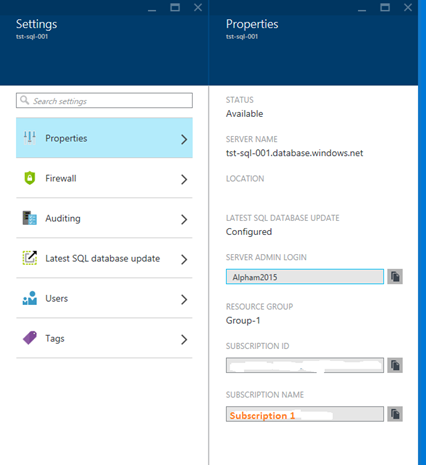
    paas_w

    The Firewall allows me to limit access to specific hosts.
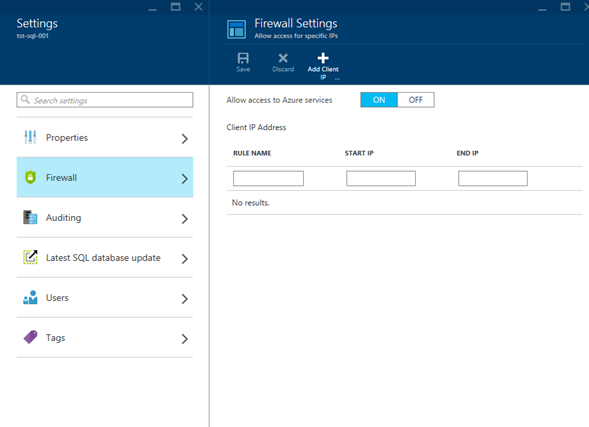
    paas_x

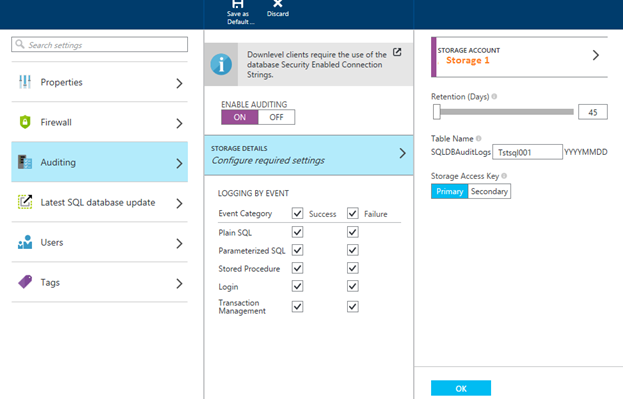
    Auditing has the ability to let you audit by events, success of failure
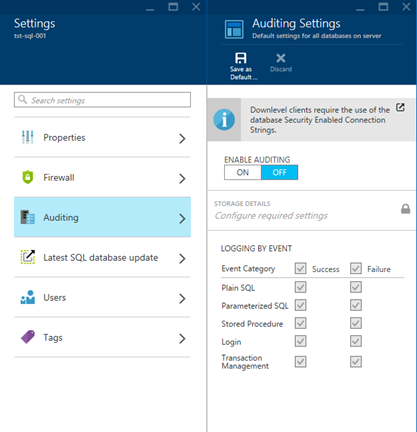
    paas_y

    If I want to audit things, I need a place where I can store the audit data. The cloud charges by everything, so be aware.
    paas_z

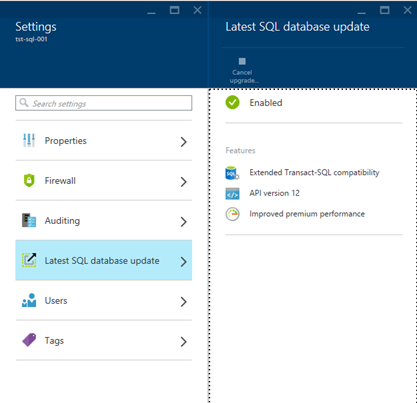
    The item I really care about is the “Latest SQL database update” item. When I pick that I can see the items that will be enabled.
    paas_zc

    If I pick Users and tags, I can specify accounts and labels, but that’s not really important for a test system. Really it’s me using it, so I’ll leave those alone.

    It’s really easy to set up, and worth practicing if you want some cloud experience. You can connect from SSMS and work with the system, which is really SQL Server, but if you have other stuff in the cloud, or an app, you can connect and see what is possible.

    Be aware, however, that you get charged for this stuff. Use your MSN subscription and keep an eye on usage. It’s pretty cheap, but no one wants an unexpected bill. Be especially careful about VMs. Those can really rack up charges.

    paas_zf


    SQLNewBlogger

    This one took awhile. After I completed the process, I immediately deleted the database and started to take screen shots as I went through the steps. The steps don’t take too long, but refreshes on the Portal are sometimes slow.

    This actually sat in my drafts folder as a single sentence (creating an Azure db) and a bunch of pictures. It took me about 20 minutes to load the pictures into Live Writer and then work my way through them, adding notes. I also created a new database as I was writing this to walk through the same steps again (and then deleted it).

    References

    None I used. I’ve done this before and didn’t bother to look around. The Portal does a good job of leading you along.
  • Create a SQL Azure Database–Old Portal

    Another post for me that is simple and hopefully serves as an example for people trying to get blogging as #SQLNewBloggers.

    I worry about beta software, so when I wanted to create a new Azure database, I stuck with the old portal. Call me nervous, but the new portal worries me at times. It works, but since the default is the old one, I often use that one.

    You can use either, but here I’ll show you how to create a database with the old (which will be gone someday) portal.  It’s simple and easy, and this only takes a few minutes.

    Creating a Database

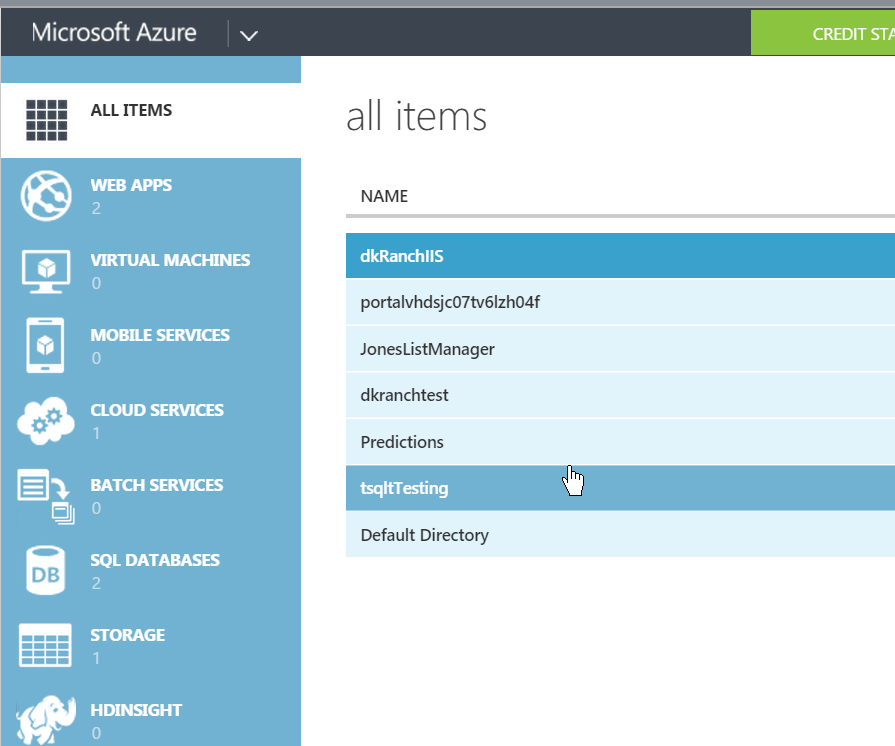
    Here’s the “old” portal. I wish it had a major version number, because that’s what it needs.

    2015-08-14 13_36_27-Movies & TV

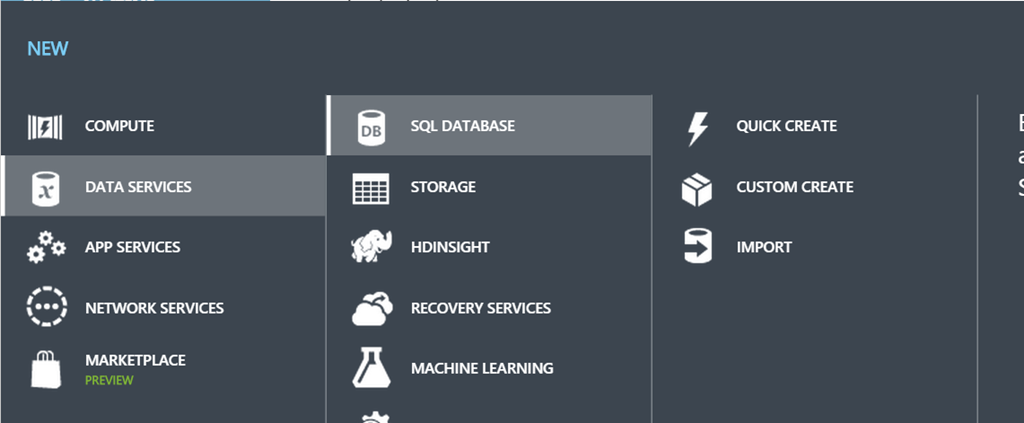
    I’ve got a few things running here. In the lower left corner is a “New” button, which I can pick. When I do, I choose Data Services and get this.

    2015-08-14 13_36_42-SQL Databases - Microsoft Azure

    I select SQL Database and then click “Custom.” You could click quick create, but I wanted to show more options. There aren’t a lot, but you can put in a few.

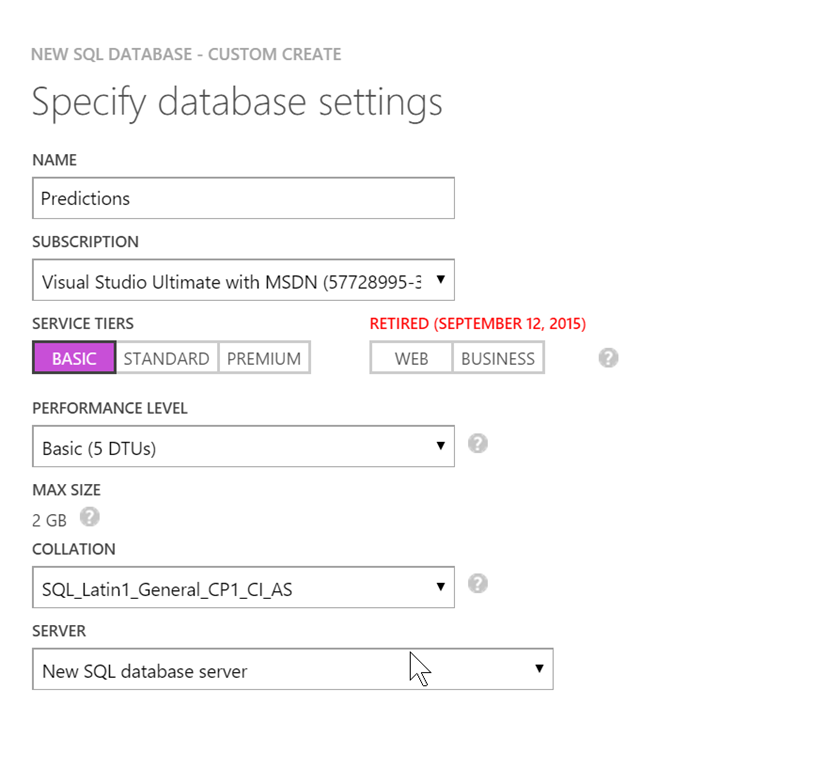
    You get the settings page. The first thing you need is a database name. You can pick your subscription as well as the size of the system. Be aware of charges when you pick sizes. S0 is not cheap.

    2015-08-14 12_21_27-SQL Databases - Microsoft Azure

    I had an existing server, so I used that, but the system will create one for you if you need it. This is really the name you connect to, so if you care, create one first and then use it here.

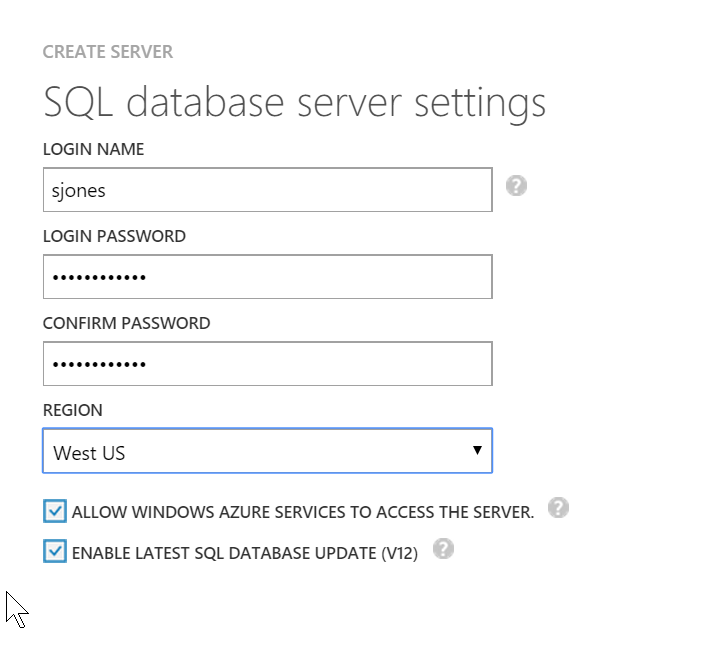
    The next screen is really for the main admin account. Enter a decent password and save it. You can reset this form the portal once it’s up, so don’t be too concerned, but build good habits. Don’t use the same password everywhere and use a password manager so you pick strong ones.

    2015-08-14 12_22_28-Store

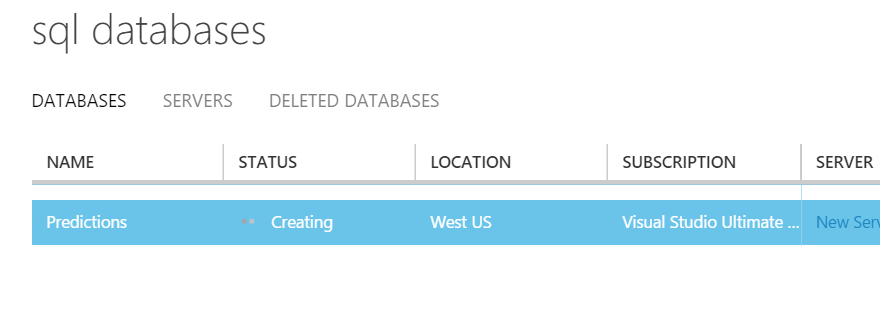
    Once that’s done, create the database. It will take a little time, but you’ll see a moving “Creating” item in the status. There’s no percentage, but I think it was about 3-4 minutes for me one afternoon.

    2015-08-14 12_22_39-SQL Databases - Microsoft Azure

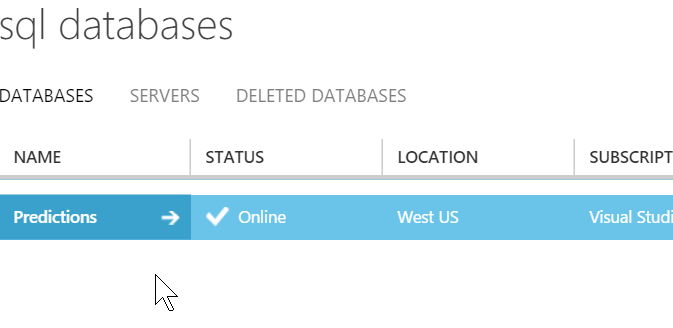
    Once it’s done, the database list will show you the database as online.

    2015-08-14 12_28_16-Store

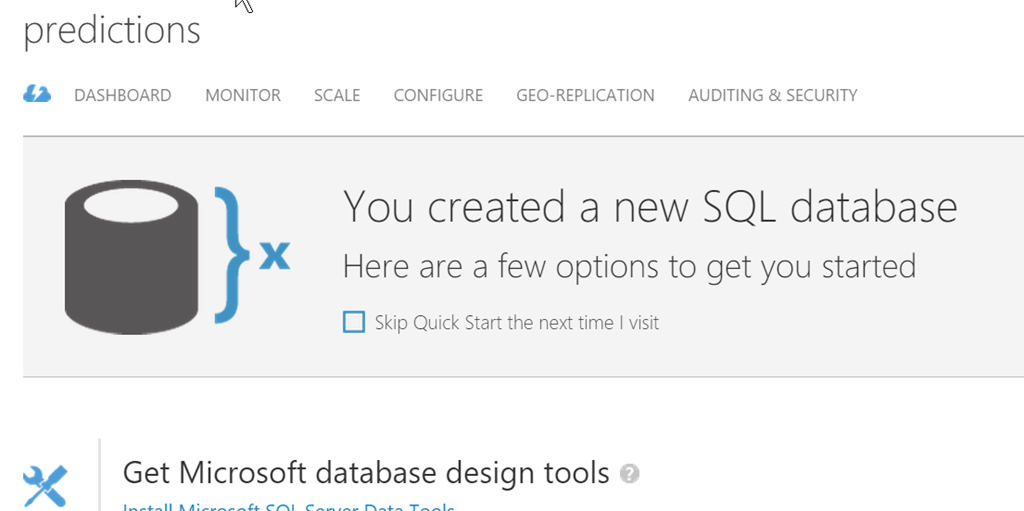
    If you go to the dashboard, you’ll see  a number of items listed.

    2015-08-14 12_28_47-Greenshot capture form

    Scrolling down, you might see the important item that you care about. How to connect. The server is listed, and if you’re using an app with ADO, PHP, OLEDB, etc, you can click the link and get the strings you will use.

    2015-08-14 12_29_01-SQL Databases - Microsoft Azure

    That’s it. Simple, easy, and ready for you to use.

    SQLNewBlogger

    I was actually working on something in the new portal and wanted to go back to the old portal to see how things worked. As I waited for the main screen to refresh, I though, hey, write a post.

    So I captured screen shots. It took maybe 10-15 minutes to type this up.

    References

    None used.

  • Your Portfolio

    I believe in managing and working on your career regularly. Early in my life, I randomly went from job to job. I looked for new opportunities when I lost old ones. I took the first job I was offered. I really let my career happen, as opposed to actively trying to move it in a direction that was best for me.

    One of the things I have suggested to many people is to build a blog and chronicle their career. This is a way to showcase your knowledge and allow a potential hiring manager to perform some due diligence on who you are.

    However the front page of your blog, with the last 5-10 posts you’ve written on some random topics might not be the image you want to present. Perhaps you can better show yourself off and control the image that you present to the world.

    I thought about this when I read a piece about a photographer assembling a portfolio of their work. I thought, this might be a good exercise for a technical person as well. Perhaps there are specific skills, posts, software that you want to show. Put the links on your resume or cover letter that build the impression you want to make. Maybe send someone to a landing page that contains the projects that you are more proud of.

    Certainly this might not work, and a manager might just randomly look through your blog, but I think it’s worth a bit of time, especially for a developer. Showcase the things you are most proud of, or perhaps most applicable to the positions you’re seeking.

    Above all, it might be a good chance to re-evaluate what you think of your career and relive some of your proud accomplishments.

    Steve Jones

    The Voice of the DBA Podcast

    Listen to the MP3 Audio ( 2.0MB) podcast or subscribe to the feed at iTunes and LibSyn. feed

  • SQL Saturday #403–Louisville

    This weekend I’ll be attending SQL Saturday #403 in Louisville, KY. If you’re in the area, think about taking a few hours out of your Saturday and coming to learn some SQL Server stuff. There’s a great schedule, with 6 tracks and 6 sessions per track.

    That’s 36 opportunities to improve your skills and career!

    I’ll be delivering two sessions during the event. I have my Branding Yourself for a Dream Job first thing in the morning at 8am. I know it’s early, but I like to give you some ideas for networking and planning your career for the rest of the day.

    My second session is Continuous Integration for Databases at 10:30. I’ll give you a taste of how to improve your software development process by using version control and a build server to verify and test your database code.

    There are some great afternoon sessions, but I likely won’t be there as I have family in town and want to spent a few hours with them. However come grab me in the morning and say “hi”. I really enjoy meeting the SQL Server community and look forward to another great SQL Saturday in Louisville.