Author: way0utwest

  • Normalizing Performance

    This week I ran across a post from Glenn Berry on hardware performance that I thought framed the concept of performance value well. In the post, Glenn talks about the latest TPC-E benchmark and the SQL Server performance values that vendors release. Glenn mentions that he always tries to divide out the numbers to provide better comparisons for the various hardware choices.

    That makes a lot of sense to me, as I think very few of us would be able to afford the top of the line systems on which vendors run the benchmarks. Most of us try to somehow compare the results in some way and then make our own decisions for our smaller systems. I don’t know many people that run 36 core machines, but I do know lots that need to decide which 4 or 8 core systems they should choose.

    The idea of normalizing performance to smaller loads is something we do often. We need to do this, because we often can’t get the same size, scale, or specifications in our test systems as we have in production. As much as we’d like to have them, resources are limited, and we do need to have some way of extrapolating the results in our development and test systems forward to production.

    Glenn has a way of doing this for CPUs, and while you might not agree with his method, at least he has an organized way of doing things, and then letting empirical results provide feedback on whether this works well. You should do the same thing, whether you’re trying to gauge disk or T-SQL speed. Develop a hypothesis (or read about how other do so)  for measuring your performance on a lesser, and then your primary system. Take time to run some test the same way, even if it’s single query performance on a production system while it’s live.

    You won’t get perfect results and scalability, but you’ll develop a few metrics that allow you to determine if your decisions in development will have severe negative impacts. There still might be problems, but you should eliminate more and more of these over time.

  • The Geek Costume

    It’s Halloween, and while many of you are too old to dress up in a costume, some of you may be planning on joining your kids for trick or treating, or even attending a party of some sort. It can be fun, though I have to admit that I’ve rarely dressed up as an adult. However if my kid asked me to, as Patton Oswalt’s did, I’d probably join in on the fun.

    There are not shortage of fictional heroes available for us as geeks. Many of us have admired characters from the science fiction, comic, fantasy, and other worlds. The various SQL Bits conferences have included some great themes, with steampunk this year and the medieval theme last year. There was even a Jedi sighting on Pass TV last year.

    This week, with the holiday in full swing tonight, I wanted to ask you a question on which costume you’d pick. Whether you have one ready or not for tonight answer this:

    Which costume would you choose to dress up in for an event?

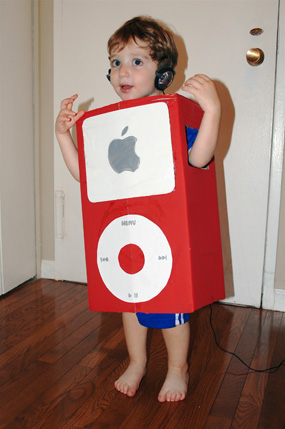
    It could be a character from fiction, or even a device of some sort. Maybe you want to use technology to build an awesome costume? While I’d be tempted by the Indiana Jones look, I think I might choose something in the Batman genre if I had to.

    Let us know this week what you’d pick, have a safe holiday tonight, and have a great weekend.

    Steve Jones

    The Voice of the DBA Podcast

    Listen to the MP3 Audio ( 1.9MB) podcast or subscribe to the feed at iTunes and LibSyn. 

  • Have You Been Hacked?

    I am glad that I don’t work in the retail industry as a DBA. It seems that I read about a new security breach every few weeks from some company. Home DepotTargetStaples, the list goes on and on, and includes more and more businesses that at least some of us use regularly. It’s gotten to the point where I expect that I’ll need to replace at least one of my cards every year because of some data loss issue.

    However it’s not just retail companies that are getting attacked. According to the Q3 Dambella report, companies are having dozens of devices infected daily and seeing increasing numbers of point-of-sale (POS) attacks all the time. Even those companies that don’t deal directly with credit cards and consumers are finding that they are targets of network attacks more and more. Some of these are merely vandalism, but many are intended as some sort of industrial espionage or data breach that can be used for profit.

    This is the other edge of the data professional’s sword. We have low unemployment and high salaries, but we are also becoming responsible and the target of blame when data is stolen. I really believe that theft detection is becoming more important for data professionals. We won’t be able to prevent attacks, but we surely need to know when they have occurred and be prepared to respond.

    I don’t know how our profession will move forward in the future to meet these needs. Perhaps we’ll become bonded like locksmiths. Perhaps we’ll be bound by insurance requirements to adhere to best practices. I’m not sure any of that will help increase security, but it might help reduce the liability that we may face.

    Steve Jones

    The Voice of the DBA Podcast

    Listen to the MP3 Audio ( 2.3MB) podcast or subscribe to the feed at iTunes and LibSyn.

  • Packing for Seattle

    This will be a long trip, and I’ve got some extra items to pack. A new hat

    argenis

    and, of course, my leggings for the Argenis Without Borders campaign (you can still donate).

    41U2h4mV8uL

    No, those aren’t my legs, and you’ll have to wait for pictures next week with me wearing these things.

    This is going to be an interesting trip. It’s 6 days for me, which is something I’ve done with one bag, but I’ve got to manage a few extra items, including some Red Gate swag and get the rainbow stuff, the kilt, and more ready. This might be one of those times I need to actually check a bag, though I’m going to try and avoid it.

    Maybe I’ll pack less and do some laundry, especially for workout clothes. 6 days of running gear won’t be pleasant to pack after it’s been used.