Author: way0utwest

  • Daily Coping 19 Aug 2020

    I started to add a daily coping tip to the SQLServerCentral newsletter and to the Community Circle, which is helping me deal with the issues in the world. I’m adding my responses for each day here.

    Today’s tip is to contact a friend to let them know you’re thinking of them.

    When the pandemic hit, and we locked down travel and most interactions, I felt isolated. I started these tips back in March. I can’t believe I’m still doing these after 4 months. I also cam surprised how much they help me.

    One of the ideas I had early on in March was to reach out to friends that I expected to see, but was suddenly separated from. I had it a point to reach out to 2-3 people every couple days and check on them. I picked up my phone, or Facebook, or email, and randomly hit a letter. I then picked a person and sent a “I’m fine, how are you doing” message. I was surprised how often this led to a 3-4 message exchange, taking up a few minutes of our day, before we both moved on.

    I still do that, albeit a bit less, but I’m randomly checking on people, especially a few people that I know have had some difficulties and are struggling. I’d encourage you to do the same.

  • Daily Coping 18 Aug 2020

    I started to add a daily coping tip to the SQLServerCentral newsletter and to the Community Circle, which is helping me deal with the issues in the world. I’m adding my responses for each day here.

    Today’s tip is to smile and be friendly, even when physical distancing.

    I’m not out too much, and often when I am in a public business, I am wearing a mask. While I’ve looked at a mirror when I smile with a mask, it can be hard to tell if that’s what I’m doing.

    However, I am at various outdoor places, without a mask. Whenever I am, I try hard to smile at more people. Wave, be cheerful, let them know there is still happiness in the world.

  • Location Data Privacy

    I caught a post from Bruce Schneier that references an article about a company collecting location data from numerous apps (WSJ, AndroidAuthority). This is legal, though the company has ties to the US government. As expected, there are people upset with this tracking, and we don’t have a list of applications.

    Apparently a company, Anomaly Six, provides some tracking code to app developers, whom are paid to include this in their apps. I wonder if this for specific companies or contractors. The former is bad, but if the latter, do the clients know their contractor is including this code? I suspect many software development tools wouldn’t necessarily flag this, if a client even bothered to review the code they were provided.

    This does seem creepy, and disturbing to have someone tracking your code. However, the data is supposedly anonymized, meaning that they know a phone was moved through “these” locations, but they don’t know who knows the phone. I assume the government could actually get a warrant and track your phone if you were suspected of some crime, so is this bad?

    I can’t quite think of why I dislike this, but I do. Perhaps this is to perform some sort of traffic analysis? Either physical movement of individuals or maybe the correlation of cell phone location with other data? Maybe they look for how often phones come into contact with each other? There are likely lots of uses for this anonymous data that could be useful to planners, but I also think there could be lots of more open ways of getting this data, such as asking for it from mobile providers.

    This feels like yet another place where the US is woefully disrespectful of data about humans. We seem to be way behind other countries, and it’s distressing to me. I hope that we start to enact a framework of legislation to give people more rights over this data, but I’m not sure that I will see that happen anytime soon.

    Steve Jones

  • Installing FlywayDB

    I’ve been working on a demo for a customer. Part of the demo uses a new Redgate product, but Flyway is a part of that. In testing a couple things, I realized that I didn’t have FlywayDB installed on  this new machine, so I did a quick walkthrough.

    Installation

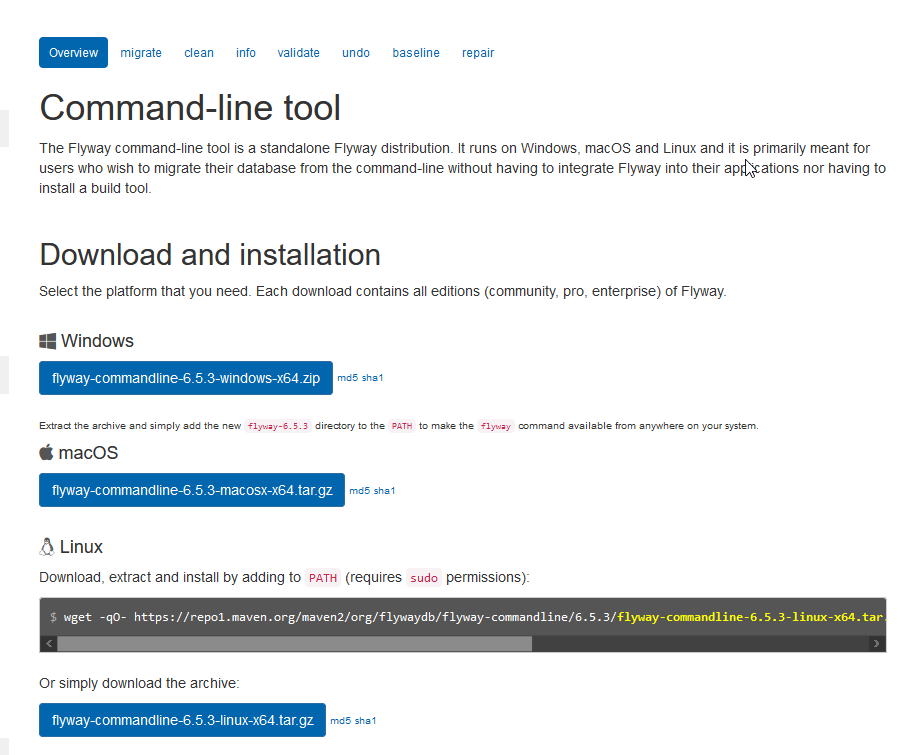
    This is actually simple, or fairly simple. First, download the .zip file from Flyway.
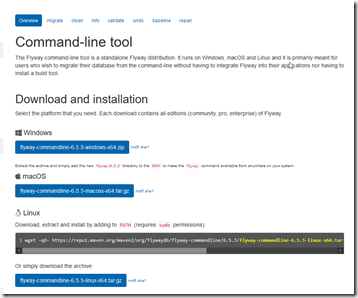
    2020-08-06 10_41_58-Command-line - Command-line tool - Flyway by Redgate • Database Migrations Made

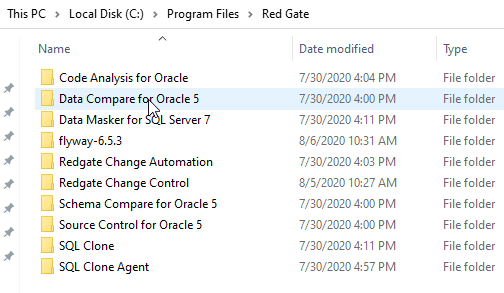
    Next, put this somewhere. For me, I wanted to be organized, so I put this in C:\Program Files\Red Gate. This did require some UAC approval to unzip the download into this spot.
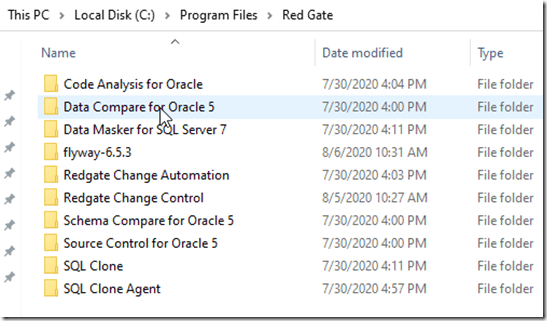
    2020-08-07 16_38_20-Red Gate 

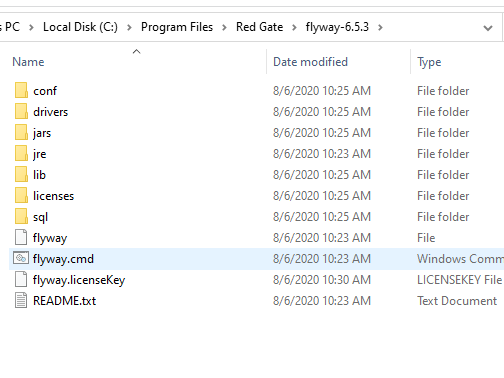
    Once I did this, I saw the flyway.cmd file in the subfolder. The instructions note I need to add this to my path.
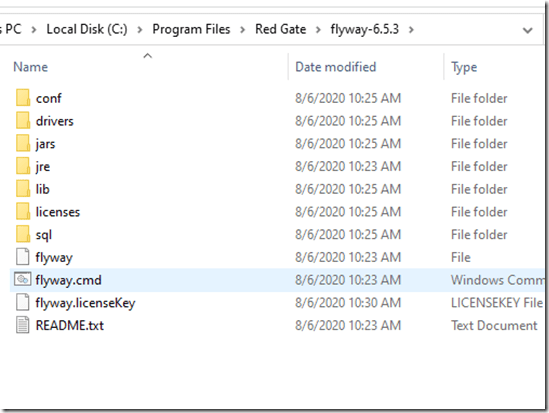
    2020-08-07 16_38_48-flyway-6.5.3

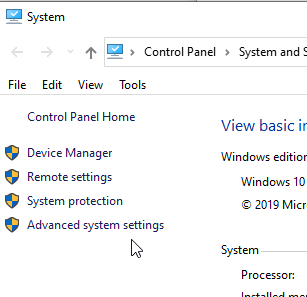
    There are different ways to add things to the path, but the quickest for me on Windows 10, is to get to the properties of “This PC”. There is an advanced system settings here.
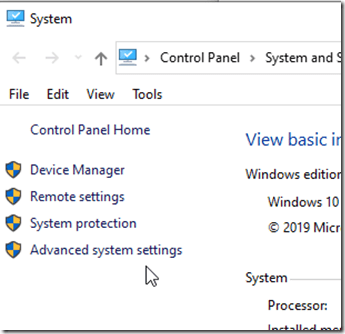
    2020-08-07 16_39_24-System

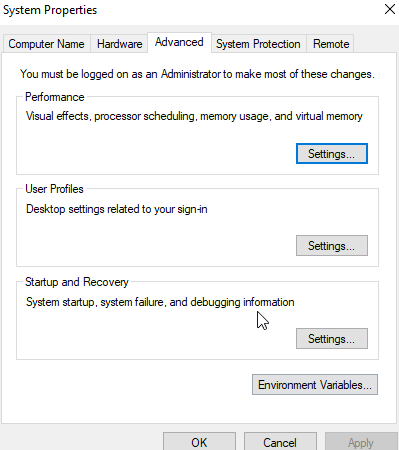
    This let’s me see properties, including the “Environment Variables” at the bottom.
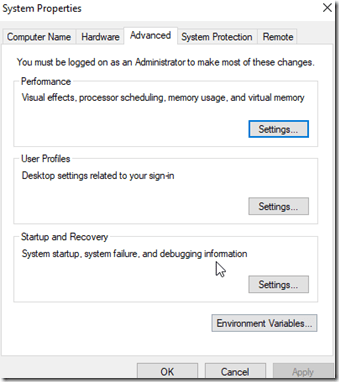
    2020-08-07 16_39_30-System Properties

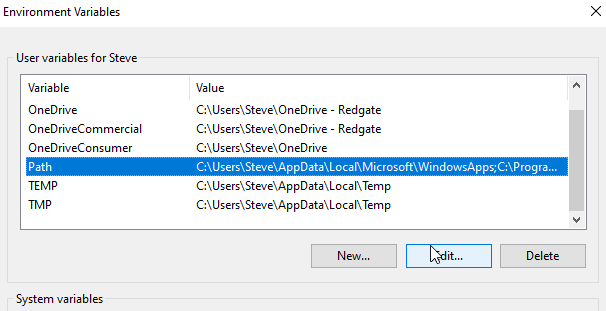
    Clicking this shows me the various system variables, including the PATH.
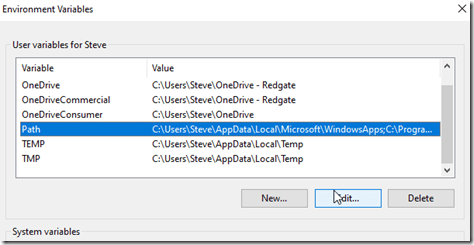
    2020-08-07 16_39_41-Environment Variables

    If I edit this, I get a standard dialog where I can add the Flyway folder.

    Once done, I can test this with “flyway info” at a command prompt.


    One note, if I have a command prompt open, I need to restart it to get the new path.

    Licensing Flyway

    This is an interesting item. I didn’t directly find an answer in the quick start. Most people probably use the Community edition, so they don’t need a key. I, however, wanted to play with the Enterprise version. I got a key from Redgate, and then set the environment variable. As you can see below, this isn’t enough. I got an error that I didn’t have a license.

    2020-08-06 10_37_08-cmd

    I wasn’t sure if flyway.licenseKey is a file or a setting. I looked around a bit, and on the download and install page, I found an item doe the Configuration. This mentions that the first place Flyway looks is the install folder/conf/flyway.conf. Aha!

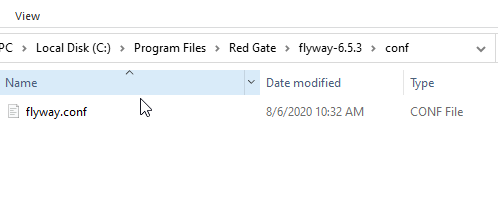
    I looked in the conf folder under my Flyway install. Under here is the flyway.conf file, which is a key-value configuration file. It reminds me of the old  Windows 3.1 .ini files.
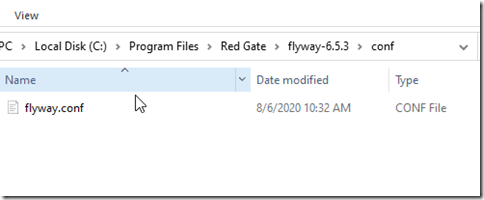
    2020-08-06 10_34_25-conf

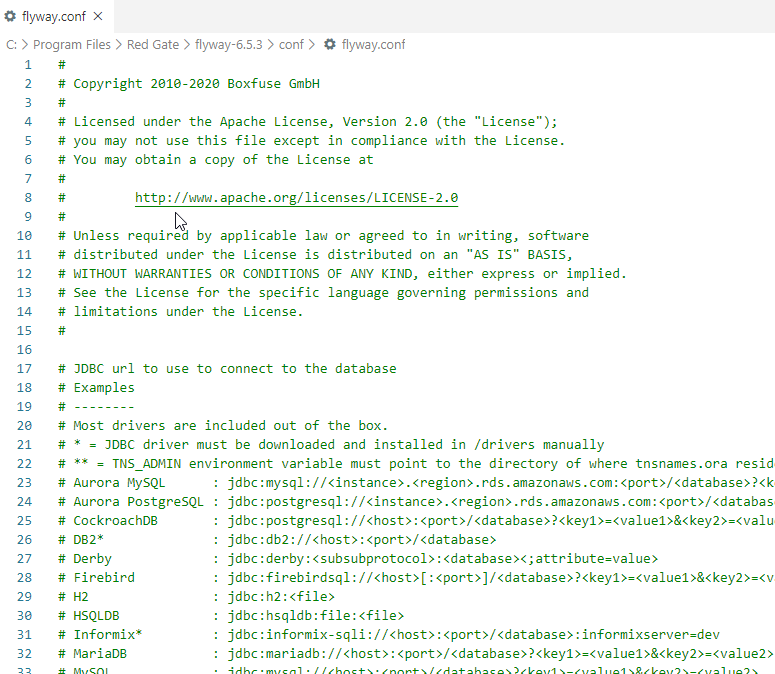
    When I open this, I see a lot of values. These are mostly commented out with a #. If you need to enable a value, remove the comment at the start of the line.
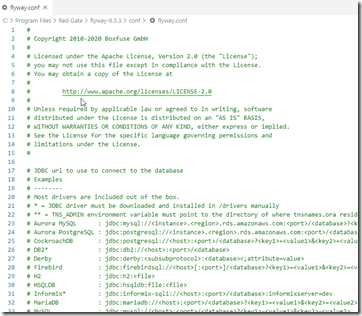
    2020-08-06 10_35_55-flyway.conf - Visual Studio Code

    Scrolling to the bottom shows me that the last entry is for the license key. I removed the comment character (# ) and then pasted in my key.
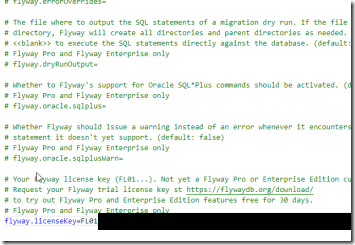
    2020-08-06 10_39_08-flyway.conf - Visual Studio Code

    The next time I ran flyway info I see this:

    2020-08-12 14_06_29-cmd

    No license message, though obviously I haven’t set up the connections yet.

    That gets me started, and I know things are installed. Now I need to start using it, which is something for another post.