Author: way0utwest

  • Server Side SSMS

    SSMS is a large monolithic application built on the Visual Studio shell. It’s slow to start, heavyweight, resource intensive, and can be a resource hog. It’s also indispensable for many SQL Server DBAs.

    I grew up using various SQL Server tools. We had isql for Windows early on and then Enteprise Manager before SQL Server Management Studio (SSMS) was built. Now we also have Azure Data Studio(ADS), though arguably for many administrators and DBAs, ADS doesn’t have enough capabilities to supplant SSMS. That may change, but for now I find myself sticking with SSMS for most of the code writing I want to do.

    Many people install SMSS on the database server itself, and many other people refuse to do so. Most experts agree that running SSMS on the server itself is a bad idea, though that doesn’t stop some people from doing so on a regular basis. While I agree with Andy Mallon that we should install SQL Server on a server, I also agree that we shouldn’t use it.

    That seems counter intuitive doesn’t it? Install it but not use it? Why install it in the first place?

    When there is a crisis, you will want this tool. It’s familiar, it has all the wizards, dialog boxes, and tools that many solutions will describe when you frantically search for a solution to a problem. It’s also the best way to get something done if you have to connect from a remote location. Even if your laptop connects, sometimes networking issues, long query times, and more mean you will want local execution of queries, not remote calls from SSMS on a workstation. After all, if something happens to your client, you don’t want your query to rollback.

    Andy has a good list of reasons, as well as a few tips to avoid running SSMS on the server. For me, I’d recommend a dedicated jump box, server or workstation, where users can RDP to this dedicated box and run SSMS from there. Why? It’s becoming more common as organizations try to implement better security. They often do this by limiting access to production from most workstations. In fact, for some clients, that’s the only way they can connect to production. I expect that to become more prevalent than not in the future, so I’d suggest you get comfortable with another solution now.

    Steve Jones

    Listen to the podcast at Libsyn, Stitcher or iTunes.
  • Daily Coping 21 Apr 2020

    I’ve started to add a daily coping tip to the SQLServerCentral newsletter, which is helping me deal with the issues in the world. I’m adding my responses for each day here.

    Today’s Tip is: Connect with nature. Breathe and notice life continuing.

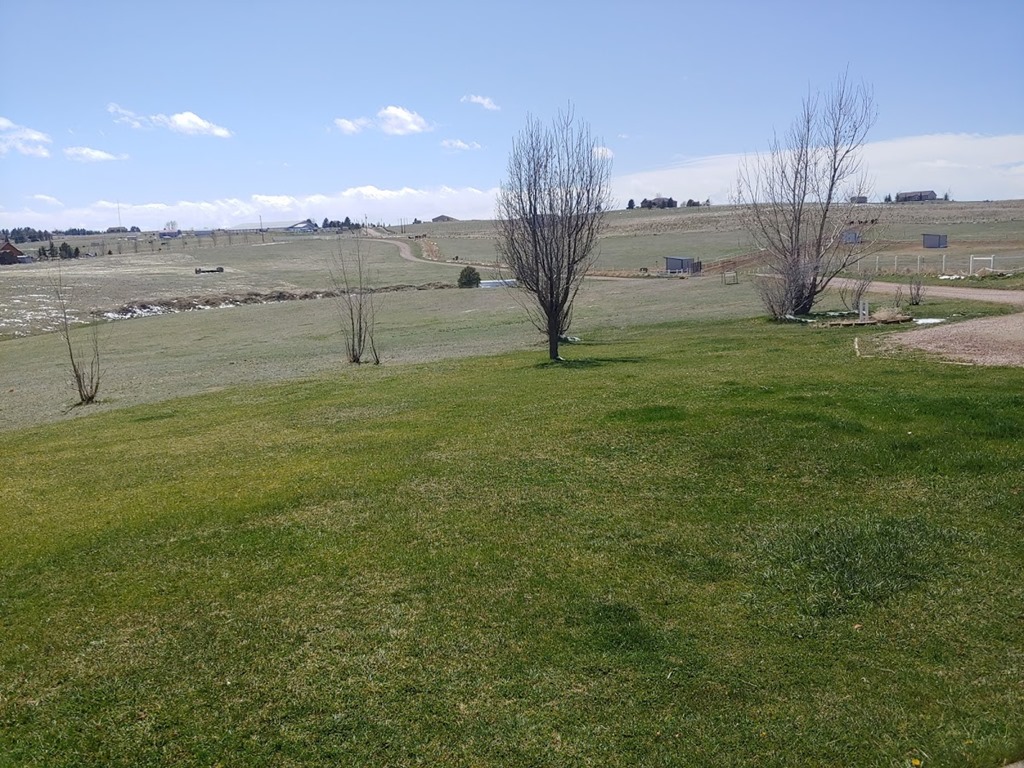
    That’s an easy one for me. I live on a ranch, and get outside regularly with the dogs or helping with horses. Lately we’ve been rehabbing a dog after surgery, so I get out there a few times a day and walk her around, trying to build muscle.

    As I do, I make it a point to appreciate the clean, fresh air, to look at the amazing sky and wonderful world. I’m blessed and lucky I get to live in a beautiful place. Here are two consecutive days in CO recently.

    20200414_141047_HDR

    20200416_065318

    I also appreciate the wildlife around. I stopped on the way home to snap this shot of my neighbor’s property since I could see mine in the background to the right.

    20200411_193714

    Nature and animals make our lives richer and I try to remember that.

  • T-SQL Tuesday Live 21 Apr 2020

    I’ll be hosting T-SQL Tuesday live again today, at 1:00pm MDT/3:00pmEDT/8:00pmGMT

    If you’re interested in taking a break, chatting, touching base with others, bring your comments, questions, thoughts, and smile to our meeting.

    Details

    • Date: 21 Apr 2020
    • Time: 13:00MDT/15:00EDT/19:00UTC/20:00BST (1 hour)
    • Meeting: (add a 6 to the end) https://redgate.zoom.us/j/9267203757
    • Password: Cast this as in int –  0x0009DD32 (you should get a number starting with 6 and ending with 0.
    • Issues: DM me on Twitter @way0utwest
  • How Much AI Do We Need?

    I like to cook and bake. The act of putting something together relaxes me, and I’ve certainly had plenty of time in 2020 to do this. In fact, I’ve been doing so much that my wife and daughter ordered me a new stand mixer while I was making them cookies this past weekend. They thought it would make it easier for me to continue to prepare more meals when life returns to some sort of normalcy.

    I’m not a chef, and I certainly struggle through some recipes, but I enjoy the time working through the act of assembling something. I also struggle with fitting in the time to prepare things around an otherwise busy life. When I saw this article on smart appliances, I stopped to think that some of these might be nice, but perhaps they’re also reduce some of the skills I’ve built and perhaps make my time in the kitchen less enjoyable. Would I become dependent on them, entitled, or even less excited about the task of cooking?

    It’s something I hadn’t considered too often, especially in other areas where AI and “smart” items are becoming more commonplace. I think some of advances in the data platform are good, and certainly some of the cloud services handle tasks that are fairly simple and they do them well. Backups happening in many of the PaaS services are mostly something we don’t need to configure or worry about, though we ought to be sure we know how to actually perform a restore. I have high hopes for some of the index automation and other changes, though there is a ways to go.

    Is the use of more AI in systems better? In some sense I think this can help us cope with busier and more complex lives, and allow us time to focus on the things we want to focus on. At the same time, I suspect these systems aren’t as mature as the marketing suggests, and the options certainly command a premium, which is something that might benefit the vendor more than the consumer.

    Like any advance, this could be helpful or hurtful for any of us. I like to assemble things from scratch more often than not, and I’m not sure if I think the AI gadgetry is something I’d enjoy. For now, I’m taking a small step, with a little mechanical assistance that might let me less time on the physical activity of combining things and more time planning my next steps or chatting with the audience that is often sitting at the counter.

    Steve Jones

    Listen to the podcast at Libsyn, Stitcher or iTunes.