Author: way0utwest

  • How Did I Do?

    I made a number of predictions for the opening keynote at the PASS Summit. I wrote the predictions a week before the event, making my own guesses about what might be revealed. I was busy in pre-conference sessions on Monday and Tuesday, so I had to write something well in advance of the event. I was flying home yesterday, so I had no chance to watch the keynote until later, so this is a look back after catching up Wednesday evening at home.

    How did I do?

    With the Ignite conference taking place this week, I had guessed that SQL Server 2019 would release there and then be a part of the Summit keynote. I was right. On Monday, as I was taking a break during the SQL in the City Summit, I saw that SQL Server 2019 had been released. A milestone, and perhaps one that I think changes the data platform. It’s an inflection point, and I agree with this tweet from Distinguished Engineer, Slava Oks. Rohan Kumar did announce it at PASS as well, so maybe half credit here?

    I didn’t mention Hyperscale yesterday, as I wasn’t sure what I knew as NDA and what was possible. The demonstration of Azure Arc, and Hyperscale for PostgreSQL, is pretty cool. While I used to think Hyperscale was only for the largest of the large databases, I now think that many smaller, 2-4TB systems (I can’t believe I think of that as small), might consider moving to Hyperscale and preparing for future growth into the low single digits of TBs. BTW, Azure Arc is amazing. I knew about it previously, but didn’t expect it this year. I did mention Azure Stack deploying on premise, and I think the Azure Arc covers this, so 1 1/2 right.

    Azure Synapse was something I didn’t expect. I have been looking at Big Data Clusters as a game changer with the relational platform. Synapse combines the Azure SQL Data Warehouse and Data Lakes into a platform. Since these were both the places where we first got compute separated from storage, this makes sense. Both of these platforms seemed similar to me, so combining them and letting customers drop structured and unstructured data.

    The Edge is a bigger deal than I thought. This was mentioned as a private preview during Build, and I should have guessed this would move to public preview. This as one of those areas that I haven’t been as focused on and wasn’t sure about information I’ve gotten under NDA, so I didn’t include this. Certainly a miss here, but I do think the demo in the keynote with Zeiss and making decisions from sensor data is something more organizations will do. Sensors generate too much data and trying to move all that across a network to the cloud doesn’t make sense. Train models and let some low power SQL Server Edge engine make a few decisions without moving data.

    There was more in the keynote, and it’s worth watching. If nothing else, I think both the opening Ignite keynote and the opening Summit keynote are inspiring for us as data professionals. You can dream about possibilities and truly see that data is an important asset that Microsoft is empowering us to make better decisions about based on analytics.

    Steve Jones

    Listen to the podcast at Libsyn, Stitcher or iTunes.
  • Voting for the PASS Board

    Voting is open for the PASS Board, as of yesterday (Nov 6). The candidate page is up, and there are 6 amazing candidates for 3 slots. They are:

    I’ve linked to their applications, so you can read what they’ve written about their candidacy. I know all of these individuals, and I think they would all do well. In other years, I’d likely have voted for all of them against others.

    I can only choose 3, and it was a hard choice for me. This was really one of the best total groups of candidates I’ve seen.

    I am endorsing, and I have voted for these candidates:

      • Hamish Watson
      • Johan
        Ludvig Brattås
      • Melody
        Zacharias

    You might notice a trend here in that I’ve picked all three non US candidates. This was a factor for me because I do think PASS has been too North American focused, with less appreciation and understanding of the rest of the world. I also think these are the individuals least influenced by the way the organization has been run in the past.

    They talk about diversity and transparency and communication, which ultimately are very important to me. I don’t think that PASS has done well with any of these in the past, though certainly they have made strides at times.

    I am hopeful these individuals can find ways to differently influence the board to be more open and transparent, to be more of a collaborative group with the community than bit aloof about ideas, directions, proposals, and disclosure.

    This in no way implies Chris, Mindy, or William aren’t qualified or would not do a great job. I think they would, but I had to make choices, and those were mine.

    Please read all the applications, think about what you would like from the organization, and then vote.


  • Powerhell Notebooks in ADS–A Minor Issue

    I heard about the addition of PoSh as a kernel for notebooks in Azure Data Studio. This is in the November 2019 release, and you can download/upgrade today to get the feature. I started ADS, let it download the update, and then ran the install.

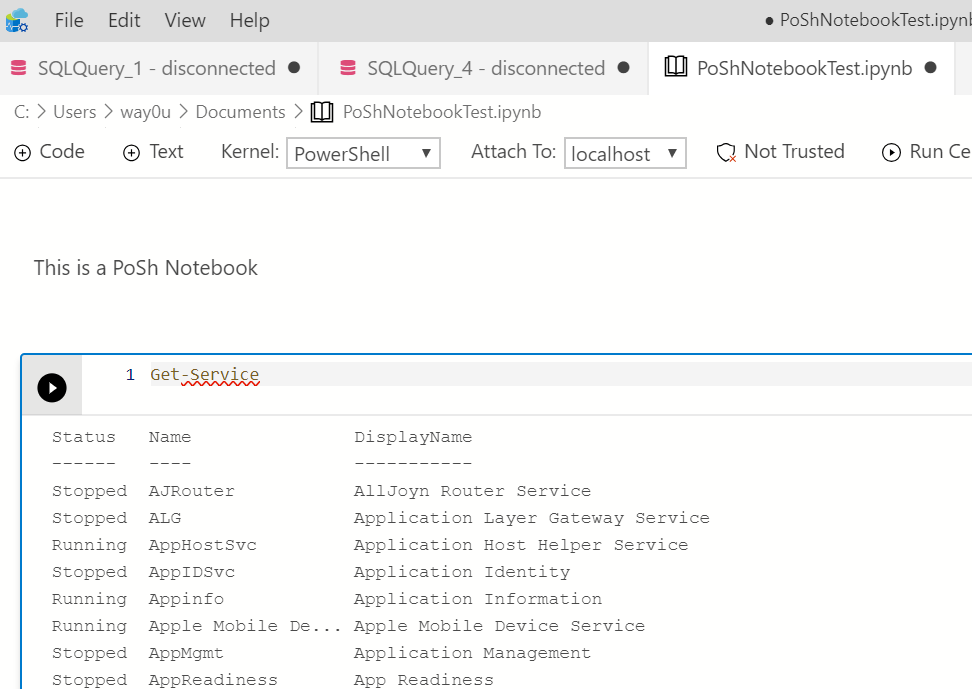
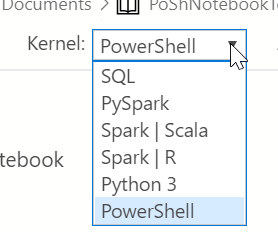
    As soon as ADS installed, I created a new notebook, and added a code cell. I saw Powershell in the kernel dropdown. Sweet!

    2019-11-05 15_32_11-● PoShNotebookTest.ipynb - Azure Data Studio

    I selected this dropdown and saw this:

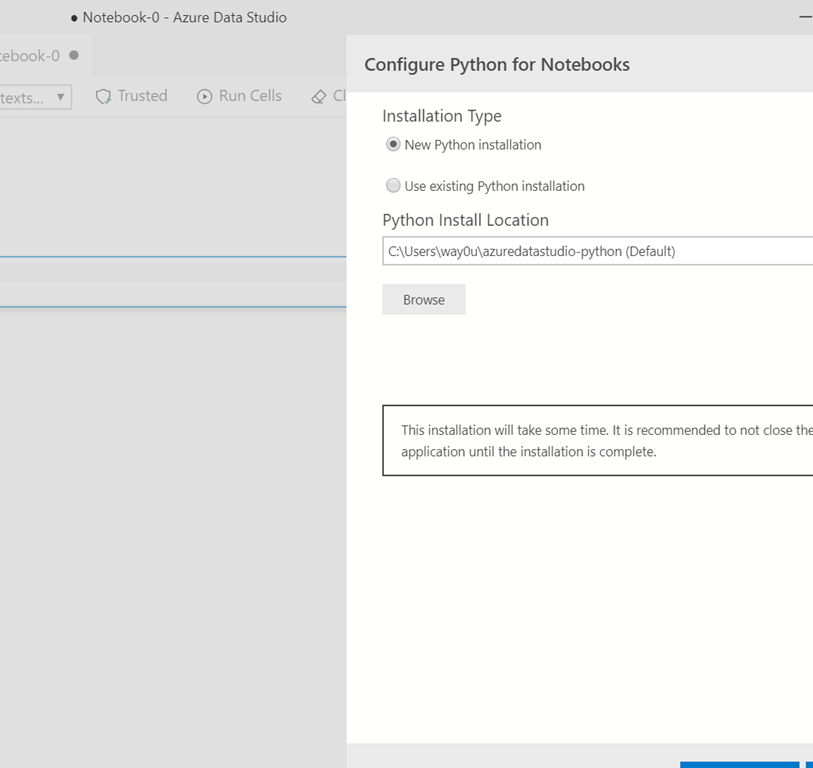
    2019-11-05 15_05_22-● Notebook-0 - Azure Data Studio

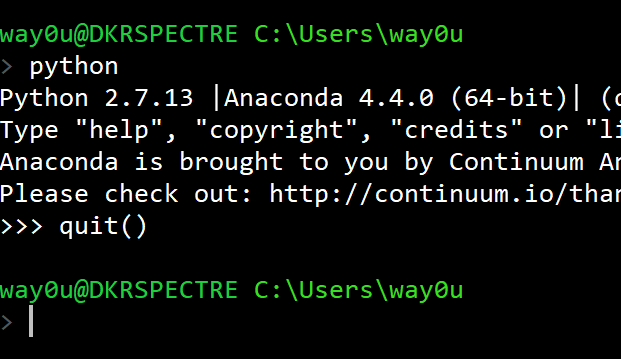
    Hmmm, maybe I picked the wrong one. I tried this again and got the same result. I checked, and I have Python installed, but apparently not a version compatible with ADS.

    2019-11-05 15_33_37-cmd

    I restarted ADS. Same thing.

    I restarted my computer; same thing. I saved the notebook, added other cells, did a few things and got the same result.

    At this point, I suspected that the developers of ADS had all installed Python as part of their core image for ADS. So I clicked “install Python”. Once this completed, which took awhile. Once this was complete, and the kernels reloaded, PowerShell notebooks work.

    2019-11-05 15_36_15-● PoShNotebookTest.ipynb - Azure Data Studio

    Aaron Nelson published a post about this, with more details on how to get the kernel working. To me, this is a bug, as the message should tell me Python is needed for the PoSh kernel.

  • Republish: Logging Tables

    My second pre-con at the PASS Summit, so I’m re-running Logging Tables. Tomorrow, I’ll be back.