Category: Blog

  • Voting for the PASS Board

    Voting is open for the PASS Board, as of yesterday (Nov 6). The candidate page is up, and there are 6 amazing candidates for 3 slots. They are:

    I’ve linked to their applications, so you can read what they’ve written about their candidacy. I know all of these individuals, and I think they would all do well. In other years, I’d likely have voted for all of them against others.

    I can only choose 3, and it was a hard choice for me. This was really one of the best total groups of candidates I’ve seen.

    I am endorsing, and I have voted for these candidates:

      • Hamish Watson
      • Johan
        Ludvig Brattås
      • Melody
        Zacharias

    You might notice a trend here in that I’ve picked all three non US candidates. This was a factor for me because I do think PASS has been too North American focused, with less appreciation and understanding of the rest of the world. I also think these are the individuals least influenced by the way the organization has been run in the past.

    They talk about diversity and transparency and communication, which ultimately are very important to me. I don’t think that PASS has done well with any of these in the past, though certainly they have made strides at times.

    I am hopeful these individuals can find ways to differently influence the board to be more open and transparent, to be more of a collaborative group with the community than bit aloof about ideas, directions, proposals, and disclosure.

    This in no way implies Chris, Mindy, or William aren’t qualified or would not do a great job. I think they would, but I had to make choices, and those were mine.

    Please read all the applications, think about what you would like from the organization, and then vote.
     

  • Powerhell Notebooks in ADS–A Minor Issue

    I heard about the addition of PoSh as a kernel for notebooks in Azure Data Studio. This is in the November 2019 release, and you can download/upgrade today to get the feature. I started ADS, let it download the update, and then ran the install.

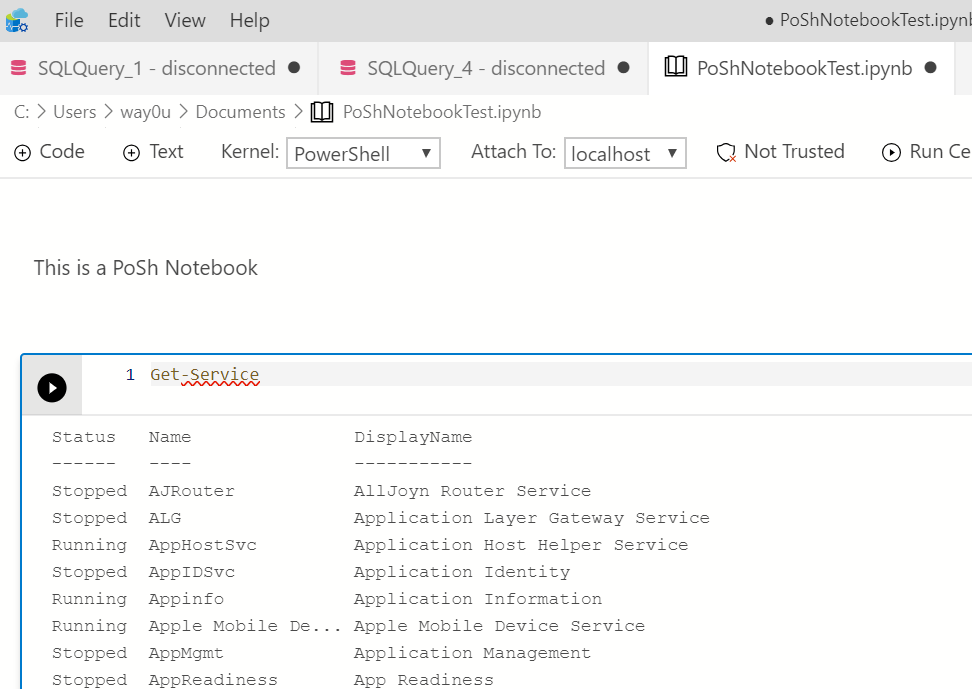
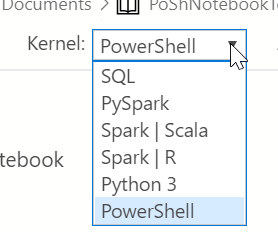
    As soon as ADS installed, I created a new notebook, and added a code cell. I saw Powershell in the kernel dropdown. Sweet!

    2019-11-05 15_32_11-● PoShNotebookTest.ipynb - Azure Data Studio

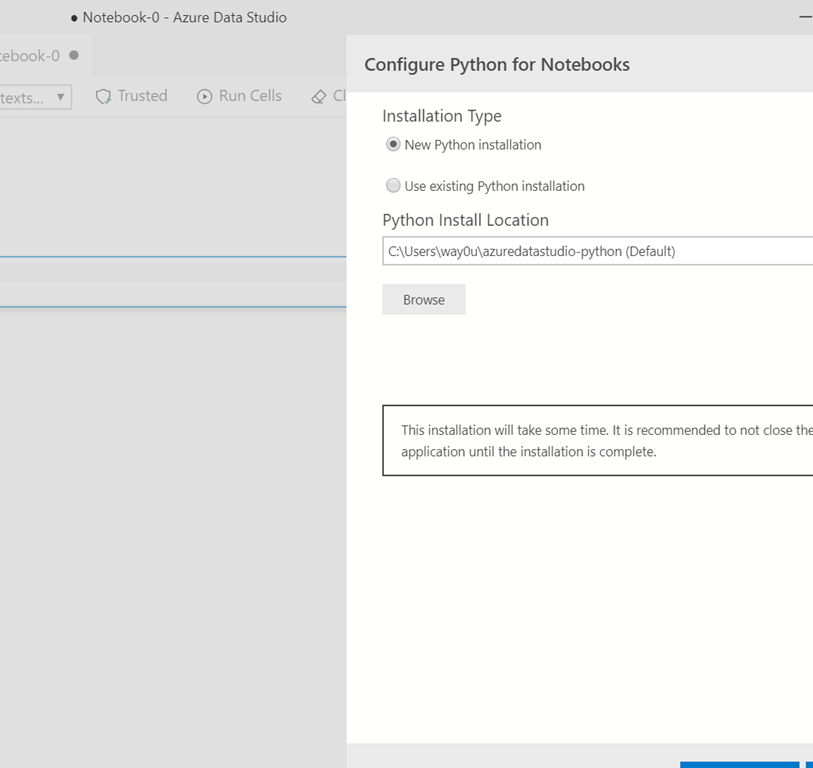
    I selected this dropdown and saw this:

    2019-11-05 15_05_22-● Notebook-0 - Azure Data Studio

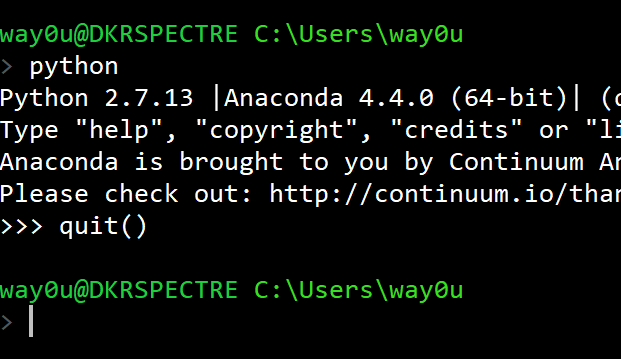
    Hmmm, maybe I picked the wrong one. I tried this again and got the same result. I checked, and I have Python installed, but apparently not a version compatible with ADS.

    2019-11-05 15_33_37-cmd

    I restarted ADS. Same thing.

    I restarted my computer; same thing. I saved the notebook, added other cells, did a few things and got the same result.

    At this point, I suspected that the developers of ADS had all installed Python as part of their core image for ADS. So I clicked “install Python”. Once this completed, which took awhile. Once this was complete, and the kernels reloaded, PowerShell notebooks work.

    2019-11-05 15_36_15-● PoShNotebookTest.ipynb - Azure Data Studio

    Aaron Nelson published a post about this, with more details on how to get the kernel working. To me, this is a bug, as the message should tell me Python is needed for the PoSh kernel.

  • Teams in SQL Clone and SQL Provision

    SQL Clone v4 is out, and the big change is the addition of the Teams feature. I guess technically this is just for SQL Clone, which is included in SQL Provision, but hey, I need the Google juice with both product names.

    If you look under the permissions menu item, you see any specific permissions you’ve created, but there’s also a Teams tab at the top.

    2019-10-21 15_46_48-Microsoft Edge

    If you click on this, you will see the basic overview, and the chance to start using Teams instead of individual permissions. This is designed to let you group images and instances for groups of users, rather than the gross permissions at the admin/image/clone level.

    2019-10-21 15_46_59-Microsoft Edge

    There is an article that describes and an overview of Teams and another that talks through the DevOps Self-Service with Teams in our Product Learning section of the Redgate Hub. These will help you get started implementing the feature.

    Personally I like the matrix approach to security of using groups that have permissions to objects and then putting users, or groups, in the group to handle access. It worked well for me in SQL Server and in AD.

    Teams does this with a three phase approach, letting you limit the source (images), the target (instances) and the user in a matrix, which really simplifies the view that any particular user has of the clone environment. I like the blade we have that shows this.

    2019-10-21 15_50_06-Teams in SQL Clone and SQL Provision - Open Live Writer

    Once you start to get used to building images and deploying clones, there can be a lot of moving parts in a semi-mature environment, which can be confusing and problematic for developers that just need databases. Limiting the number of images or instances that a group can see will make it easier for them to just get the databases they should.

    What’s more, I could use this with masked and unmasked images for separate teams, allowing developers to use one set of data and customer service or QA to have another. With colors to designate teams, this makes things easier for admins.

    Ultimately the matrix approach is flexible, but also confusing, so limit the number of teams to what you need and try not to be too granular. That ensures new admins can understand the configuration and limits the chances you’ll accidentally grant too many rights to a user.

    Give SQL Provision (SQL Clone + Data Masker) a try today if you are looking for ways to quickly provision large scale databases for development.

  • Good Resume Examples

    I talk about resumes, enhancing your career, and finding your dream job at various events. This might be one of my most popular talks, and I’ve been lucky enough to give it to many audience across the years. Quite a few people have taken my advice and used it to further your careers, and I’m always pleased when I hear from them.

    I don’t give any great advice, but I do try to get people to think about how they present themselves. Your resume (or CV) is often the first way that you present yourself to a potential hiring person. Even if you’ve used your network and someone gives a recommendation for you, your resume is the first way the interviewer sees you.

    In the Brent Ozar newsletter a few weeks back, he had a link to a “how to write a resume” guide. There are a lot of tips, but I agree with Brent that the layout in a number of these samples is really nice. At least, it’s well spread out and easy to read from an organizational standpoint.

    A couple things I’d disagree on. First, be careful of colors. Personally, in the “reverse chronological resume format” example, the blue is hard for me to see, even on my 26” monitor. Be careful about colors that don’t provide enough contrast. Plenty of people hiring are my age.

    The other thing I disagree about is the skills being too prominent at the top. Remember, I won’t spent a lot of time looking at the resume, so be careful of drawing too much attention away from your summary or work experience. I usually search for skills, so take advantage of the 30s of my attention and impress me with a well written opening.