Category: Blog

  • Opening .SQL Files in SSMS 2016 by Default #SQLNewBlogger

    Another post for me that is simple and hopefully serves as an example for people trying to get blogging as #SQLNewBloggers.

    This is an easy one, but you’ll want to try this yourself.

    As I’ve been trying to move off the various SSMS versions I have installed to the new, free, updated SSMS 2016, I’ve found that on every system (4 so far) that the default action for .SQL files is to open SSMS 2012 or SSMS 2014. That used to be OK, but it’s annoying. I have SSMS 2016 open (maybe just SSMS?) and waiting on the long load times for 2012/2014 SSMS, especially in demos, is annoying.

    If I right click a .SQL file, I get the chance to choose, but what do I choose?

    2016-08-04 16_34_37-2-sqlserver-replacing-profiler-extended-events-m2-exercise-files

    A little experimentation shows that I want SSMS, not SQL Server Management Studio. So let’s change that.

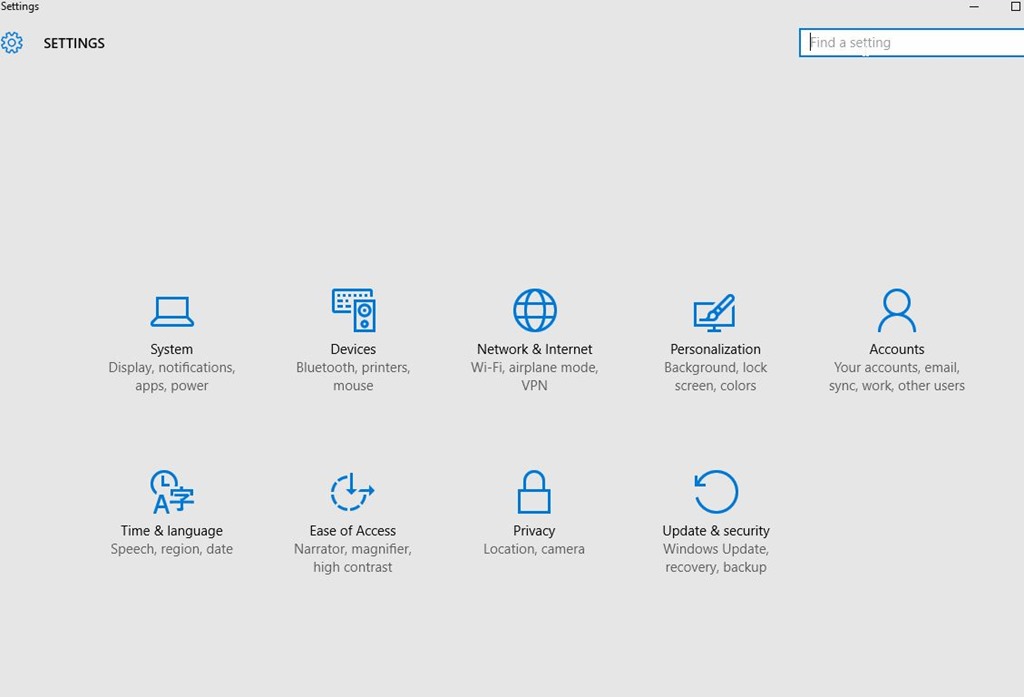
    First, open the Control Panel. On Windows 10, this is the Win+I key combination. I find it hard to know where some things are located, but I like the Search in the upper right.

    2016-08-04 16_36_28-Settings

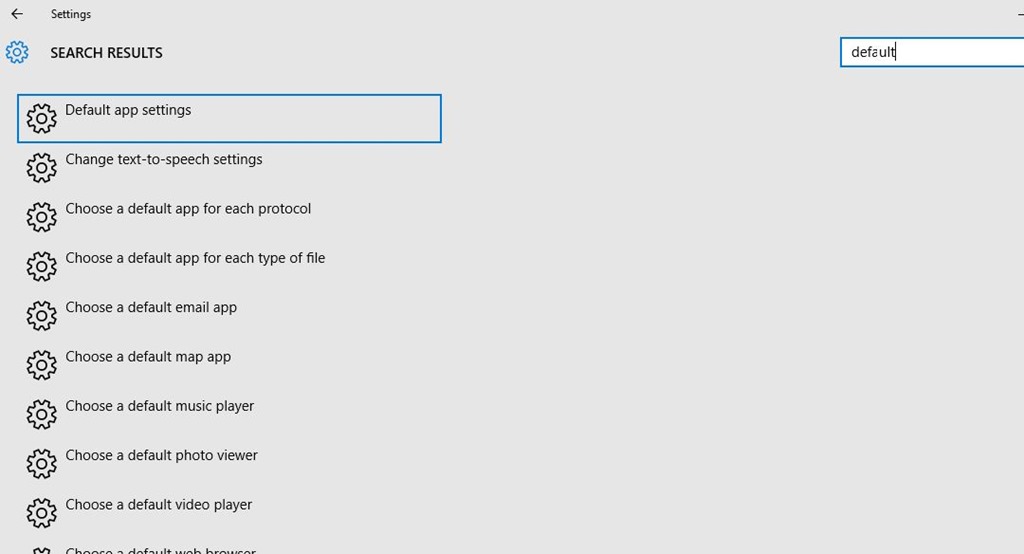
    When I type “default,” I get a list of things. The fourth one down is the one I want to click.

    2016-08-04 16_36_38-Settings

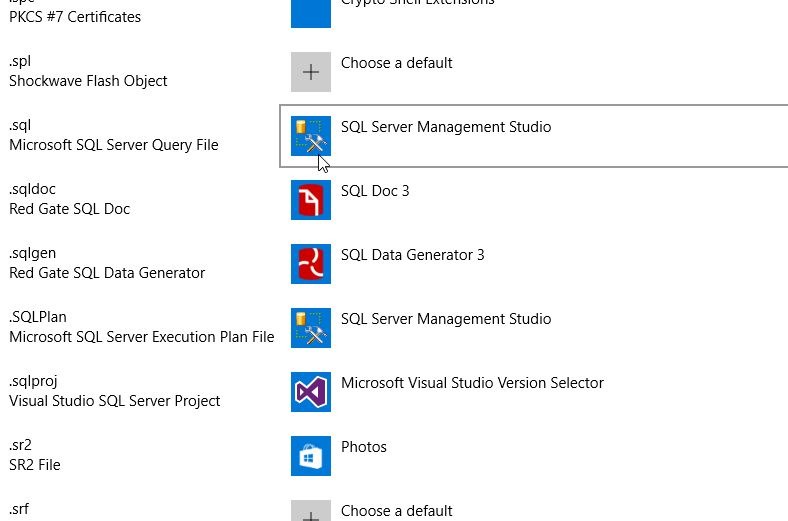
    This brings me a list of each file type and the app. Boy, there are a lot of types to go through. You’ll want to scroll down about two thirds of the way to find .SQL.

    2016-08-04 16_37_09-Settings

    Once I find the file, I click the icon on the right, where it says SQL Server Management Studio. This brings up a “Choose an app” dialog as shown below. I click the SSMS choice.

    2016-08-04 16_37_14-Settings

    Now when I double click a file, it just opens in SSMS (2016). Quickly.

    SQLNewBlogger

    A handy tip. This shows I saw a problem and fixed it. I’m sure some of you could write this in 10 minutes. Some might even built a .reg file or some other automation to show off skills that would help you fix this.

  • What’s a Database Pipeline?

    One of the things I ran into a few years ago was the idea of a software pipeline. A set journey across machines and stages that your software takes. In modern, DevOps style development shops, this usually means:

    • A development machine(s)
    • A Version Control System (VCS)
    • A CI/Build server/system
    • An artifact repository
    • Test server(s)/system(s)
    • Production server(s)/system(s)

    Usually software flows along this path as code is written, compiled, and moved from one stage to the next. You may have more or less stages in your environment.

    For databases, this should be similar, with databases in

    • development
    • test/QA
    • staging/pre-production
    • production

    You could also have other stages like integration, beta, user acceptance, etc. I’ve seen people with 7, 8, or 9 databases in their environment, all a part of their entire development and operational areas.

    The database development pipeline is the set of databases that your code flows through. We’ve represented this with visually in DLM Dashboard as a flow, allowing up to 5 environments to be defined. You can see one of my pipelines in this image:

    2016-08-01 22_16_05-SalesDemo-2015-12-01-1745-export-i-fgod4b6h - VMware Workstation

    Keeping code flowing smoothly along this pipeline is the goal of any development effort. We know this at Redgate, and our mission is to build tools to help you do this efficiently.

  • T-SQL Tuesday #81–Sharpening Skills

    This is an interesting month for T-SQL Tuesday. The challenge is from Jason Brimhall to Sharpen Something, and learn something new. However, his challenge isn’t just a simple “learn something.” Instead, he writes:

    “This month I am asking you to not only write a post but to do a little homework – first. In other words, plan to do something, carry out that plan, and then write about the experience.”

    I didn’t see the original invite, but I saw the reminder, and so had less than a week to actually try something. Fortunately I was starting something new, so I decided to incorporate that into my post.

    The Plan

    I have been doing a little work with auditing, as part of trying to better understand security around SQL Server. With that in mind, I’ve been meaning to do more Extended Events work. I’ve done a little, inspired by Erin Stellato, and as I read the invitation, I thought this would be a good time to tackle something. My plan:

    I know there are potential issues with the matching of events here, but this is an experiment, and the chance to learn.

    The Actions

    Last week my daughter had a volleyball tournament during the week. As a result, I was working remotely, in coffee shops and gym bleachers, trying to get work done. The day after starting this plan, my laptop started to die, with no good outlets nearby. At least not where I could see my daughter.

    So I started Erin’s course. While I saw pieces of a few sets, I also watched the first 3 modules in the course, and even made a few notes in Evernote of things to try. The next day I finished the course late in the afternoon.

    Part 1 done.

    Now on to actually practicing.  I downloaded the exercise files from the course and started to work through some of them. The first XE sessions are simple, but worth setting up to get a feel for the code. I could do things in the GUI, but I wanted to play with code a bit.

    I ran a few items, trying to remember how they worked, and I realize that I needed to review a few things.

    Testing Myself

    The challenge for myself is to create a new session that does event matching, but looking for those transactions started, but not ended. I decided to use the GUI to do this, mainly because I was pressed for time. It’s been a busy week, and weekend, so I didn’t have as much time to experiment as I’d like.

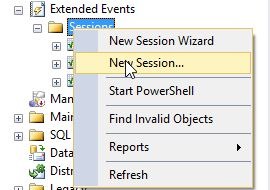
    I started with a new session:
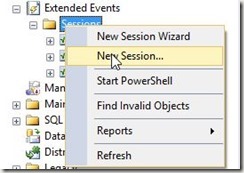
     2016-08-08 16_46_23-SQLQuery8.sql - (local)_SQL2014.Sandbox (PLATO_Steve (66))_ - Microsoft SQL Serv

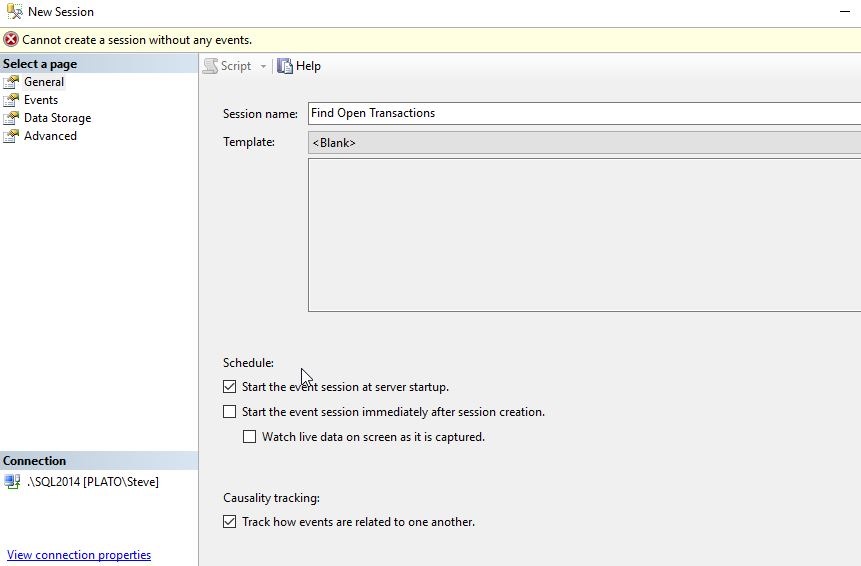
    I gave this a simple, descriptive name, and selected to start on server startup, and also to track causality. My understanding is that since I want to pair up events, I’ll need this. I might be wrong, as I’m certainly not an XE person, but let’s see.
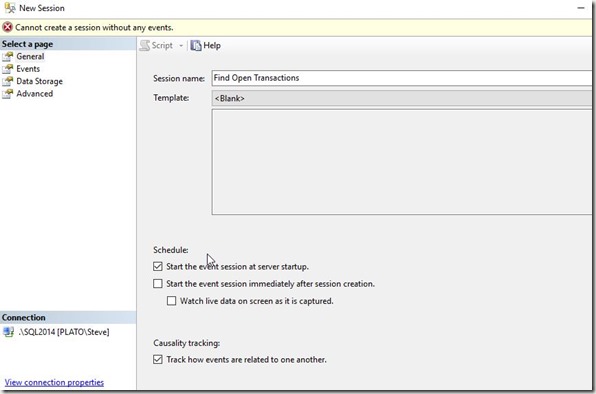
    2016-08-08 16_46_55-New Session

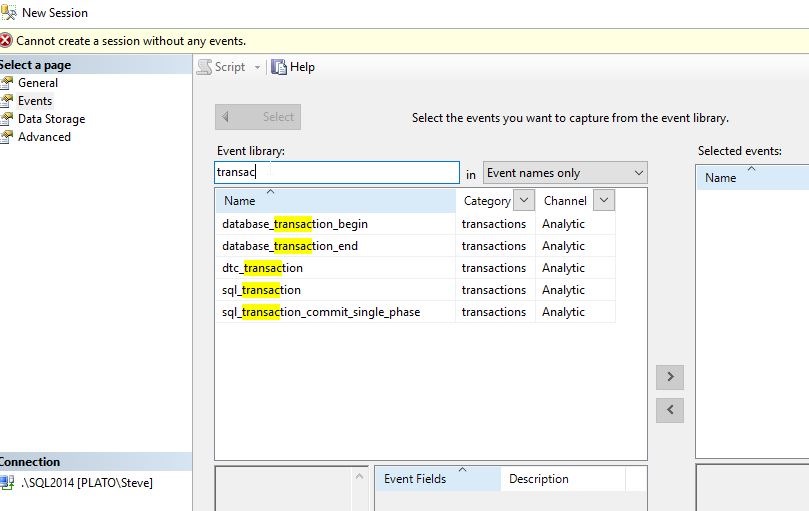
    Now we need events. Let’s use the Search, as Erin mentioned, to find those events with “transac” in them. This screen alone is worth leaving Profiler and Trace.
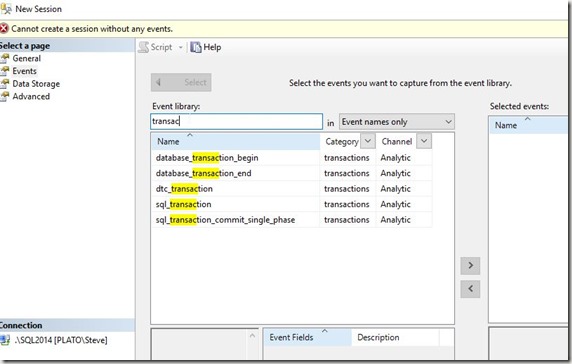
    2016-08-08 16_48_36-New Session

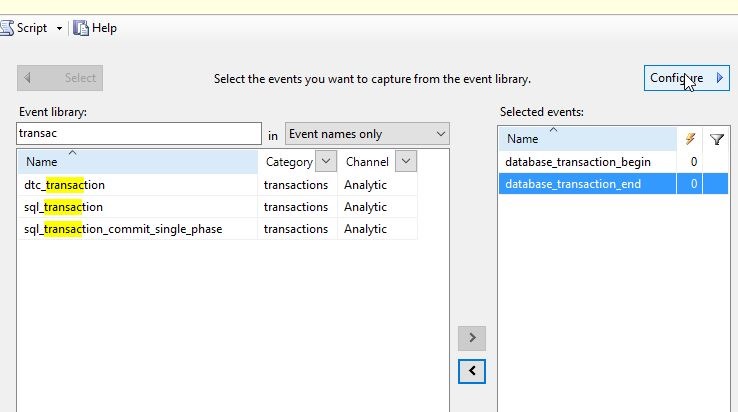
    As you can see below, I’ll add these events and then click “Configure” in the upper right.
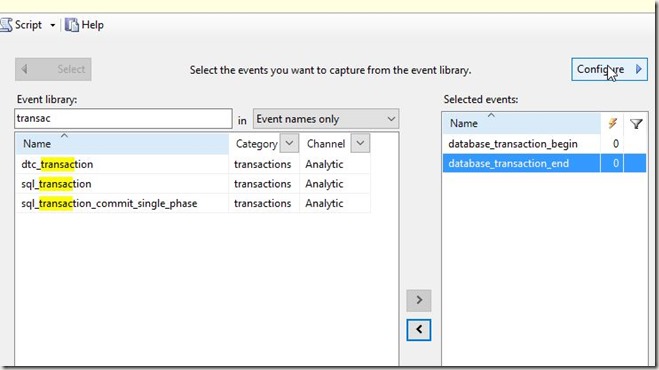
    2016-08-08 16_49_44-New Session

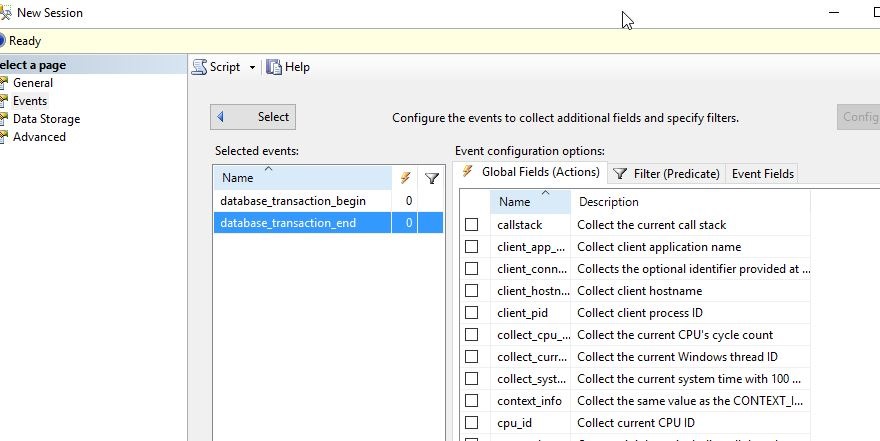
    This slides the pane over and I can see my Actions, Predicates, and Fields.
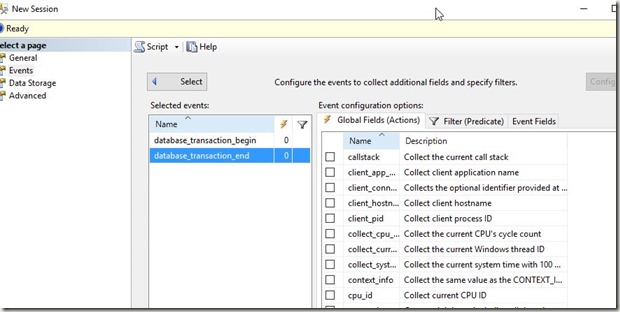
    2016-08-08 16_50_41-New Session

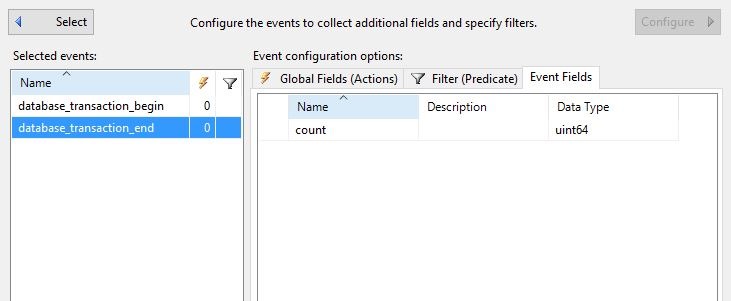
    As Erin did, I want to start with the Event Fields. Let’s see what’s available.
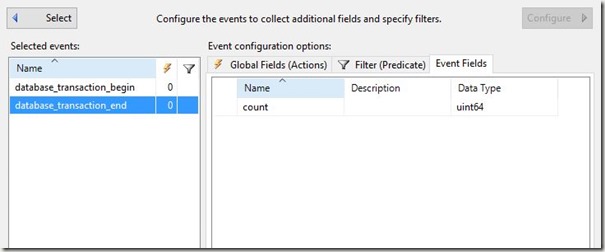
    2016-08-08 16_51_08-New Session

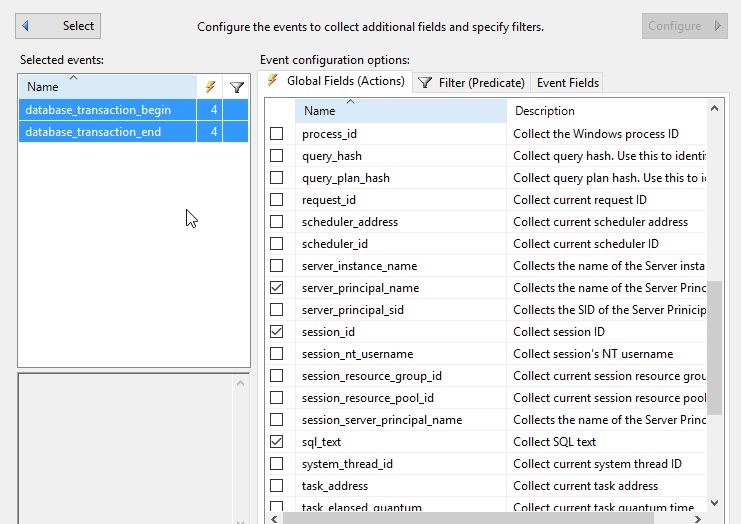
    Essentially nada. This won’t help. So let’s go to the Actions, which I know is something I want to avoid, and get a few fields. I’ll select both events and click a few items that seem useful.
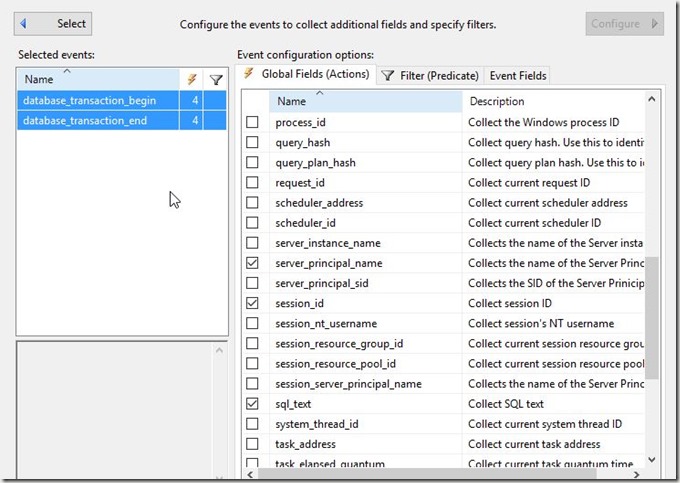
    2016-08-08 16_51_46-New Session

    I’ll want to compare the events based on the session and database, to find those items that have a begin, but no end.

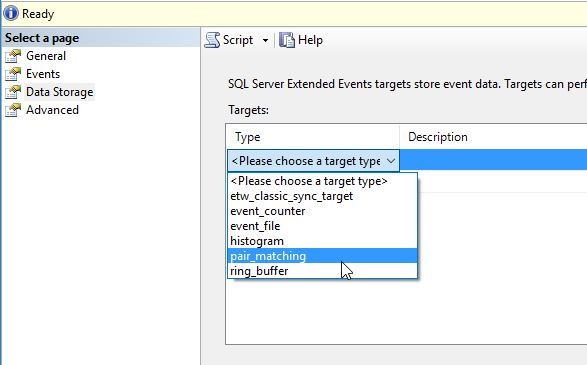
    Let’s now match. In the Data Storage pane, I’ll pick the pair matching target.
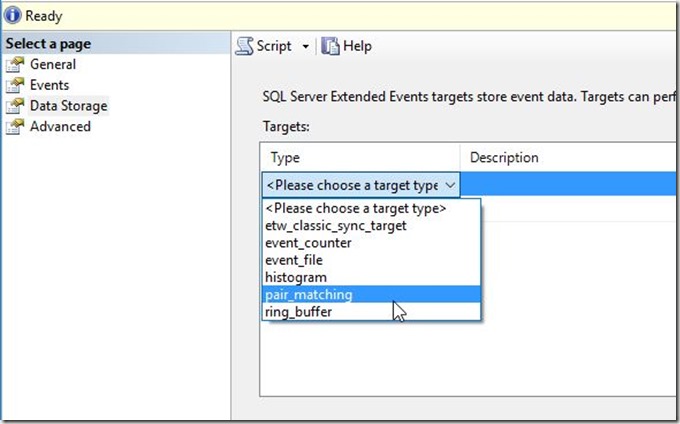
    2016-08-08 16_53_32-New Session

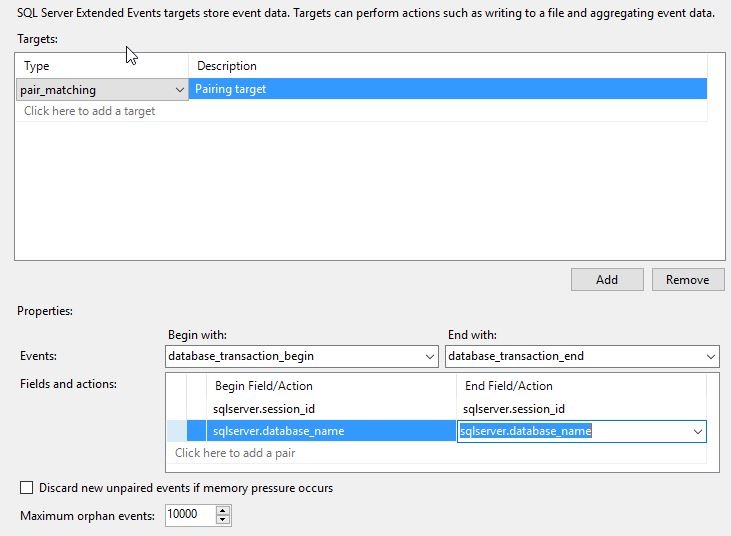
    Once I pick this target, I need to pick the events I use in my matching, along with the fields. I’ll do that here. I’m going to match the begin with the end on session and database. Session might be enough, but let’s go ahead and try to separate out those sessions that might do something silly in two databases.
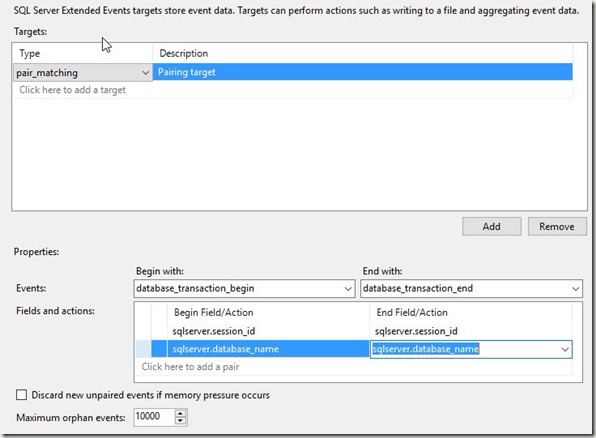
    2016-08-08 16_54_25-New Session

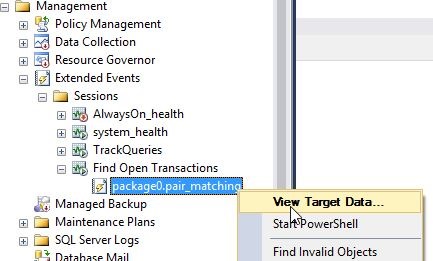
    That’s it for me. I’ll click OK and then start the session. Once I do that, I see the session and the target, which I can view data for.
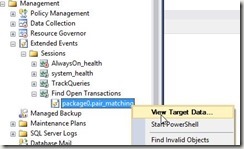
    2016-08-08 16_55_53-SQLQuery8.sql - (local)_SQL2014.Sandbox (PLATO_Steve (66))_ - Microsoft SQL Serv

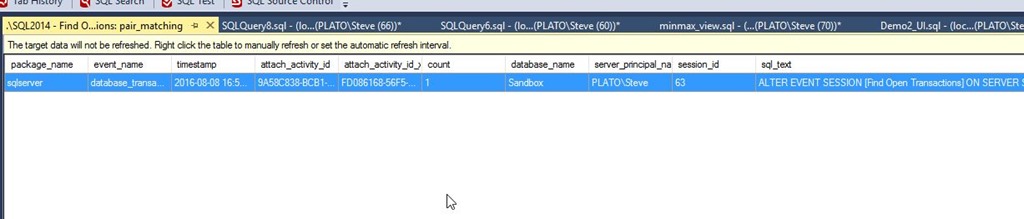
    I see the ALTER EVENT item, which I’m guessing is the start of a transaction inside SQL Server. Note this data isn’t refreshed by default, so I’ll need to right click and do that.
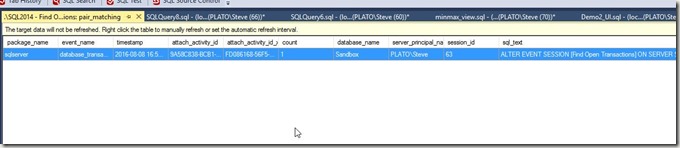
    2016-08-08 16_56_37-._SQL2014 - Find Open Transactions_ pair_matching - Microsoft SQL Server Managem

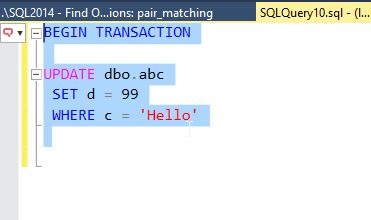
    Now let’s make a transaction. I’ll run this:
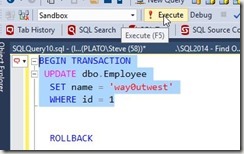
    2016-08-08 17_07_21-SQLQuery8.sql - (local)_SQL2014.Sandbox (PLATO_Steve (66))_ - Microsoft SQL Serv

    Once I do this, I have an open transaction. My session id is 60 for this transaction. If I refresh my data, I see the item.

    2016-08-08 17_09_31-._SQL2014 - Find Open Transactions_ pair_matching - Microsoft SQL Server Managem

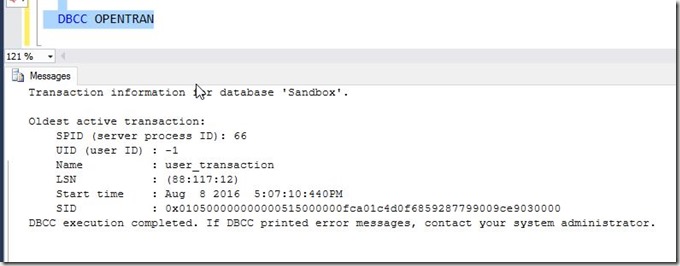
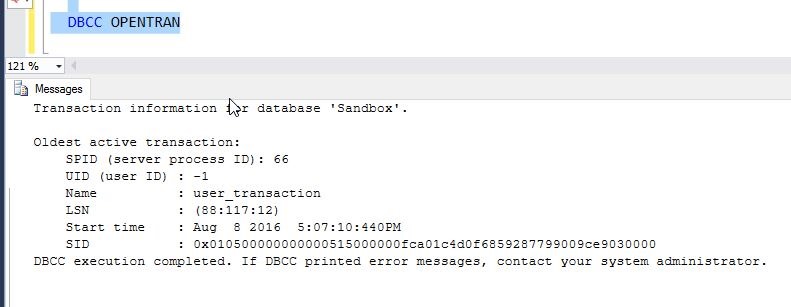
    I can also see the open transaction.

    2016-08-08 17_07_32-SQLQuery8.sql - (local)_SQL2014.Sandbox (PLATO_Steve (66))_ - Microsoft SQL Serv

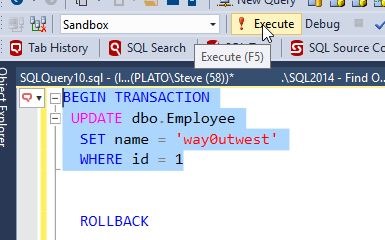
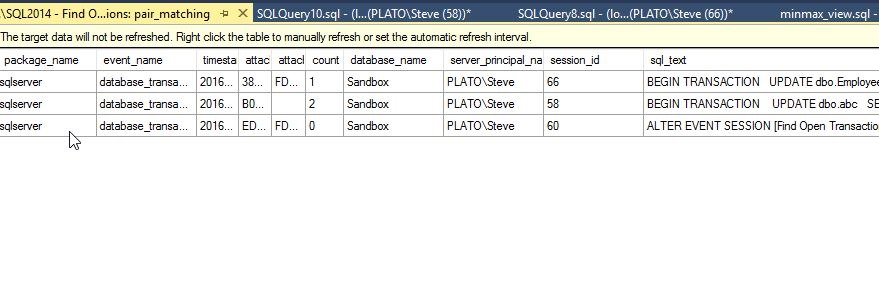
    Let’s try another one. I’ll start another new transaction, this time for session id = 58.
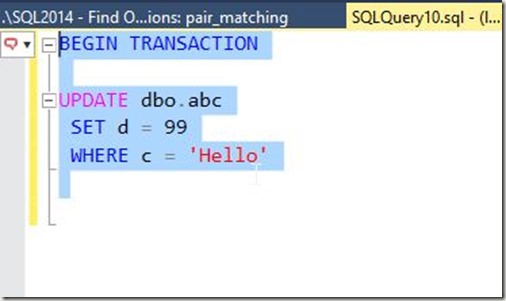
    2016-08-08 17_10_45-SQLQuery10.sql - (local)_SQL2014.Sandbox (PLATO_Steve (58))_ - Microsoft SQL Ser

    Sure enough, I see another open transaction. 
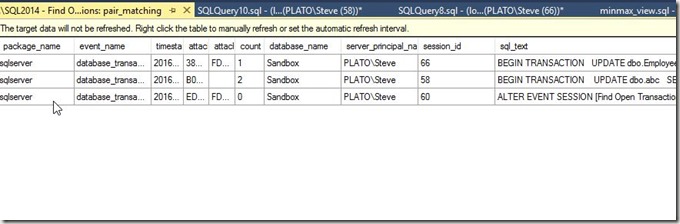
    2016-08-08 17_11_13-._SQL2014 - Find Open Transactions_ pair_matching - Microsoft SQL Server Managem

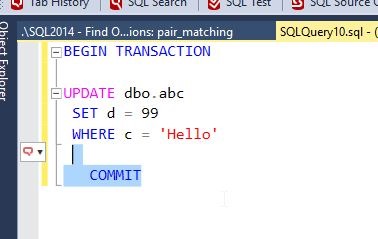
    Now let’s commit the second transaction, the UPDATE dbo.abc.
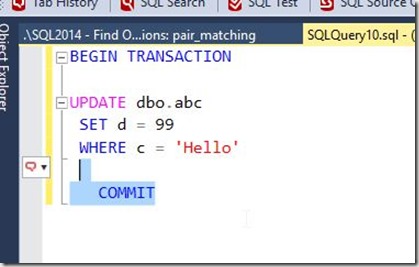
    2016-08-08 17_11_48-SQLQuery10.sql - (local)_SQL2014.Sandbox (PLATO_Steve (58))_ - Microsoft SQL Ser

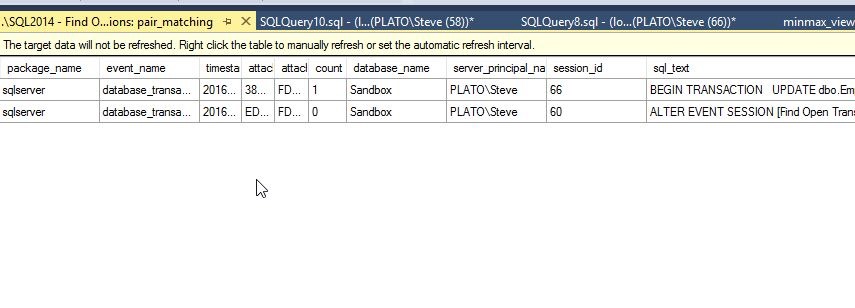
    My transaction goes away from the pair match.
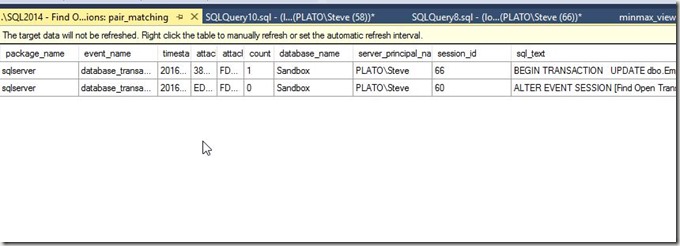
    2016-08-08 17_12_00-._SQL2014 - Find Open Transactions_ pair_matching - Microsoft SQL Server Managem

    The Results

    The third part of the invitation was to write this. I covered what I did, and some of what I learned. I’ll add a bit more here.

    I certainly was clumsy working with XE, and despite working my way through the course, I realize I have a lot of learning to do in order to become more familiar with how to use XE. While I got a basic session going, depending on when I started it and what I was experimenting with, I sometimes found myself with events that never went away, such as a commit or rollback with no corresponding opening transaction.

    This was a good challenge, and it forced me to work through a bit more than I might have done this past week, given a busy schedule. However, I’m glad it did, and I might challenge any of you writing about this in the future for your own T-SQL Tuesday #81 post to limit yourself to a week and force yourself to learn and try something.

  • SQL Saturday and the Alamo

    I’ll be traveling this week to SQL Saturday #550 in San Antonio. This is my first time traveling to this part of Texas and I’m looking forward to getting a few minutes to swing by The Alamo and see a piece of history. The Riverwalk is also on my list as a place to hopefully enjoy a margarita or two.

    This is a combination trip for me, going early to see Tim Mitchell’s pre-con on Building Better SSIS Packages. I don’t do a lot with SSIS, but training time can be hard to come by. I always learn things at one hour sessions, but I’m hoping to get a chance to do a little more in depth work with Tim on Friday. He’s a great teacher, and I’m always appreciative of software devleopment techniques that try to build reusable, scalable skills for developers.

    Saturday will be a great event, the first one in San Antonio. I will be delivering my Branding Yourself for a Dream Job talk at 9:45. However, around that, there’s quite a list of sessions covering all aspects of SQL Server. BI, Performance, HA, even Linux.

    If you can make the trip to San Antonio, come on down, learn some SQL Server, meet fellow data professionals, and get inspired to try something new in SQL Server the following week.