Author: way0utwest

  • A Backup Change

    Backups are a fundamental skill for most DBAs, and hopefully, for most technology professionals. For developers, I’d hope that most of you use some sort of version control, and that you back up your VCS database. I actually had someone ask why we needed to back up the VCS if we had the code on our machines. Certainly the local code on your system, or in your database, provides you some level of redundancy, but all the branches, all the code from other developers, you really want a real backup. For git, this is a simple file level backup.

    I recently got a letter from Crashplan, who I’ve been using for a few years as a backup provider. Apparently they are exiting the home backup market, choosing to focus on businesses. I chose them since it was an economical provider, with good ratings, that let me back up multiple machines. I’ve been happy with them, tested a restores of a few files, but never needed the service. Now, I need a new solution. I keep two copies at home, but what about a fire or disaster? I want an offsite backup.

    One of the things I’ve wanted with a backup solution is a hands off process. While I’ve managed to use cloud sync software and VCS reports to move most work stuff from one machine to others, there are pictures and other data that I don’t want to lose. I’ve also got computers for my wife and kids that I’d like to have backed up. The Crashplan subscription for 5 computers worked great for me.

    It doesn’t seem there are a lot of providers out there for families. Most focus on businesses or the individual, which is fine. Backblaze seems like the next best choice, and at $50/yr/computer, perhaps that’s a fair price. I’ve considered using Amazon Glacier and CloudBerry software, but that feels like I’m giving myself another management job to track. Though, maybe with PoSh available cross platform, I could just build a set of scripts to let each computer notify me if there are issues. I’m still trying to decide what makes sense.

    Backup is important, and it’s becoming a more cumbersome job over time. As my family generates more pictures and video, I get more concerned about backup. Especially the cost. The same problems and challenges I face as a DBA, though often with a slightly bigger budget. However, the challenge of balancing a budget with the requirements to meet some RPO is the same.

    Steve Jones
     

  • Data Governance Survey–Still Time

    Just a reminder. Redgate is doing research into data governance, and we have a small survey we’d love to get some answers to about how you view the process inside your company.

    Take the Survey and be entered to win $100 gift card.

    If you want to read some thoughts on why we’re doing this, check out this post from the Foundry at Redgate.

    I think this will become more important over time. It’s not just GDPR in Europe, but more and more companies are getting increasing negative press and potential fines for losing data. As much as the Equifax event angers me, I’m glad there are calls for investigations, as their should be.

    No good excuse for not having strong security from all vendors, even if it slows deployment and enhancement. We can’t have data being lost to criminals this often because of misconfiguration or silly issues.

  • Remove an Active Lease on a Blob in Azure

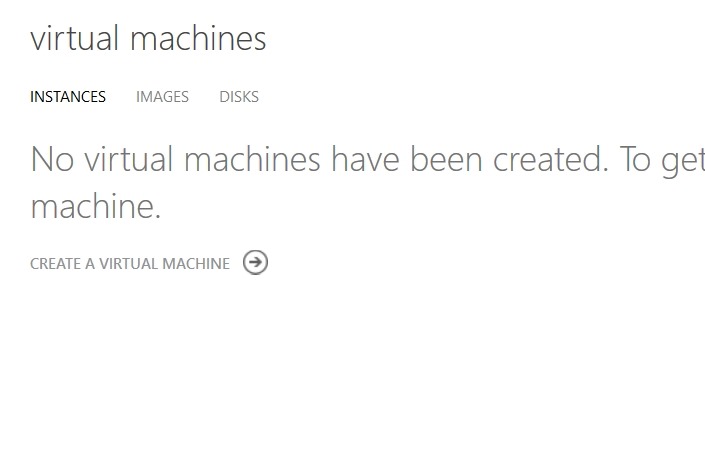
    I was creating and dropping VMs in Azure, and found myself charged money for disks that I thought I’d deleted. I found later that deleting a VM doesn’t necessarily remove the disk blob. Here was one way that I removed some of those blobs.

    First, go to the classic portal. For some reason, the new Portal doesn’t have the capability.

    2017-06-21 21_11_07-Virtual machines - Microsoft Azure

    Click Disks

    2017-06-21 21_11_19-Virtual machines - Microsoft Azure

    At the bottom, click Delete

    2017-06-21 21_11_31-

    That removed one lease, but not others. To get rid of those, I had to do more research and searching. That process is for another post.

  • The Randomness of Analog

    One of the joys for much of my early life was walking through a library, looking for a book to curl up in the corner with and read. As a young boy, I would walk to a local library and read at the wooden tables before I had my own library card to check out books. Later, I moved and had a newer library with large, comfortable chairs in which to sit and read a few pages. I’ve enjoyed the same thing as an adult in various bookstores.

    I didn’t often have a specific book I wanted to read, so I’d randomly walk around, looking at spines, covers, and choosing a book in a somewhat random fashion. My fellow founder at SQLServerCentral, Andy Warren, also appreciated the randomness of browsing in a library for bookstore, discovering some new author or story to enjoy. Across the years, we’ve discussed and debated whether or not there was a way to duplicate this experience with technology.

    These days I tend to buy or borrow all my books electronically. The convenience and unparalleled and time is valuable, and I certainly don’t miss the days of packing 4-5 large books for a week long conference trip. However, Amazon and my local library tend to use recommendation algorithms, or popular titles as the presentation method for their sites. I have lost quite a bit of the ability to enjoy the randomness that comes from wandering and happening upon new titles. Andy feels the same way, though none of our brainstorming has produced a way to duplicate the feeling of wandering through bookshelves in an electronic fashion.

    I’m not sure if there is or isn’t a way to deuplicate this electroncially, but certainly the feel isn’t the same on a screen. All too often our focus when working with data is narrowed to a limited set of choices. And often when we build applications and provide data to users, we are trying to be exacting and relevant, not random. So much of what we choose to do in software is to remove much of the randomness from our systems. Event the “browse” features are often scoped or focused in a particular topic, subject, or area.

    This filtering to a particular bubble of data is one of those areas where we have tremendous power in shaping the world. The code and queries we write, the organization of our data, this will have an impact on our users, and I’m not always sure this is for the best. Perhaps overall this is more helpful, but it also serves to prevent us from viewing the forest, only seeing the trees. If you doubt this, try browsing the internet in Private mode sometimes and run searches. You might be amazed how different the Internet can look.

    Steve Jones

    The Voice of the DBA Podcast

    Listen to the MP3 Audio ( 4.2MB) podcast or subscribe to the feed at iTunes and Libsyn.