Author: way0utwest

  • Human Power

    Stonehenge
    Could this have been built just with human power?

    This editorial was originally published on Mar 20, 2008. It is being re-run as Steve is on vacation.

    I actually got this from my Mom, and thought it was amazing. A look at how you can move rocks. Now this aren’t just any rocks, these are Stonehenge-sized rocks. And the guy moving the rocks isn’t any bigger than I am.

    The process is amazing, but to me the most amazing is that this is this is a relatively ordinary person, a retired worker, that engineered this process. He had a passion for moving things, and built a hobby that has provided a very plausible solution to a problem, or at least a question, that many people have thought about for a long time and not gotten better ideas.

    The power of the human mind, as diverse and varied as we all think, is amazing. To me, this is a great argument for why we should constantly invest of all types of basic research, use the power of the Internet to distribute the workloads to those people that are interested, and allow them to correspond with each other.

    I can even see corporations getting involved and helping people to move forward. I think the X-Prize that I’ve mentioned in my car updates, is another great example of just how far we can move forward when a variety of people tackle a challenge that they have a passion for.

    So if you have a passion, pursue it. And share your knowledge with others. With the power of so many minds working on problems and sharing their accomplishments, who knows what we will accomplish?

    Steve Jones


    The Voice of the DBA Podcasts

    Everyday Jones

    The podcast feeds are now available atsqlservercentral.podshow.com to get better bandwidth and maybe a little more exposure :). Comments are definitely appreciated and wanted, and you can get feeds from there.

    Overall RSS Feed:  or now on iTunes! 

    Today’s podcast features music by Everyday Jones. No relation, but I stumbled on to them and really like the music. Support this great duo atwww.everydayjones.com.

    I really appreciate and value feedback on the podcasts. Let us know what you like, don’t like, or even send in ideas for the show. If you’d like to comment, post something here. The boss will be sure to read it.

  • SSD Lifetimes

    Samsung 840 SSD
    This looks like a nice SSD upgrade that’s reliable.

    One of the things that has concerned many DBAs looking at SSD drives is the possible limited life of these drives. In the past, many consumer drives have had issues, and can fail without warning. However there are plenty of people that still love them for the fact that they are crazy fast and can dramatically speed up your system. Just make sure you keep good backups of your data since it may not be recoverable.

    For servers, a number of manufacturers have been working hard to build more reliability and longer lifetimes into their drives. FusionIO has listed 2 million hours and 6 years write endurance for their cards, which is a quite a long time. Other manufacturers are working hard as well and I suspect we’ll see more and more SSDs architected into SQL Server instances over the next few years. Microsoft has a white paper on using FusionIO cards in tempdb, and I know a few SQL Server installations have been quite pleased with their results of using these cards in production systems.

    This week I saw an analysis of the Samsung SSD 840 over at AnandTech. They examined the wear of this drive and came to the conclusions that writing over 10GiB a day, you’re still get many years of service from this drive. That gives me a lot of confidence in the drive, and with Amazon listing the 250GB version for $180, it’s an upgrade you might consider for your laptop.

  • The Cost of Storage

    SAN disks
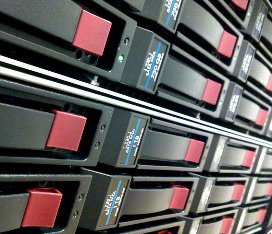
    The cost of storage per GB drops, but the cost to companies seems to keep going up.

    One thing that we can be sure of as data professionals: we will need more storage over time. We gather more data in our organizations and more data is sent to us by partners or automated systems. At the same time we must ensure all our existing data is always available for users. I don’t know how we solve any of these problems, but I do know that any solution will require likely more storage in the future.

    As DBAs, we aren’t too often involved in the cost of storage. These days as many companies move to SAN-based storage, there are separate administrators are involved in the specification and purchasing of the actual hardware. That means that as DBAs we are removed from the impact of our requests for more storage. We don’t necessarily know what the cost to the organization is when we request another 400GB LUN. However this week I’m curious if you know the answer to this.

    What’s the cost of storage in your organization?

    I’m wondering if you know the actual cost in dollars or the impact to limited IT resources of enterprise level storage in your company. Does this impact the way you do business as a DBA? We often don’t have control over the growth of our data, but we seem to regularly be pulled into the discussions on how to best manage the amount of data and even archive data or reduce its impact on the organization’s storage.

    Let us know this week if you are impacted by the cost of storage in your organization.

    Steve Jones


    The Voice of the DBA Podcasts

    We publish three versions of the podcast each day for you to enjoy.

  • The Encryption Primer Resources

    I delivered my Encryption Primer talk this past Tuesday at the Boulder SQL Server Users Group and last night at the Denver SQL Server Users Group. Great questions and discussions, and I hope those of you that attended found it interesting.

    I’ve updated my deck and code samples, and here are the updated files for download:

    Powerpoint: The Encryption Primer v8.ppt

    Code: EncryptionPrimer.zip