This is it, the last work day of the year. I wrote about my look back from the data side of the world, but I also wanted to take a look back at my personal 2016 from the work perspective. This is a chance to examine the way my career’s gone this year and make plans for next year.
Travel
I traveled a lot this year. I had sixteen trips in 2016 for work. That’s less than some years, but it was a harder year for me. With five personal trips out of town, that means I had over 80 nights in hotels or other accommodations, which is quite a bit for me. Some people like that, but the time away from home wears me down.
I also had some long trips. Three of these trips were over two weeks, which is a long time for me. I did get some holiday time on some of these trips, and a couple with me wife, which makes things a little easier.
I have already made plans to reduce this in 2017. I hope.
- 16 business trips
- 80+ hotel nights
- 5 personal trips
- 42 flights
- 4 trains between cities
- 1 car trip to an event
- 2 car rentals driving on the left side of the road
New Countries
On the plus side, I went to two new countries this year for work: Norway and Denmark. Those were great experiences, and I have to really thank the organizers of those events (SQL Nexus and SQL Saturday – Oslo). They made the trips enjoyable and memorable. I’m not sure if I’ll get back, but I would certainly like to.
The hard part of adding in the other countries is that I need to plan these trips with business trips, so they get extended. I may get to one new country in 2017, and my fingers are crossed that things will work out.
- 4 countries in which I delivered talks during 2016
- 9 US States in which I presented
- 17 cities where I stood in front of an audience.
Conferences
In the past I’ve typically spoken at a few user groups, SQL Saturdays, the PASS Summit, IT/Dev Connections, SQL in the City, and SQL Bits. This year I added a few new ones. I was lucky enough to get selected for a couple VS Live events, SQL Nexus, the London Database Professionals Meetup, and MeasureUp, a developer event in Austin.
The highlight for me was //build//, where I was on stage with Donovan Brown from Microsoft talking database devops to hundreds of people. I haven’t spoken at a large Microsoft event before, so this was quite a honor for me.
Caveat, I was selected to speak at Ignite a few years ago, but had to cancel with a knee surgery. Still, I’m quite honored to have been chosen twice.
- 7 expensive conferences
- 7 SQL Saturdays
- 4 user group presentations
Learning
This was an interesting year for me. Each year I try to make an effort to learn some new technologies and new skills. At the beginning of 2016, I was continuing on with learning Python. In 2015 I started attending (remotely) the San Diego TIG meetings with the Python track and got interested. I found this was an interesting way to force some learning on myself. I even worked through part of the Advent of Code with Python (as well as T-SQL and PoSh) to practice some programming skills.
However, I fell off throughout the year. I started brushing up C# skills since I needed some small applications for Always Encrypted, but again fell off. I started a mobile project and let that go. It seems as though life seems to get in the way of any long term learning, and I made the mistake of not setting aside specific times each week for learning. I relied on my curiosity and interest in technology to drive learning, but this wasn’t as concentrated or focused as I would have liked.
I did make time for some pre-cons at a few events and made a point of attending a number of sessions at every event, taking notes and even working through some sample applications. A list of the major talks I remember attending and learning in.
- Encryption – I’ve always dabbled, but I spent time watching a number of sessions from other presenters and building projects with SQL Server’s encrpytion capabilities.
- Azure Machine Learning – worked through a few sample and experimental projects on my own.
- Microsoft Bot Framework – build a sample bot
- Extended Events – drove me to complete a Pluralsight course
- SSIS Frameworks – need to use this
- VSTS DevOps – I’ve started using VSTS almost every week
- PowerShell – I’ve begun using PoSh more and more to handle some tasks and practice my skills. I especially like dbatools.
- C# – On and off practice in addition to Pluralsight courses and a few sessions.
- Python – I really like Python. I worked my way through part of an ML book, but I’d like to do more with this language. I started with v
In 2017 I need a better learning plan.
SQL Server
This was a fascinating year of SQL Server work for me. I began working with a large number of parts of the platform. I spent time working with all of these items:
- Extended Events
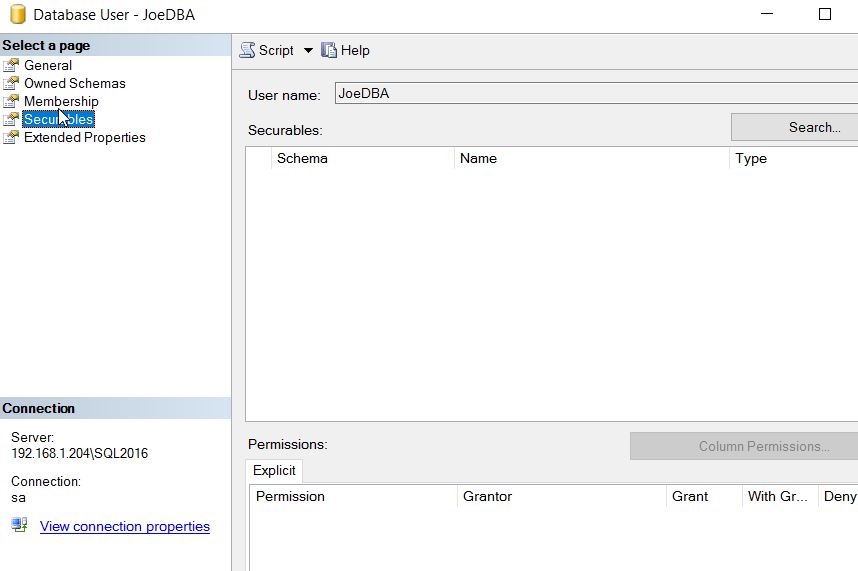
- Row Level Security
- Dynamic Data Masking
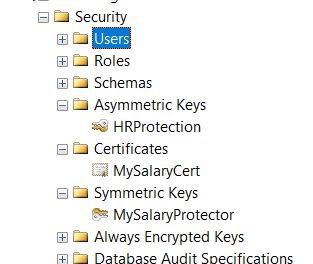
- Always Encrypted
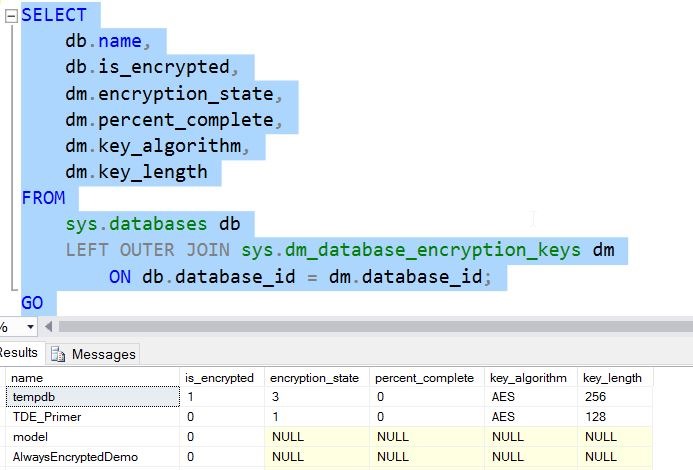
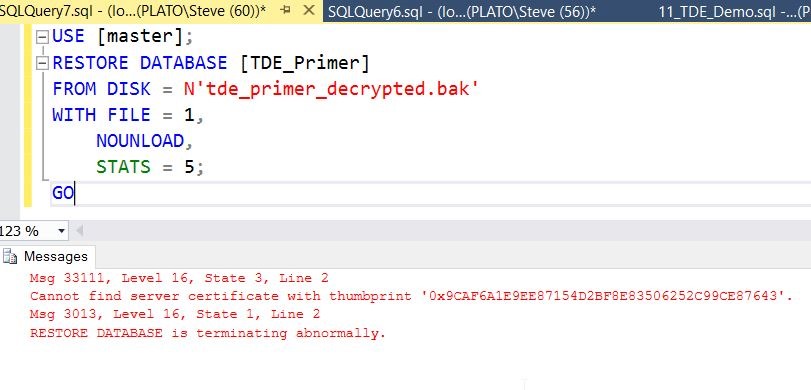
- TDE
- SQL Audit
- T-SQL (new language constructs as well as practicing old skills)
- XML
- JSON
- Stretch DB
- Always On
- In-Memory
There are probably other areas that I tackled, but it’s hard to remember across the year. In each of these areas, I spent a number of concentrated hours experimenting, learning, and getting some piece of technology working. I’d hope to continue this in 2017, especially as I expect another new version to appear with some enhancements that I’m interested in using.
Focus
This was a year where my focus changed from DBA to more of a developer look at the world. While I certainly worked on non-SQL technologies, my focus with Redgate has been more of a developer, DevOps, CI/CD look at the world and trying to help customers and community solve those issues.
I find this to be more interesting, but also most challenging. One of the things I learned as a developer is that there are always cool new things to experiment with and it can be hard to actually focus on the technology you primarily use and continue to improve the way in which you use the tools. There is a distraction from all of the possibilities and options available to you.
As an example, I started to work with one of the dbatools cmdlets and saw a note that Visual Studio Code supports PoSh. I’ve usually worked with the ISE, but launched VS Code and looked for a PoSh extension. I found a few and spent time looking at reviews and comments.
Then I picked one, installed it, restarted, and then tried to code. Struggled to run the PoSh inside of VS Code, so Googled for this. Spent more time trying to get this working. I ended up learning a couple things, but really I wasted close to an hour playing with VS Code, trying to make it work for me, when I had a perfectly good tool (ISE) that works. As much as I like lightweight editors, I can’t spend a bunch of time trying new ones when I have some that work.
I want to try and focus more on specific items next year, make improvements and grow deeper in a few areas rather than trying to grow too widely.
Overall
I found 2016 to be a hard year. My travels were tiring and difficult with family life. I had a few personal issues that made the year hard, among them my second son graduating from high school. I stressed about trying to spend lots of time with him (and my 3rd child) before he leaves home. On the plus side, despite the stress, I was able to watch him complete his Eagle Scout rank for Boy Scouts, which made me quite proud.
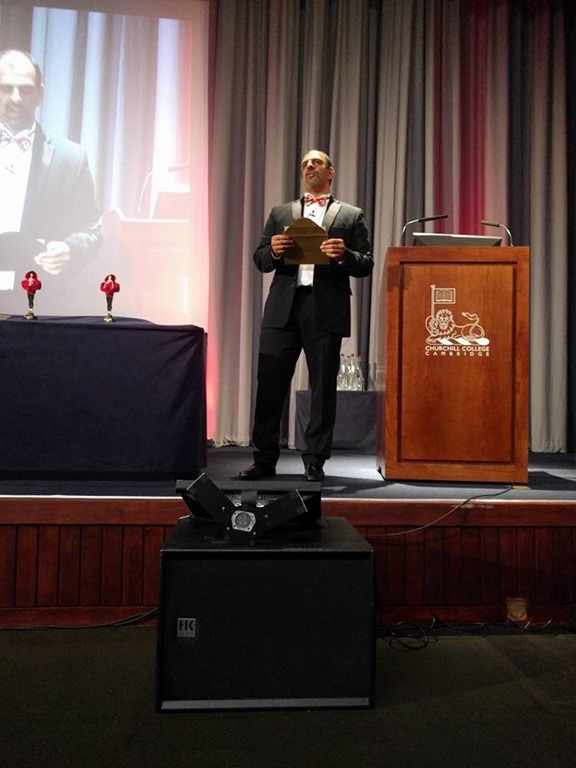
Work was a mix, both with more demands in some ways, less in others. Higher engagement with some parts of Redgate, lower with others. Certainly a year of change. However, I have a great company, and I really enjoy working there. They even got me to dress up:
The crazy election(s) of 2016 in the US and UK, the number of talented celebrities I will mourn, those where downsides. The Broncos winning the Super Bowl, lots of skiing, and some long vacations with family where highlights. I also managed a 199 day run streak and over 400 miles for the year as part of my cousin’s Zuckerburg challenge to run a mile a day.
I’m glad 2016 is ending, and I look forward to 2017 and enjoying a better year.