Author: way0utwest

  • Serious Storage

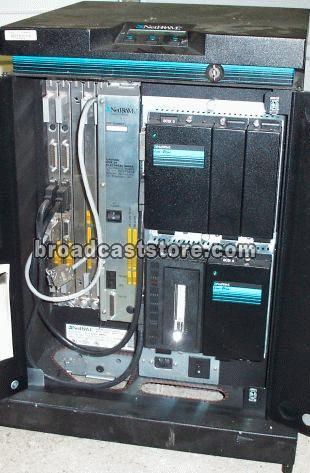
    This was our quarter million dollar server years ago.
    This was our quarter million dollar server years ago.

    Years ago I worked for a company that had a Novell network. We had a multi-server environment with lots of users and were having issues with both space and users. We bought a Netframe server, packed with 350MB drives and a limited edition 1000 user version of Netware v3.11. This was also the time when I got to use my C-language experience, writing a login utility that would handle our user IDs above 250 on Netware since that was the limit for all of our other servers.

    That server, which cost something like $280,000 in 1991 was the biggest one on our network, with something like 8GB of storage. That seems like a pittance today, especially compared with the sale EMC just made. The Vatican is getting 2.8PB of storage from EMC for its library. EMC is also providing consulting services to digitize some of the historic manuscripts and documents that have been deteriorating from user and handling.  It’s an ambitious 9-year project, of which this is just the first 3 years.

    That’s a serious amount of storage, and while most of it will be used for raw, unstructured storage of images, some will have to house a database. There will be the equally critical part of cataloging and organizing the meta data about these documents into some type of database. I don’t know if this will be a relational or some other store, but without some database that keeps track of what each image represents and how to retrieve it, it’s entirely possible that these documents might get lost, in the same manner they may be lost in physical storage today.

    The scale of this project somewhat astounds me. Going from MB and GB to thinking about PB and EB is something many of us will deal with over the next decade as our organizations gather, store, and manage more and more data. Perhaps a few of us will get to work on some interesting projects like this one that look to preserve valuable knowledge from our past.

    Steve Jones


    The Voice of the DBA Podcasts

    We publish three versions of the podcast each day for you to enjoy.

  • It’s a Lineup at SQL Intersection

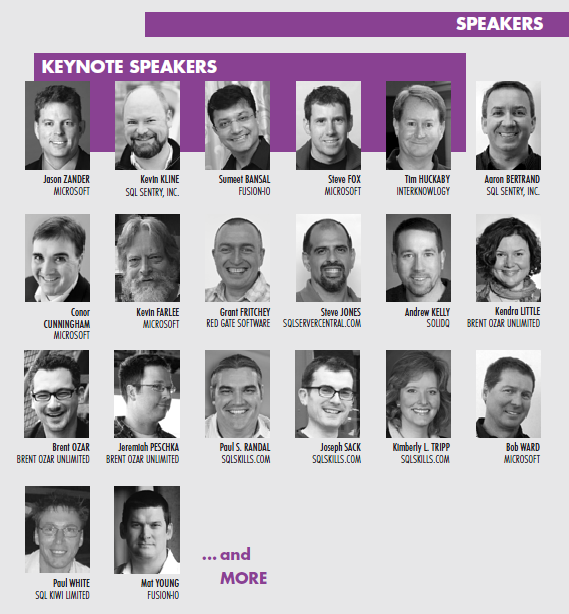
    I got this image in the mail recently, and it made me laugh. It looks like a police lineup, perhaps something from The Usual Suspects.

    Speakers

    I don’t think there are any suspicious looking characters in there (though maybe the third and fourth from the left in the second row qualify), but you never know.

    This is quite a lineup, and I’m honored to be a part if it. SQL Intersection, put together by Paul Randal and Kimberly Tripp of SQLskills, is taking place in April in Las Vegas. From the 8th to the 11th, there will be some amazing sessions being delivered to teach you about SQL Server.

    Register today (use the code “Jones” to support me) and I hope to see you there.

    NG-regbutton

  • Branding Yourself for a Dream Job – The Modern Resume

    This presentation is a career based one designed to help people better market themselves and understand how employers might view them.

    Abstract:

    Everyone wants a dream job that they enjoy going to each week. However finding that job, and getting yourself hired can be hard for most people. Steve Jones will give you practical tips and suggestions in this session that show you how to better market yourself, how to get the attention of employers, and help improve the chances that the job you want will get offered to you. Learn about networking, blogging, and more.

    I maintain a blog on this talk at: modernresume.com

    Slides:

    You can download the slides here

    Branding Yourself for a Dream Job 2013


  • The Backup Process

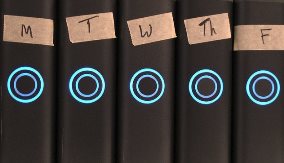
    This used to be my backup process. Five copies, one for each day of the week.
    This used to be my backup process. Five copies, one for each day of the week.

    I was reading Scott Hanselman’s post onThe Computer Backup Rule of Three, and I completely agree with him. If things are important, three copies are the minimum you should keep. I have had backups before, but I’ve found that when something breaks, like a tape drive or hard drive, I might not get to replace it right away. Usually this is procrastination, or as it’s more commonly known, laziness. During that window of opportunity, I’ve had Mr. Murphy strike. My inherent paranoia of having that second extra copy has saved me, both personally (at home) and professionally (at work).

    All too often I run into DBAs that seem to trust and assume their backups and processes are very reliable. After setting up a backup process, usually to disk, and testing it with a restore on another system, they assume it will work in the future. It should, but there is always the chance something will fail at some point in time. There’s the chance that some hardware failure or software reconfiguration will cause an issue with your process. There’s also the simple chance that your I/O system might introduce corruption into your backup files.

    If you aren’t regularly testing your processes, you can’t be sure they are working as they have in the past. The ideal environment would perform a restore of every backup file taken, every day, but that isn’t always possible. However restoring a random backup once every month or two will help you to ensure your backup, and restore, processes, have the best chance of succeeding when you actual need to perform them because of a disaster.

    This isn’t hard to script and automate, but it is something you need to do periodically. However even if you automate restores of all your databases, make sure you still practice your manual skills regularly. Automation might not work in a disaster situation, but those quarterly practice sessions restoring a database to a point in time with a tail log might just relax you when a crowd in your cube is asking if the database will be back up soon.

    Steve Jones


    The Voice of the DBA Podcasts

    We publish three versions of the podcast each day for you to enjoy.