Author: way0utwest

  • Daily Coping 21 Sep 2021

    I started to add a daily coping tip to the SQLServerCentral newsletter and to the Community Circle, which is helping me deal with the issues in the world. I’m adding my responses for each day here. All my coping tips are under this tag.

    Today’s tip is to find a caring, calming phrase to use when you feel low.

    I have emotional swings, much like most people. I certainly feel low at times, and I’ve noticed them more during the pandemic.

    It might seem silly, and it’s a bit of a family joke, but the phrase from Stuart Smalley character of Al Franken often used is helpful.

    “I’m good enough, I’m smart enough, and doggone it, people like me.”

    It lightens my mood, makes me smile, and it helps me to take a step back from whatever is bothering me. My wife has used this on me a few times, and I’m trying to adopt it as a way to cope.

  • Removing a Deleted Column from a Data Masker Masking Set

    Data Masker for SQL Server is a great tool ensuring the data you use in non-production environments is compliant with any regulations by obfuscating and changing sensitive data. This is part of a series of posts on Data Masker from Redgate Software.

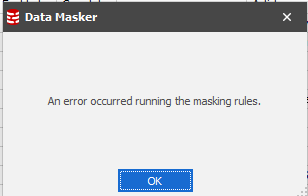
    Recently I was testing a scenario for a customer and had an error while running an existing masking set. I had opened the set up and run it, a pre-test before I altered it for this customer. I immediately got this while running the masking set:

    2021-09-10 10_20_22-

    This is a common problem. Schemas evolve, and while fixing the data set should be part of the development and deployment process, the timing is difficult. I can’t change a masking set before the change is deployed into production. When it is, I don’t want to wait too long before I make the update.

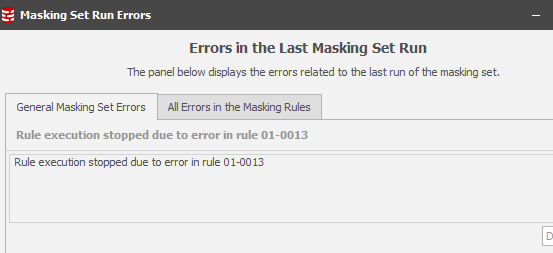
    In any case, when I click OK, I see the error location:

    2021-09-10 10_20_32-Masking Set Run Errors

    This isn’t that helpful, but if I click the “All Errors in the Masking Rules” tab, I get something that is useful.

    2021-09-10 10_20_37-Masking Set Run Errors

    This is the situation I described above. I had deployed part of a demo that moved data around and deleted a column. However, the masking set wasn’t changed. This makes sense as I often reset the demo, but in this case my copy of the database had the column.

    Fixing the Error

    I have two choices. I could add the column back, but that wouldn’t help with this post Winking smile

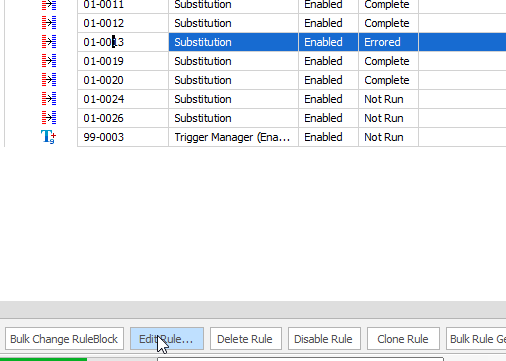
    In this case, I’ll open rule 01-0013 by highlighting it and clicking “Edit Rule”, as shown below.

    2021-09-10 10_26_44-simpletalk(unsaved)_ Data Masker for SQL Server

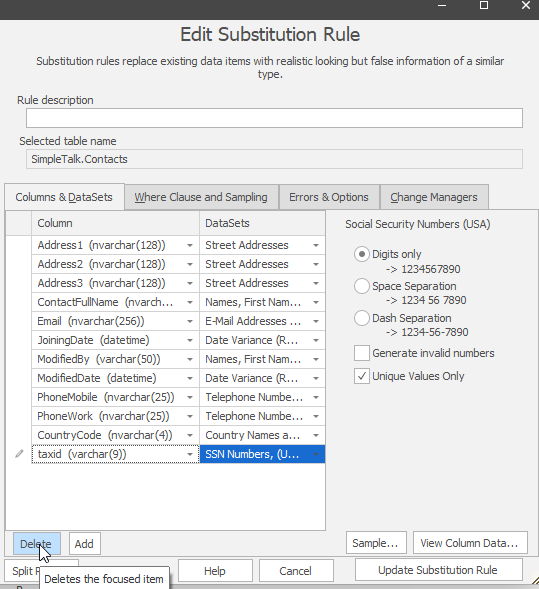
    In this dialog, I see all the columns I’m masking. At the bottom, I can see the taxid, which doesn’t exist any longer. In this case, I can highlight the column and click the “Delete” button at the bottom.

    2021-09-10 10_32_26-

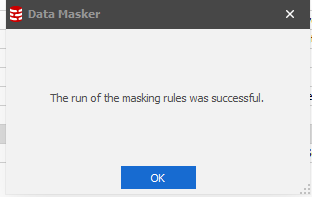
    I click “Update Substitution Rule” to save the changes and then I can run the entire set again. I’m looking for more errors, which are possible. In this case, I had to correct another column error. Then I got this:

    2021-09-10 10_34_10-

    Now I’m ready to actually set up the customer situation and help them fix their issue.

    Data Masker is an incredibly powerful tool for protecting sensitive data. I see more and more customers using it all the time to comply with GDPR and other government regulations. If you’ve never tried it, download an eval today and check out our library of articles.

  • Poor Work Management

    The future of how we will work is uncertain. Every time I read something or talk to someone, I hear different thoughts and experiences, which influence how I feel. Actually, I’m not sure how I feel. Some companies are pushing back their office openings (Google, Microsoft) to a future time, while others are bringing people back part or full time. I had lunch with some friends working at a financial institution, and they are allowed to work at home a day or two a week, but otherwise, they’re in the office every week. I know some other people that are back in the office five days a week.

    There are mixed feelings among many people. While I don’t know many technology people that want to be in the office every day, some do want the option to go periodically to the office. Depending on your commute, you might feel differently, as there are plenty of data pros that want to remain at home full time. Both groups, however, feel that we can be effective at our jobs while working remotely.

    Not all management feels thtat same way, for various reasons. I ran across this piece that speculates that poor management is more likely to fear remote work than embrace it. The example in the piece, from Cathy Merill, certainly seems to indicate this is the case. While I’ve seen some great managers, I feel many managers aren’t good at adapting to dramatic changes and struggle to change their own view of how to do their job.

    I do think culture suffers when we can’t get together in person. Hallway conversations and chats over coffee aren’t as easy remotely, and we don’t build the same bond we get in the office. Working separately at home can work, and we’ve had a lot of success at Redgate, but I also feel more separate from lots of co-workers and miss the chance to get together and catch up. The remote meetings are not the same, and scheduling a quick call is much more of an intrusion than being able to walk by someone’s desk or stop for a minute when I see them in the hall.

    Perhaps it’s the energy from being around lots of people that CEOs and other management miss. It can be invigorating and exciting when lots of people are working together towards a common goal and succeeding. Perhaps management prefers to look someone in the eye and put pressure on them for a lack of performance. That is harder to do virtually, and I know lots of managers that work through intimidation.

    There’s also the investment made in offices. Over the years I’ve seen various configurations and amenities in offices, often to encourage more work and comfort away from home. I know plenty of CEOs and leaders that feel this investment needs to be used by staff for lots of hours each week because of the cost, which seems like a poor excuse to me. That money is spent. These days I suspect more employees push back on longer hours, as they should, and find comfort at home, which might also bother management.

    This issue is complex, but I do know that whether we’re remote or in an office, we can be effective and get work done in teams. Management should know that and use it to try and build an environment that gets the most out of all their staff, whether in the office or remote.

    Steve Jones

    Listen to the podcast at Libsyn, Stitcher, Spotify, or iTunes.
  • Daily Coping 20 Sep 2021

    I started to add a daily coping tip to the SQLServerCentral newsletter and to the Community Circle, which is helping me deal with the issues in the world. I’m adding my responses for each day here. All my coping tips are under this tag.

    Today’s tip is to if you’re busy, allow yourself to pause and take a break.

    I suck at this. I mean, I am really bad at this. When I’m busy, I usually go from task to task. I get in the flow of some things, but often I have a disparate set of items to tackle, and I’ll keep going, forgetting to get up and take a break. I even sometimes make a pot of coffee, have one cup, and look up to find it’s 1:00pm. I’ve been at my desk for hours.

    I do feel the stress sometimes, and I am trying to remind myself that taking 2-3 minutes to walk outside or stop and stare is OK. I might get lightly distracted on the Internet, but that’s not the same. I really should just take a break.

    In the past I have had mixed success. Even the week I am writing this (13-17 Sep), I’m slightly better, but really it’s because I’m in a different environment.

    I’ll try to keep this in mind in the coming days when I’m back at home. Stop, get up, take a break.