Tag: Azure

  • Should We Move to Azure?

    This editorial was originally published on May 23, 2014. It is being re-published as Steve is out of the office, with a few minor editorial changes.

    Update: We made a number of changes last year, upgraded the forums, and have continued to implement bug fixes. We are still considering this idea.

    At SQLServerCentral we have been debating some architectural changes to the site. We’d like to improve the way a few of our features work, add new ones, and replace a few items that are buggy and hard to maintain. The site has worked well over the years, but we’ve made relatively few improvements, mainly due to the fact that like many companies, this website isn’t our business, and work has a lower priority than some other areas in the company.

    Recently I had a suggestion presented to me and I wasn’t sure how I felt. There were certainly pros and cons to both taking advantage of the opportunity as well as passing it up. While we are still talking about the process, I wanted to ask the community what they might think this week.

    Should we move SQLServerCentral to Azure?

    I really like the idea of PaaS. There are issues, and certainly I think Microsoft could do a better job of creating competition as well as securing and even deploying their platform. However I think the idea of just consuming services as opposed to installing and managing pieces of software, is a great direction in which to move. SQLServerCentral would seem to be a perfect type of application that fits in the cloud.

    We run a generic ASP.NET site, using fairly common and simple database features in SQL Server. We don’t store or manage much in the way of PII, financial, or medical data outside of email addresses, and we don’t have the need to scale to high levels, either in data storage or computational resources. The one problematic area is our email requirements. I’m not sure what the cost is to send emails from Azure, but we send millions per week, and CAN-SPAM requirements can be tricky to meet in the cloud.

    However I’m just wondering what the community thinks. If we successfully moved to the cloud, and disclosed details about the process, would that give you more confidence in the cloud? Would it be interesting? Or is SQLServerCentral just a service and you don’t care how it works, as long as it does. Let us know this week.

    Steve Jones
  • A Tour of SQL Server Security Features

    Abstract

    Protecting data from unauthorized access becomes more important all the time. SQL Server includes a number of features that make data protection and security easier for developers and DBAs with a framework for protecting data. Come learn how Always Encrypted, TDE, Row Level Security, Dynamic Data Masking, and column level encryption can protect your systems.

    You will learn:

    • About the different encryption and security features in SQL Server
    • Understand the code changes required for encryption mechanisms
    • Gain a basic understanding of RLS and DDM, which do not require code changes to help protect data

    Level: 100

    Demos

    This talk includes the following demos

    • Always Encrypted setup and data access
    • Row Level Security setup and use
    • Dynamic Data Masking for users
    • Column Level Encryption implementation
    • TDE setup and verification
  • The Cloud is Better In At Least One Way

    Many people don’t see the cloud platform as necessarily better run than what they do in their local data center. That might be true, and certainly the caliber of people, their experience, responsiveness, and more can make a big difference to the way in which any environment operates. One would like to think that AWS, Azure, Google Compute, etc. would all hire the best people and pay them more to operate a top notch system. I’m sure they have some of those people, but they also may have some average people that might not be better than your administrators.

    Corruption is something I’ve experienced a few times in my career, and it was incredibly scary each time. I’ve been on multi-day support calls, trying to recover data, exported out pages to reconstruct values, and had to have very difficult conversations with management and clients to let them know data is gone. I think the worst experiences for me were breaking the news to workers that would have to try and re-enter data. Many of them had lots of extra work to look forward to without extra pay.

    The Microsoft Azure team takes corruption seriously, and there’s a good description in this post of how they protect against and deal with corruption in Azure SQL Database. It’s quite comprehensive, and it’s a set of things that I wouldn’t expect most companies to implement. Even some of the better SQL Server people I know don’t necessarily get called in during off hours when a corruption alert fires. Plenty of people working with SQL Server might not have been through an Immersion event and understand how to even deal with corruption outside of calling Microsoft.

    The cloud is a vast array of service and settings, many of which we can manage ourselves. In those cases, certainly the cloud might not do a better job than we would. No one on a cloud vendor’s staff is going to manage your VM or help you ensure your database design is solid. However, in checking for corruption, ensuring disk level backups, watching for DDOS and other threat vectors, the cloud vendors certainly do a better job than most of us. And for corruption, Azure SQL Database seems better watched than most databases I’ve seen in my career.

    Steve Jones

    The Voice of the DBA Podcast

    Listen to the MP3 Audio ( 3.5MB) podcast or subscribe to the feed at iTunes and Libsyn.

  • Remove an Active Lease on a Blob in Azure

    I was creating and dropping VMs in Azure, and found myself charged money for disks that I thought I’d deleted. I found later that deleting a VM doesn’t necessarily remove the disk blob. Here was one way that I removed some of those blobs.

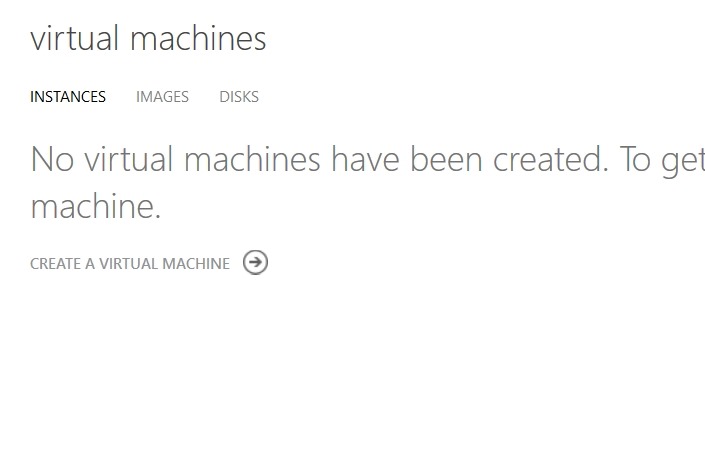
    First, go to the classic portal. For some reason, the new Portal doesn’t have the capability.

    2017-06-21 21_11_07-Virtual machines - Microsoft Azure

    Click Disks

    2017-06-21 21_11_19-Virtual machines - Microsoft Azure

    At the bottom, click Delete

    2017-06-21 21_11_31-

    That removed one lease, but not others. To get rid of those, I had to do more research and searching. That process is for another post.