Tag: software development

  • Adding the ReadyRoll Extension in VSTS

    As I’m doing a little development with ReadyRoll, I’m documenting some of the things I learn about the product.

    A few weeks ago I needed to do a demo with ReadyRoll for Redgate Software. I built a new project, and wanted to perform a build in Visual Studio Team Services (VSTS). However, I realized that I needed to install the extensions for my project to work. This is pretty easy, but worth a short post.

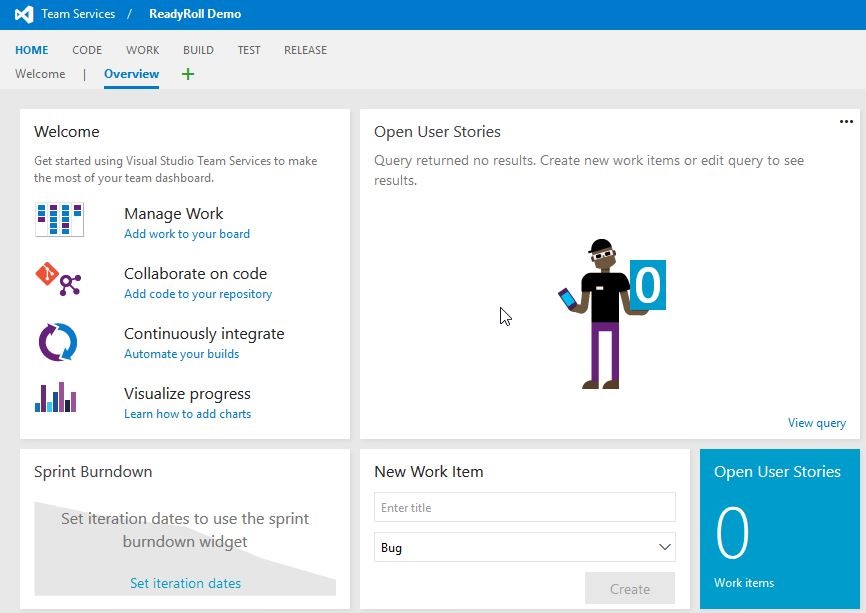
    If I create a new VSTS project, I get a blank, empty project page. 2016-07-15 11_30_27-Highlight

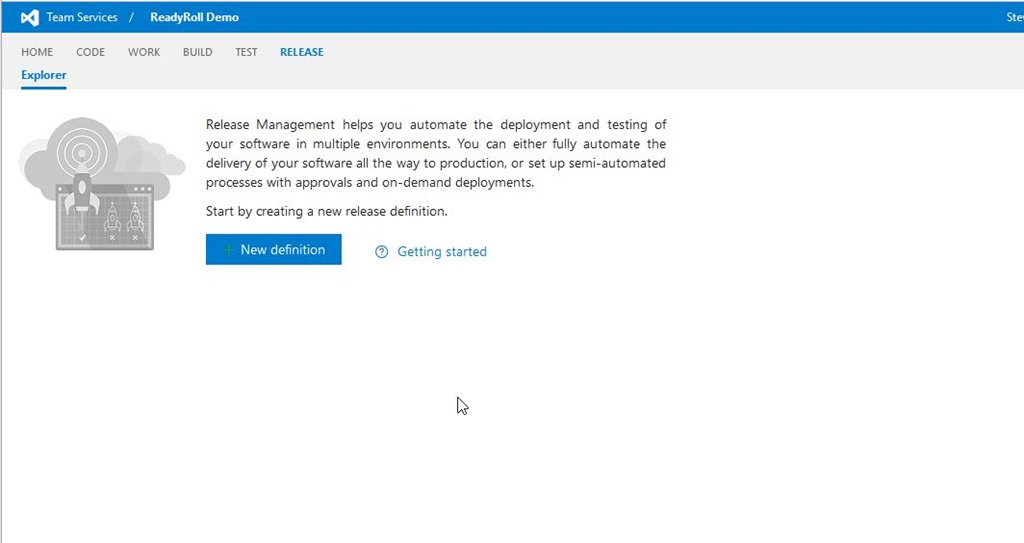
    If I navigate to the Release page, of course, I have nothing there.

    2016-07-15 11_38_51-Highlight

    And when I look to add something to a release definition, I have a fairly small list of tasks from which I can choose. These are in alphabetical order, and there’s no “r” tasks.

    2016-07-15 11_49_57-Highlight

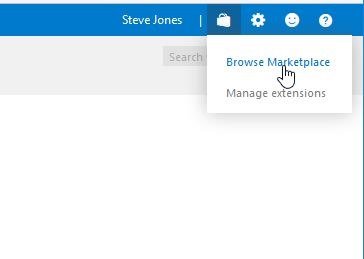
    I do need a build setup, but once that’s done, I still have the same list of three items. I want to add the ReadyRoll extension. To do that, I’ll click the shopping bag in the upper right of the screen. Once I do that, you’ll see I can browser or manage extensions.

    2016-07-15 11_41_15-Highlight

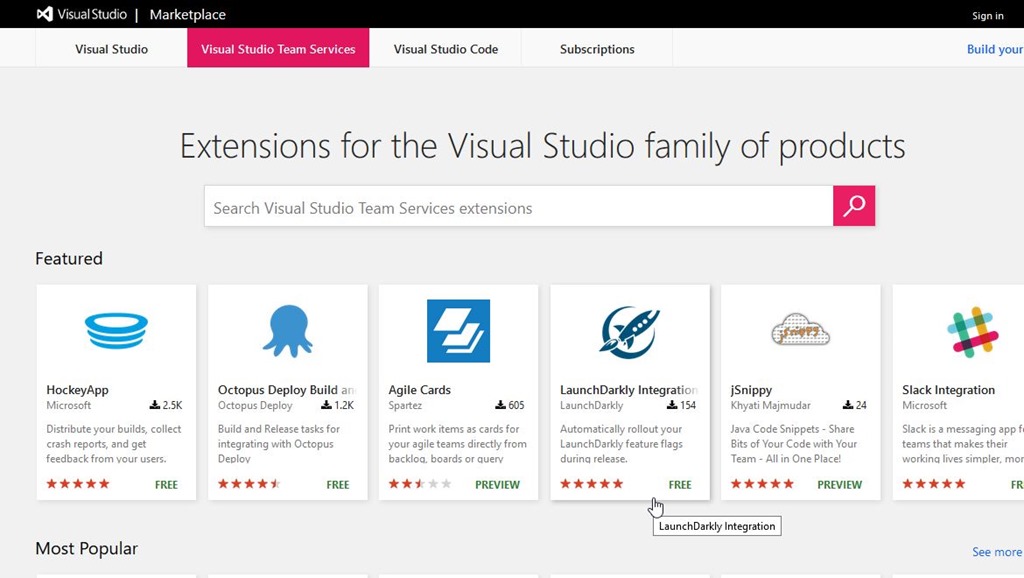
    I’ll choose Browse, which opens the marketplace. There are extensions for many, many developer tasks, and I’d encourage you to look through the list.

    2016-07-15 11_41_45-Highlight

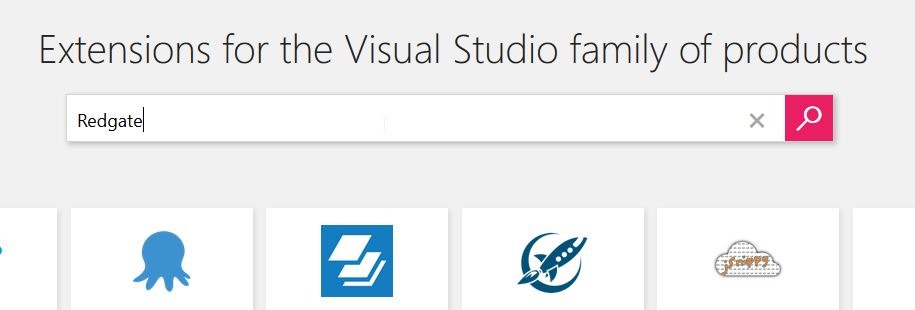
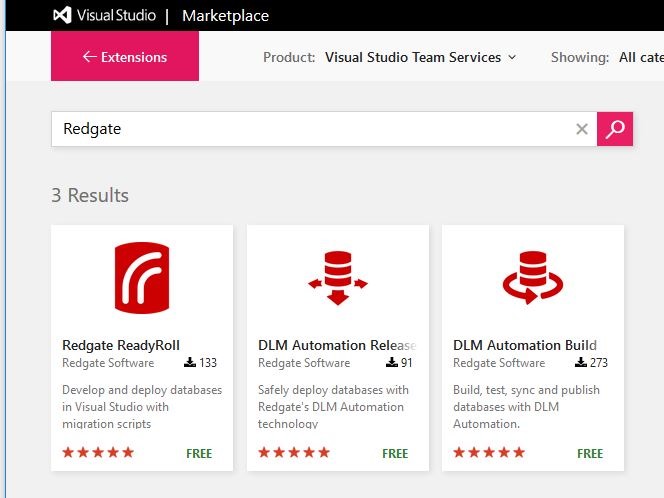
    In my case, I’m looking for ReadyRoll, so I’ll enter Redgate to search.

    2016-07-15 11_41_55-Highlight

    There are three results, the first of which is ReadyRoll.

    2016-07-15 11_42_02-Highlight

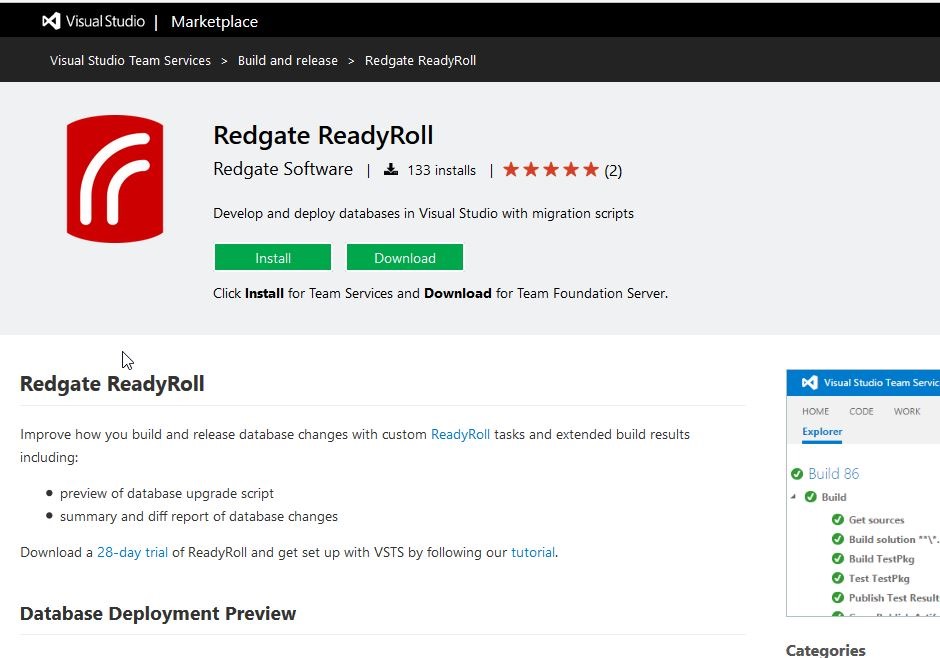
    I can click on the box, and I’ll get more details on the extension.

    2016-07-15 11_42_10-Highlight

    The extension is free, but I do need ReadyRoll on my desktop to build a ReadyRoll project in Visual Studio. As the page notes, you can download a 28 day trial to play with the product if you like.

    If I click “Install”, I’ll get a dialog asking me to confirm the installation to this account. Note there is a drop down if you have access to multiple accounts. The permissions needed are also listed.

    2016-07-15 11_47_30-Highlight

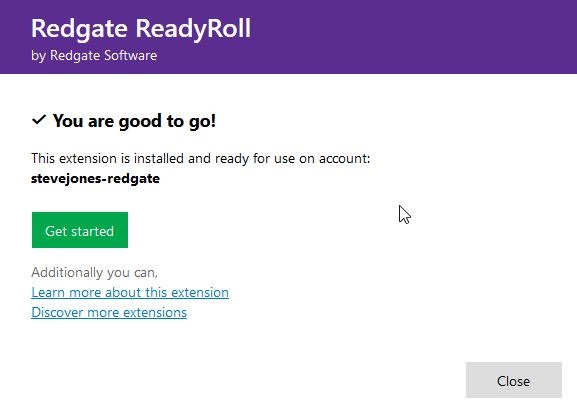
    Once this is installed, I get a confirmation:

    2016-07-15 11_48_14-Highlight

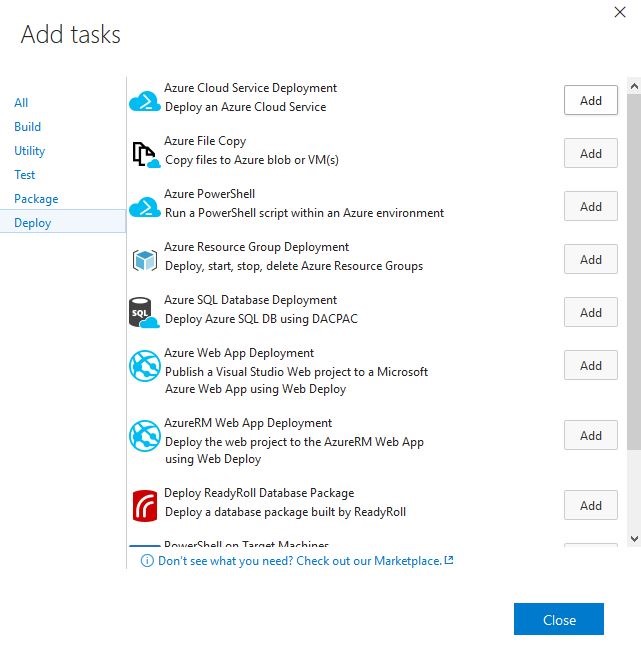
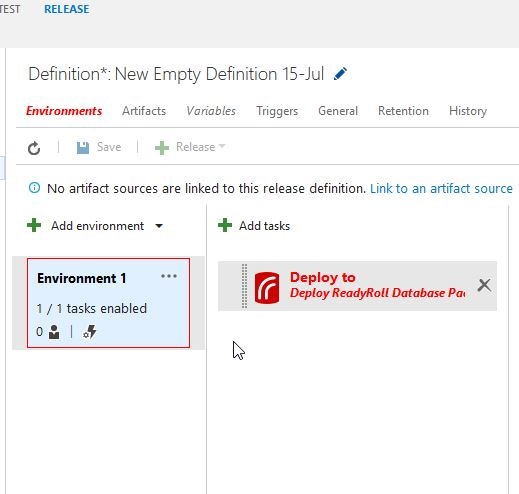
    And now when I go to add a task, I see ReadyRoll listed.

    2016-07-15 11_49_11-Highlight

    I click “Add” and then can configure the task.

    2016-07-15 11_49_25-Highlight

    That’s how easy it is to add ReadyRoll, or really any extension to your VSTS account.

  • Scary Deployments

    I was listening to a web developer talk about some fundamental changes in a web platform. In this case, an older system was being replaced completely with a new one, and as one of the reasons, the developer showed some typos that had existed on the old site for years and hadn’t been fixed. The reason? This quote:

    “Very few people understand how the entire system works that are still in the building … The thought of deploying [changes] brought people to tears.”

    That can’t happen. Ever. We can’t be afraid to touch systems. When this happens we get paralyzed, and we don’t do good work. Or we’re not a good fit for a project. Or perhaps, we’ve got a bad attitude.

    I’ve worked in a few companies where developers were afraid to touch a system. It’s amazing how quickly this attitude becomes contagious, even scaring management from considering change. In today’s world, where it seems to need to change and respond to a changing world, that seems like a recipe for decline, not growth.

    One of the founders at Redgate mentioned that if something is hard, we should do it more. If touching software is hard, document and test more. If deployment are scary, then you should work to reduce the fear and problems, using the power of computing and scripting to mitigate risks and smooth the process out. That’s a large part of what DevOps is about. Reducing the risk and issue of moving software from the development to production environments.

    Don’t let yourself be scared by software or deploying changes to a system. Have confidence and make things better.

    Steve Jones

    The Voice of the DBA Podcast

    Listen to the MP3 Audio ( 2.5MB) podcast or subscribe to the feed at iTunes and Mevio . feed
  • Building locally from VSTS

    One of the things that you need with a Continuous Integration server is that ability to build your software on some computer system and verify things work. With Visual Studio Team Services, using Visual Studio online, this seems to be a challenge.

    The VSTS team has thought of this and includes the ability to target your builds on a hosted system in the VS cloud, where you don’t need anything installed. However the hosted build agents and servers have a limited amount of software that’s supported. SQL Server isn’t on that list.

    However, there is another option. If you go to the control panel for your account, and click the Agent Pools tab, you’ll see something like this.

    2016-06-28 18_03_29-Agents for pool Default - Microsoft Team Foundation Server

    Notice the “Download agent” link. That’s what you want. As you can see, I’ve been testing and I have agents actually setup and registered on 4 machines. Here I’m going to add a fifth.

    Once I download the file, I’ll extract it to see a list of files and folders.

    2016-06-28 18_01_52-agent

    What I first want to do is configure the agent, so I’ll enter ConfigureAgent from a command prompt. Note, I need to do this as an administrator level command prompt.

    2016-06-28 18_08_35-cmd - ConfigureAgent.cmd (Admin)

    In my case there are some settings, but I’m overwriting them as I rebuilt my machine. Once I hit Enter, I then get the chance to Authenticate.

    2016-06-29 09_18_49-

    After this, the old Agent appears. However, since I’ve rebuilt and rename this machine, I’ll change it. I answer a few more questions about configuring the agent properties. At the end I’ll also authenticate to the Azure cloud once again.

    2016-06-29 09_21_09-cmd (Admin)

    Now that things are configured, I can run the agent. I could set this as a service, but I prefer to know the agent is (or isn’t running) and see the output. I have set this as a service before, and it works fine.

    All I have left to do is RunAgent.cmd and I have an agent running locally that takes instructions from VSTS.

    2016-06-29 09_26_45-cmd - RunAgent (Admin)

    If I go back to my control panel, I see a new agent.

    2016-06-29 09_32_41-Agents for pool Default - Microsoft Team Foundation Server

    I can also trigger a build. I happen to have one setup for a project that points to local instances. Here’s the build definition, which uses the VSTS Extension from Redgate to build a database.

    2016-06-29 09_34_05-Microsoft Visual Studio Team Services

    I can click “Queue Build” and a build will start.

    2016-06-29 09_34_18-Microsoft Visual Studio Team Services

    I see the build running in the console:

    2016-06-29 09_34_31-cmd - RunAgent (Admin)

    And online in VSTS if I want. The Build Agent sends logs back to the VSTS service as it’s working.

    2016-06-29 09_36_19-Microsoft Visual Studio Team Services

    This is a basic way to get a VSTS build working on your local machine with an agent. There is a lot more to configure if you need to, and if you need multiple agents, you can certainly pay for them with a different VSTS plan.

  • The Bad Data Shutdown

    I’m a car guy. I like cars, I like driving, and I’ve spent a lot of time and money over the years on vehicles. I’ve swapped and enjoyed a few dozen automobiles as part of my life. If you are on Twitter, you might occasionally see @BrentO and myself go back and forth on some car topic, usually Porsche related. This usually results in an hour or so of life wasted on dreaming of a new car (including getting distracted while writing this piece and pasting that last link in, where I spent quite some time drooling over the Macan).

    Recently there was an issue with the navigation system in Lexus vehicles. Apparently bad data was sent during a software update, which is not exactly what you want to happen in a car. I’ve had a few modern vehicles, some of which would be quite handicapped if they onboard computer were frozen or rebooting. In my current vehicle, this would cause issues with climate, navigation, entertainment, and potentially other systems. After all, I suspect many things from door locks to speed control are all integrated together. Certainly the drivetrain is as an open door will automatically shift my car from drive to park, at least at low speeds.

    As we move to more drive by wire, bad data or bad software that disrupts the computer systems could be very dangerous. It’s not just updates, but this could even be some internal Denial of Service issue from a USB device or bluetooth connection. In this case,  Lexus acknowledged the problem, which I’m glad to see. The Internet ensures that problems can be reported from many users quickly and very publicly. That makes it hard to deny a widespread problem.

    Delivering updates across wireless links is great. It’s cheaper for everyone, saves time, and owners appreciate convenience. However, moving to this model often requires some sort of continuous delivery (CD) process, which should also allow for rolling forward, and releasing fixes for problems. However, if the updates you deliver cause the system to cease functioning, then this doesn’t help. At the last, your QA system needs work and you don’t have a well designed software delivery process.

    Various companies are getting better at delivering updates to our systems without downtime, but there’s still work to be done. The smaller your domain of clients, the easier this is. For many of us that work on small systems, an application server or two and a database, we can certainly get much better at ensuring our updates are tested, and more importantly, that we can quickly deploy a second patch if we find an issue. That requires engineering a process that is known and stable, with the ability to respond quickly. For larger systems, with many clients, you need a really solid engineering and deployment process.

    Above all, however, no matter what your deployment mechanism for updates, you need to be sure that any data you include is at the quality level you’d expect would be delivered to you.

    Steve Jones

    The Voice of the DBA Podcast

    Listen to the MP3 Audio ( 4.7MB) podcast or subscribe to the feed at iTunes and LibSyn.