A New Word: Solysium

solysium – n. the unhinged delirium of being alone for an extended period of time – feeling the hours stretch into days until a weird little culture begins to form inside your head, with its own superstitions and alternate histories and a half-mumbled dialect all your own – whose freewheeling absurdity feels oddly liberating but makes it that much harder to reacclimate to the structures and ambiguities of normal social life.

I don’t find myself alone too often. Not for an extended period of time. As an introvert, I like my alone time for sure, but I also like the energy of other people around. I just prefer some quiet times where no one is talking to me.

I don’t know that I develop solysium, with a culture in my head. I certainly game some interactions, or reply a conversation, usually wishing I’d said something smarter or wittier.

For me, I like the world, I like interacting with people and I appreciate the social structures I’m in. I am comfortable in a lot of US social situations, but I can find something fascinating or interesting when I’m in Italy or Germany or England or anywhere else. The differences, even if they’re not something I’d do or like, are amazing. They keep the world a special place.

From the Dictionary of Obscure Sorrows

Posted in Blog | Tagged , | Comments Off on A New Word: Solysium

The Annual SQL Saturday in Baton Rouge

I’ve been to quite a few of the SQL Saturday Baton Rouge events. There have been 10 with the 11th coming in a couple weeks. The crew down there has done a great job over the years, and I’ve met lots of friends there: Patrick LeBlanc, William Assaf, Kenny Neal, and more. Too many to list, but this has been one of my favorite events.

This year, SQL Saturday Baron Rouge 2024 is on July 27, and it’s once again at LSU. You can register today and join me for a fun day of learning inside, away from the heat. There is a packed schedule of all kinds of data related sessions. Learn about performance topics, Power BI, app dev, cloud, Data Ops, and more.

I used to fly to New Orleans each year and drive up. It’s an easy drive, and I even went to the Saints training camp one year. This year I’m going to Baton Rouge direct (well, I change planes) because I’ll be visiting a customer the day before.

However, if you don’t have plans Friday, there are two precons:

These are great ways to get some fairly inexpensive training. Ping your boss and ask him to send you to one.

Register for SQL Saturday Baton Rouge and join me next week. Hope to see you there.

Posted in Blog | Tagged , , , | Comments Off on The Annual SQL Saturday in Baton Rouge

25 Years of Redgate

Redgate Logos_RGB_AllinOneI’m in Austin today, ready for the Redgate Software 25th Birthday celebration. The company started in 1999 and this is their 25th birthday. All of our offices are celebrating, with most of us in the US coming to Austin for a party last night. My wife (and many partners) are here as well, emphasizing that we care about our people and recognize that partners support our employees.

I haven’t known Redgate for 25 years, but I have known one of the founders for 22 years. I first met Simon Galbraith in 2002 at the PASS Summit in Seattle. They were our first advertising customer at SQL Server Central in 2001 and the relationship continues through today. Redgate purchased SQL Server Central in 2006 and I’ve been working for them ever since.

In that time, it’s been interesting how my job has changed and evolved. I remember the early days of SQL Monitor being released and me demoing it from horseback.

There was the DBA in Space promotion, which I was only lightly a part of, but it was fun.

We had the
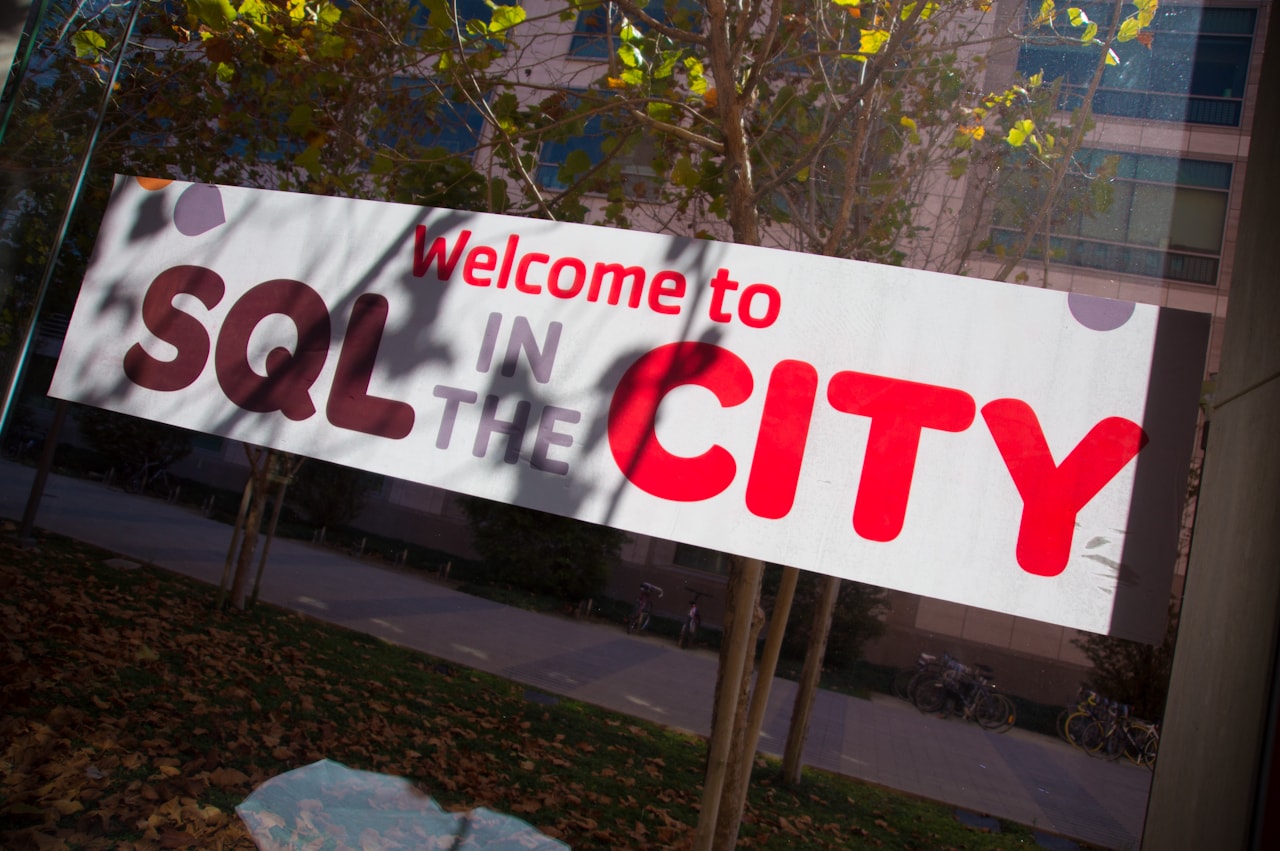
SQL in the City events, which included a tour around the US.

I still remember the first one in London at the Royal Society of Medicine in London. That was a treat.

and SELECT Star beer.

We ran that series for a long time, with quite a few live and virtual events. It was a fun time for my coworkers to get together in various places in the world. One of our last live events was in Cambridge at the Redgate office, with our 4 advocates.

2024-07-15 11_37_41-Window

Now we’ve evolved to the Redgate Summits, one of which is coming to New York next month.

I’ve watched Redgate grow to include Flyway (I’ve got a tips series), SQL Provision, and now Test Data Manager. I’ve done so many blogs and promos, the latest of which is TDM in 10 minutes. One of my favorites was a photo shoot in Cambridge, where they got me on another horse.

dbateam8

It’s been a great time for me and I’ve enjoyed my job with Redgate. I continue to do so today and look forward to the future. I truly hope this is the last job I have.

Posted in Blog | Tagged , , | 2 Comments

Cloud vs On-premises

The cloud has been a controversial concept for much of its existence. While the idea has been around for many decades, AWS started selling IT services in 2006, with Azure following suit in 2008. Since then, the use of cloud services has grown tremendously. While some applications and organizations have embraced the idea from the beginning. I found many of you at SQL Server Central were very hesitant at first. I guess some of you are still skeptical about the value of a production database in a public cloud.

From the beginning, I’ve felt that cloud computing has a place in the world, but in a way that is more appropriate for some situations than others. In terms of database (and maybe compute services), if you have a very well-known and predictable workload, the cloud can be very expensive. It might still be a good choice, but I think it often isn’t. If you have a variable or growing workload, then the cloud might serve you better than trying to keep up with new hardware in your own data center.

Bluesky has had a tremendous amount of growth since its founding. Twitter invested in this as a distributed project and when Elon Musk purchased the site, many users moved away. A lot of them went to Bluesky, which had to deal with a quickly changing workload. They started in AWS, but eventually decided to move to an on-premises setup.

Why? One would think their continued growth would mean AWS (or another cloud) would be a natural fit. However, they hired someone that provided an analysis showing they could invest in their own hardware, overprovision what they needed for growth, and keep up with the demands as they had developed a fairly accurate method of forecasting future needs. The savings in purchasing their own hardware allowed them to buy more than they needed and handle short-term spikes.

To be clear, this doesn’t mean the cloud is worse for most or even many organizations. Bluesky knows they need to continue to invest in hardware, and they are prepared to keep adding resources. They also architected a distributed system that still allows them to scale into AWS if needed in the short term. I don’t know many organizations that would prioritize those things alongside the rest of their business. Most of us do a poor job of forecasting load. Even if we do, often the difficulties of purchasing new resources mean that we can struggle to meet increased demands.

The companies that have moved to the cloud with success, and those that have left the cloud with success, are those that measure, monitor, and make appropriate decisions based on operational data, not opinions and feelings. They aren’t afraid to make a decision one way or the other, choosing what’s best for the organization, not what someone wants to do or thinks will be better.

The cloud might be better for you, or it might be worse, but you ought to have a way to measure and analyze the options. You also need a talented staff that isn’t afraid to try new things and adapt their architecture to take advantage of modern hardware and software. Too many of us aren’t as flexible as Bluesky and might not have the success they have, in or out of the cloud.

Steve Jones

Listen to the podcast at Libsyn, Spotify, or iTunes.

Note, podcasts are only available for a limited time online.

Posted in Editorial | Tagged | 2 Comments