Tag: learning

  • Learning and Building Skills

    This is completely off topic and feel free to stop reading if you don’t care about how to tap a bolt, but it was something that I had to a) learn, b) spend time practicing, and c) get done to save money.

    tl;dr it’s not hard, but it was interesting.

    Bear with me as I’ll explain the situation, what happened, and what/how I learned.

    We have this building on the ranch.

    IMG_2882

    That’s not a great show, but it is cool at night. Here’s a better shot.
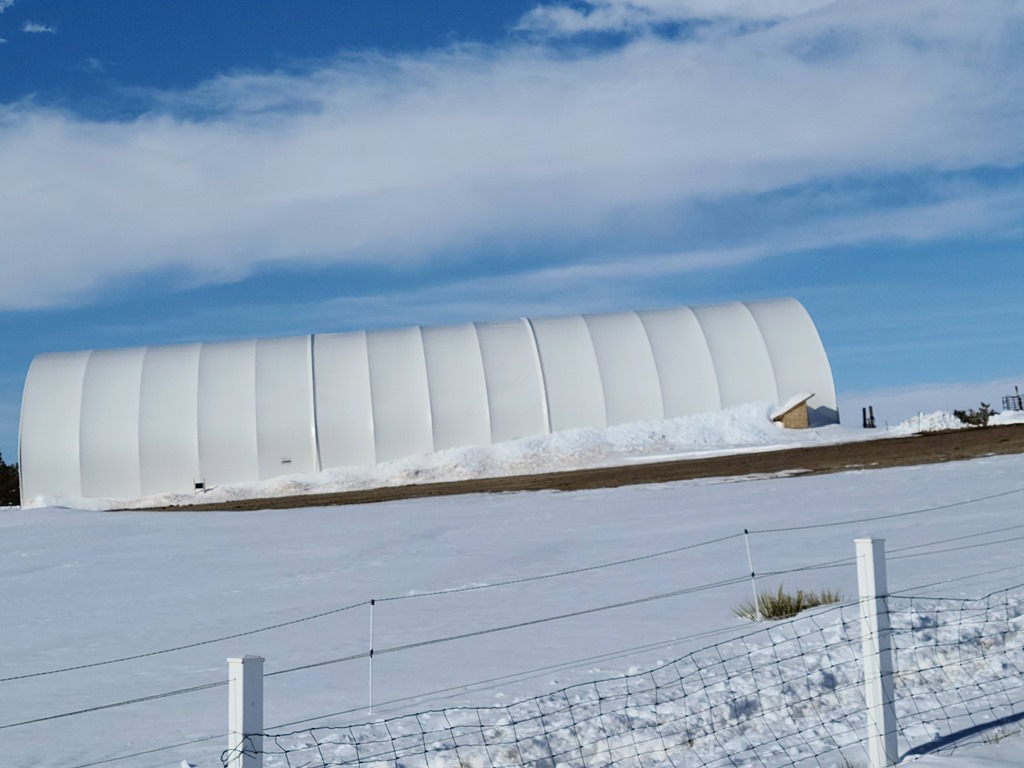
    20210315_161916

    This is a fabric building, made of a steel frame that’s anchored to the ground and fabric pulled around it. The fabric is actually secured by weaving straps through the frame. Here’s a good shot of how this works, albeit with a broken strap. We actually had to climb up here and tie a new strap to the existing one to secure things. Another skill, but a simple one. Mostly climbing and tying strings.
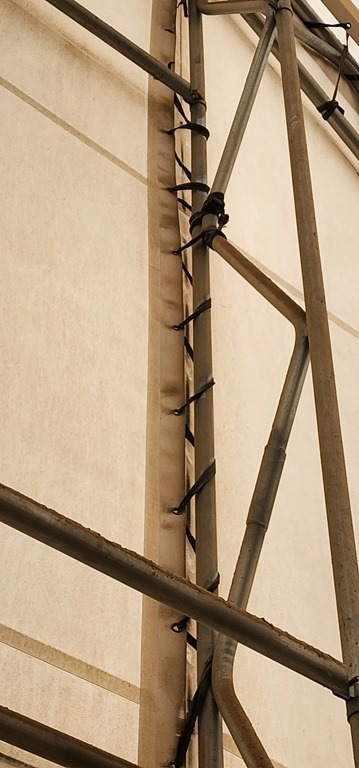
    messages_0 (1)

    At the bottom of the the fabric, there is a pocket. It’s actually a loop that runs horizontally along the material. Similar to how a hoodie has a pocket around the hood in which a string is threaded. In this case, there’s a steel pole in there. You can see this below, as the white material at the bottom is doubled over and a different color. There is a small pocket cut out towards the middle left where you can see the steel pole.

    20230225_161501

    This steel pole is secured to the bottom frame with a threaded rod. You can see a couple of these in the image, with a washer and nut on it. These go through the pole and screw into the frame that’s on the ground. The nut is tightened and holds the walls down in the wind. There is some space in some places where the wind and go in and out, which allows pressure to equalize inside and outside the building, and also helps the frame resist strong winds by having it flow through.

    I didn’t think much of this when the building was built, but at some point my wife told me a rod had broken and the building was flapping. In this case, part of the wall was moving, which wears the fabric down and can tear it.

    Not an easy thing to fix and potentially something that will cost a lot.

    Repairs

    When I examined the rod, I saw it had broken off in the base frame. I don’t have a great picture, but this is roughly what I saw, albeit in a round steel frame. This picture shows a bolt head broken, but for me, it was a longer rod.
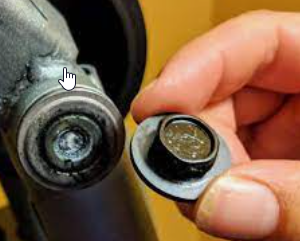
    2023-04-26 13_45_07-bolt broken off in hole - Google Search

    I did what I often do. I triaged the scope and scale of this problem. I saw articles like this one from Bob Vila. That didn’t look took hard, so I decided to see if I could remove the old bolt with a left handed bit and easily fix things.

    I bought a left handed bit and tried and failed. The old bolt is exposed to dirt and the weather and I think it slightly rusted in the nut, or perhaps it was too clogged from dirt, but I couldn’t get it out.

    My thought was to call a service person, but I also know this is a small job. Likely someone can do this in minutes, which means it’s not much $$ and hard to get someone to come.

    A little more research led me to videos like this one, which shows how to make a mark and drill out the screw. In checking with the costs of the tools, I found some that weren’t expensive, and certainly less costly than getting a handyman out.

    So I tried this. I took the broken rod to the store, found it was 1/2”, bought a slightly smaller drill bit (29/64) and a tap/die set.

    I got a hammer and a metal drill bit and drilled down into the hole. I used a little gear oil to keep things cool and worked my way down.
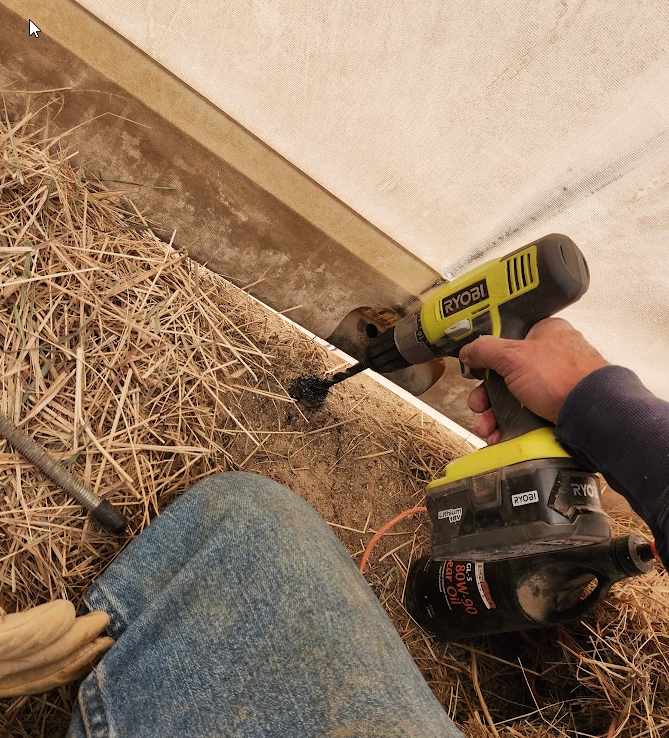
    2023-04-26 13_53_10-Photo - Google Photos

    Once I had a hole, I read instructions, watched a video, and then tapped new threads into the space. This is really keeping this tool aligned and screwing it down into the hole. It’s hard, and definitely tiring on the hands.
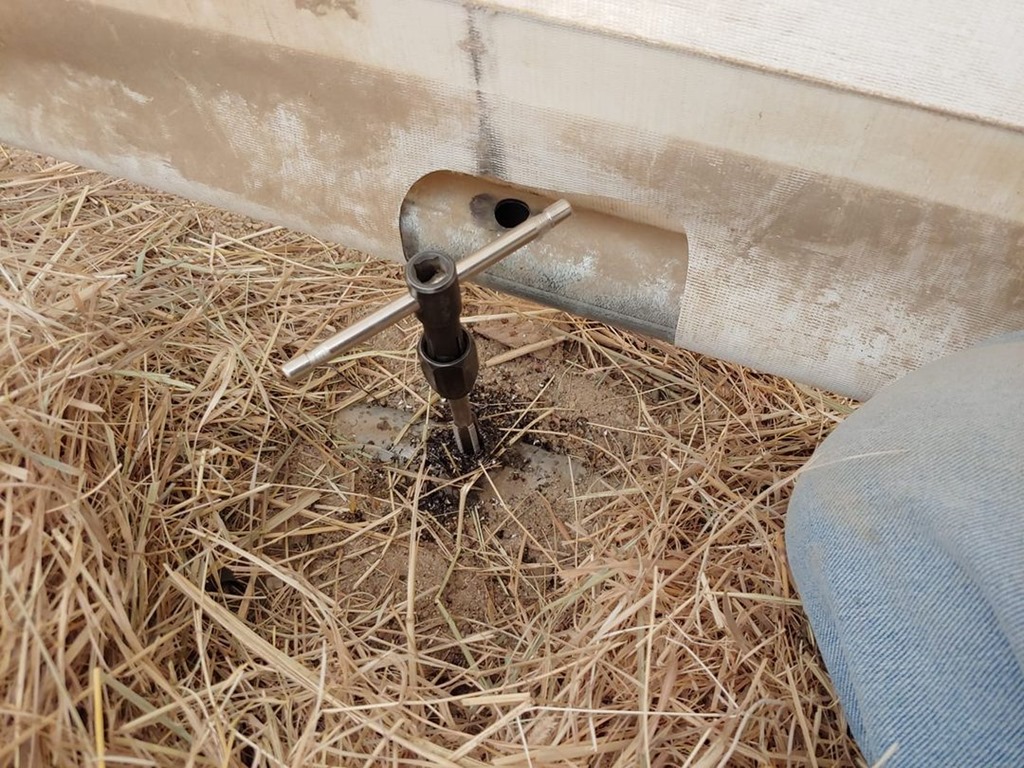
    82580967_10220563234979744_3451612706077933568_n

    Once I have this through the metal, I usually can easily go up and down a bit, threading it into and out of the hole. This is really only about 1/2-3/4” of metal as the horizontal tube below is hollow.

    The last part is threading in a new rod and tightening down the not on the bolt to hold the base.

    Reusing New Skills

    Once I did one, I felt confident in doing others. In fact, the first time my wife pointed out the problem, there were 2 to fix. Since then, I find that I need to fix 2-3 every year, in different places. Some from weather, some perhaps from horses or people kicking the base.

    I found that after the second time, I didn’t even need to go look up the process, as I internalized what needed to be done.

    There are quite a few skills like this I’ve learned in my lifetime, and plenty here at the ranch, that save money, and more importantly, time. They also give me a sense of satisfaction.

    On the list this year is to teach my daughter this skill as she’s hoping to come work on the ranch after college and this is something she can do.

  • Live Stairways Day 1 Homework

    I recorded my first class for the Live Stairways – Learning DAX and Power BI. My apologies for anyone that wanted to join. We had an error in the Zoom meeting, and I had to create a new meeting.

    Some fits and starts, but still, an interesting first class, as I worked through Level 1. A few things I, and you, need to do to follow along. I’ll add this to the class course, but for now, some homework.

    Homework

    First, SQL Server.

    If you haven’t installed SQL Server and SSAS, do that. You can get the developer edition from the SQL Server downloads page. I’m using SQL Server 2017, but 2019 should work. Set this up on a machine somewhere, and be sure to add SSAS.

    I don’t have SSAS installed, so I’ll do a video and post on how to add that to your SQL Server installation.

    Next, Power BI Desktop.

    If you haven’t installed Power BI Desktop, go here and download it. It’s an easy, standard Windows install.

    Last, AdventureWorks DW Version

    The AdventureWorks scripts are on GitHub. You can download the install script and run this to set up the DW database.

    That’s it for now. I’ll hold off on the SSAS project for now.

    homework #1 – Install SQL Server and SSAS
    homework 2 – AdventureWorks DW version
    Homework 3 Power BI

  • Setting 2020 Learning Goals

    I deliberately didn’t set any goals at the start of 2020 since I was taking six weeks off for a sabbatical. That’s done, and it’s time to look forward.

    I know I have a few things that will be important for work. Oracle, PostgreSQL, and MySQL will be on the list as we expand and try to sell more database development tools. We’re also working hard on improving SQL Monitor, so finding a way to improve me query tuning, analysis, and monitoring skills will exist.

    The goals I want to set here will be more personal goals that may relate to my career, but they’ll not necessarily be things I do at work. I’ll carve out some time elsewhere to get through these.

    Reading

    I like reading, and do a lot of us to escape and relax. I completed around 120 books last year, but almost all were fictional or non-technology books. I had hoped to get through 6 tech books, but that didn’t work.

    This year I’m going to scale back and tackle this in two ways. First, I want to get through at least 3 tech books that relate to specific coding or other skills. I’ve still got a couple from last year, including a Power BI one, so that’s one goal.

    The other one will be 2 career related tech books. I started Making Work Visible, and I need to finish that, along with another one.

    Goal:

    • 3 technical books
    • 2 non-tech, related books

    Projects

    I do a lot of demo stuff and build lots of PoC type things, but I need a couple projects. Specifically, I want to get projects done that will help at work, but will be useful in some way to me, or perhaps even others. With that in mind, and dovetailing slightly with those items above, I want to tackle these three projects and get them in a somewhat useable state:

    • A Power BI report that updates from a database
    • A mobile app reading data from somewhere
    • A website that showcases changes and data from a database.

    Not big projects, but getting something organized and relearning some tech about reporting and coding is important to me. I have a few rough ideas for which topics to use for these, but I want to try some basic PoC and see how things go.

    Checking In

    I think I need to check in monthly with these goals and start to see how I’m making progress. I’ll set reminders weekly to spend time here and then monthly to update some stats on where I am.

    I think this feels slightly ambitious, but we’ll see how 2020 goes. Hopefully better than 2019.

  • Growing and Changing

    When I started with SQL Server, I worked on OS/2 and SQL Server 4.2. Eventually I moved on to SQL Server 6.5 at a few places, one of which had heavy workloads. While I liked v6.5 much more than v4.2, there were issues with nested views, and certainly issues with heavy tempdb loads. In fact, at one job, I banned temp tables unless we had no other way to get queries to work. This helped stabilize some of our code, and we essentially had a review group that a developer had to convince to allow temp tables since there were situations where we needed them.

    I was reminded of this recently after Grant published his Best Practices and Band Plans editorial. There was this comment, which noted: ” I have talked to some people that state “our best practices is to never use…” because they tried it when it was first introduced in SQL Server 2005 and it didn’t work for them so now they won’t use it at all. ”

    I’ve encountered this in my career, and I’ve been guilty of it. It took me a few versions, and more complex code, to start thinking in terms of temp tables at times. I still try to avoid them, but I’m not afraid of them, and I know SQL Server handles tempdb loads better with each version. They are a tool I reach for sooner, but not immediately. I still try to get a simpler T-SQL query if I can.

    Many developers and DBAs have plenty of experience with T-SQL, but how often do they update their knowledge? How many people question that the way they first think to solve a particular problem is the best way? The T-SQL language has grown and changed across versions. Some language changes are great, like the OVER() clause for window functions. Some might not be so great (STRING_SPLIT among them) or have limitations that you might not expect. Without questioning the way you write code and periodically looking for new techniques, you might not be aware that the amazing code you wrote a few years ago could be better structured today.

    There is a balance between relying on your knowledge and trying new things. Certainly most of the time I’d expect a developer to write code based on their experience and what works well, but I do think that you also need to periodically investigate new techniques. Regular learning is part of what we hope to help you with at SQLServerCentral, with articles, the Question of the Day, and blogs in our daily newsletter. Maybe you don’t read every article, but go through one once every week or two. Whether it’s something you do every day or have never tried, you might be surprised what you learn.

    Steve Jones

    Listen to the podcast at Libsyn, Stitcher or iTunes.