Sharing the Code

I don’t know how many of you use the ScriptDOM. I haven’t really used it, but was very impressed with Mala Mahadevan’s Stairway Series on the topic. I have recommended this to a few customers that were looking for some complex code analysis features, which go beyond what SQL Prompt or SQL Fluff do.

I noticed this week that ScriptDom has been open sourced by Microsoft. The code is available on GitHub, which means you can fork it and change it. Or submit PRs. No idea if Microsoft will take them, but if you write solid, useful code, they might.

I like that more and more Microsoft is open-sourcing and sharing code that they write. Usually, their repos aren’t for software they sell, but maybe they will change that at some point.

There are over 5000 repos in their account right now, including one for VSCode, which I use almost every day. While I don’t plan on contributing or even bug-fixing, I bet some of you might. I might contribute to the docs, which I do regularly for the SQL Server docs. There are a lot of changes here, but there are a few marked way0utwest.

BTW, if you don’t want to do your own PRs, send me a note. I’m happy to edit the docs and submit changes.

I am a fan of open-source projects, because I do think collaboration is useful in many situations. While I don’t expect many people to actually make changes to software, some will. Some, like me, will correct docs, and others will find issues in the code and report them. All of those efforts help us improve software, and I am all for higher quality software.

Now if we could get Microsoft to open-source SSMS, maybe a few of you would find ways to improve that application.

Steve Jones

Posted in Editorial | Tagged , | 4 Comments

Learning and Building Skills

This is completely off topic and feel free to stop reading if you don’t care about how to tap a bolt, but it was something that I had to a) learn, b) spend time practicing, and c) get done to save money.

tl;dr it’s not hard, but it was interesting.

Bear with me as I’ll explain the situation, what happened, and what/how I learned.

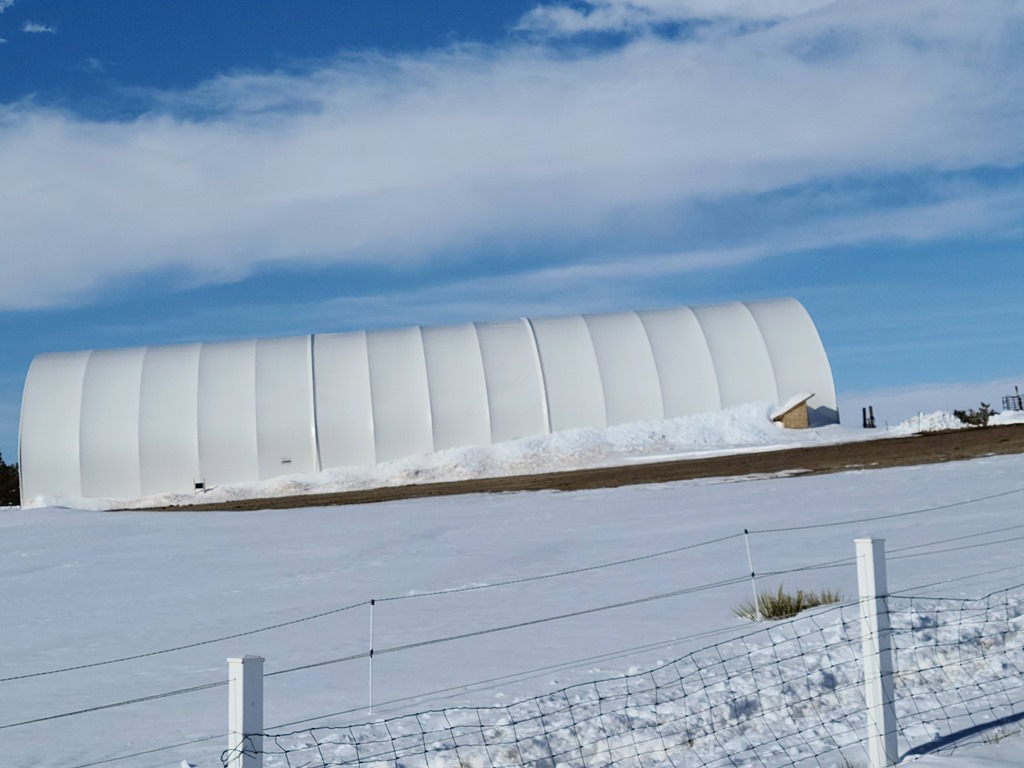
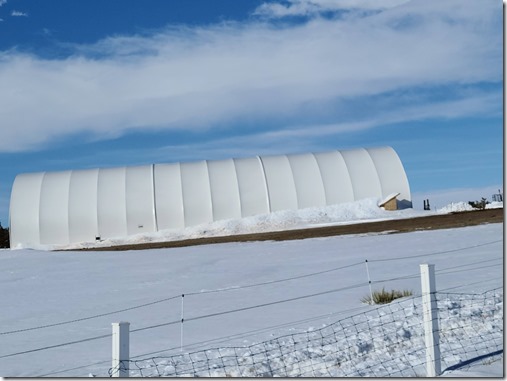
We have this building on the ranch.

IMG_2882

That’s not a great show, but it is cool at night. Here’s a better shot.
20210315_161916

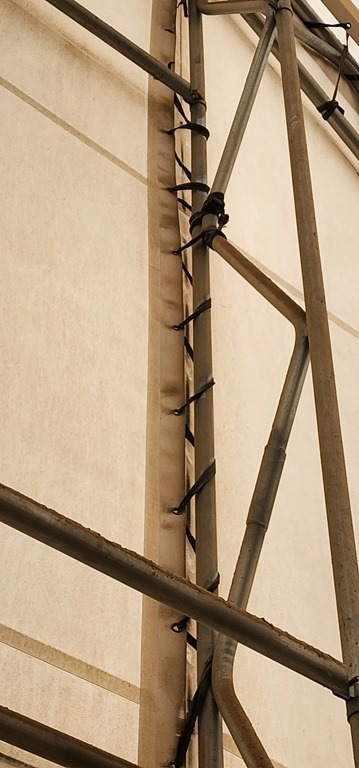
This is a fabric building, made of a steel frame that’s anchored to the ground and fabric pulled around it. The fabric is actually secured by weaving straps through the frame. Here’s a good shot of how this works, albeit with a broken strap. We actually had to climb up here and tie a new strap to the existing one to secure things. Another skill, but a simple one. Mostly climbing and tying strings.

messages_0 (1)

At the bottom of the the fabric, there is a pocket. It’s actually a loop that runs horizontally along the material. Similar to how a hoodie has a pocket around the hood in which a string is threaded. In this case, there’s a steel pole in there. You can see this below, as the white material at the bottom is doubled over and a different color. There is a small pocket cut out towards the middle left where you can see the steel pole.

20230225_161501

This steel pole is secured to the bottom frame with a threaded rod. You can see a couple of these in the image, with a washer and nut on it. These go through the pole and screw into the frame that’s on the ground. The nut is tightened and holds the walls down in the wind. There is some space in some places where the wind and go in and out, which allows pressure to equalize inside and outside the building, and also helps the frame resist strong winds by having it flow through.

I didn’t think much of this when the building was built, but at some point my wife told me a rod had broken and the building was flapping. In this case, part of the wall was moving, which wears the fabric down and can tear it.

Not an easy thing to fix and potentially something that will cost a lot.

Repairs

When I examined the rod, I saw it had broken off in the base frame. I don’t have a great picture, but this is roughly what I saw, albeit in a round steel frame. This picture shows a bolt head broken, but for me, it was a longer rod.

2023-04-26 13_45_07-bolt broken off in hole - Google Search

I did what I often do. I triaged the scope and scale of this problem. I saw articles like this one from Bob Vila. That didn’t look took hard, so I decided to see if I could remove the old bolt with a left handed bit and easily fix things.

I bought a left handed bit and tried and failed. The old bolt is exposed to dirt and the weather and I think it slightly rusted in the nut, or perhaps it was too clogged from dirt, but I couldn’t get it out.

My thought was to call a service person, but I also know this is a small job. Likely someone can do this in minutes, which means it’s not much $$ and hard to get someone to come.

A little more research led me to videos like this one, which shows how to make a mark and drill out the screw. In checking with the costs of the tools, I found some that weren’t expensive, and certainly less costly than getting a handyman out.

So I tried this. I took the broken rod to the store, found it was 1/2”, bought a slightly smaller drill bit (29/64) and a tap/die set.

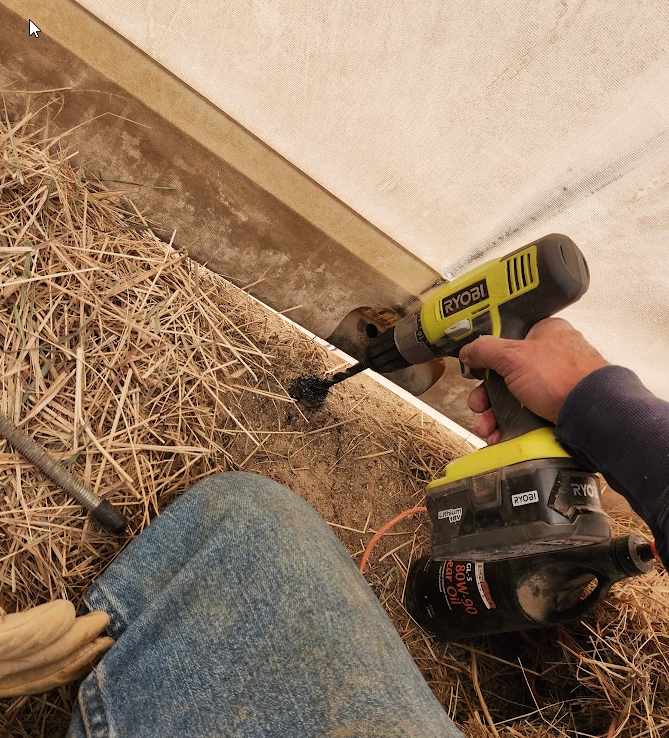
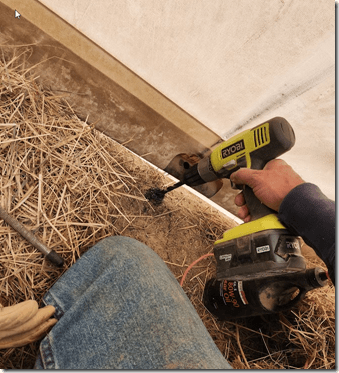
I got a hammer and a metal drill bit and drilled down into the hole. I used a little gear oil to keep things cool and worked my way down.
2023-04-26 13_53_10-Photo - Google Photos

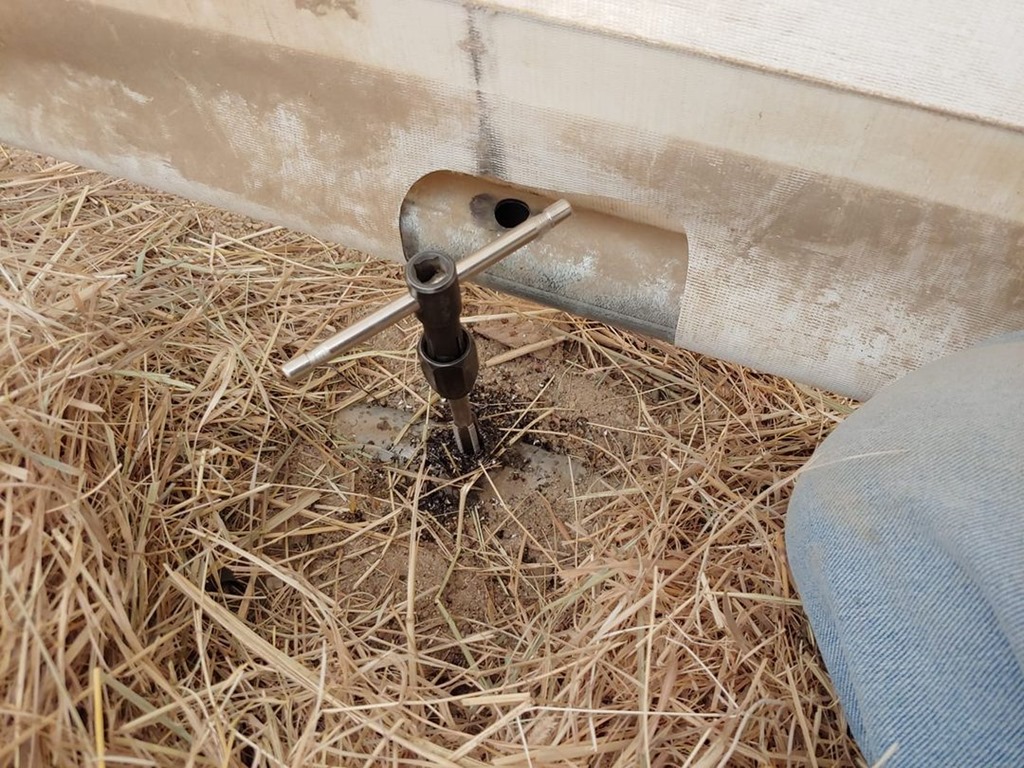
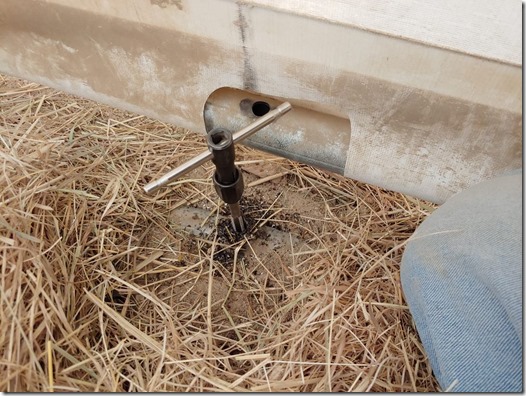
Once I had a hole, I read instructions, watched a video, and then tapped new threads into the space. This is really keeping this tool aligned and screwing it down into the hole. It’s hard, and definitely tiring on the hands.
82580967_10220563234979744_3451612706077933568_n

Once I have this through the metal, I usually can easily go up and down a bit, threading it into and out of the hole. This is really only about 1/2-3/4” of metal as the horizontal tube below is hollow.

The last part is threading in a new rod and tightening down the not on the bolt to hold the base.

Reusing New Skills

Once I did one, I felt confident in doing others. In fact, the first time my wife pointed out the problem, there were 2 to fix. Since then, I find that I need to fix 2-3 every year, in different places. Some from weather, some perhaps from horses or people kicking the base.

I found that after the second time, I didn’t even need to go look up the process, as I internalized what needed to be done.

There are quite a few skills like this I’ve learned in my lifetime, and plenty here at the ranch, that save money, and more importantly, time. They also give me a sense of satisfaction.

On the list this year is to teach my daughter this skill as she’s hoping to come work on the ranch after college and this is something she can do.

Posted in Blog | Tagged , | 2 Comments

The Survivors

The last year has seen a number of large tech companies lay off large numbers of staff. The list for 2023 includes large companies, like Google (12,000), Amazon (9,000 this time), Microsoft (10,000), and Meta (10,000 this time), but also small companies like Zoom (1,300), Rapid (115), and Roku (200). It’s not just tech companies, however, as Disney (7,000), Gap (500), 3M (6,000), and David’s Bridal (9,236) are letting people go. There are plenty of other companies who have let people go, which is interesting to me as the economy has grown in the US, though profits were down. It’s hard to know whether these layoffs are really important for all these companies or whether these layoffs are management’s decision to group their bad news with everyone else’s and take advantage of the opportunity to shrink labor costs.

In any case, layoffs are sad and stressful. Certainly, the people being let go are traumatized and I don’t want to minimize the impact to their lives, but this can be hard for the survivors as well. This isn’t just a Silicon Valley situation, but one that affects many employees all over the world. Whenever there is a large staffing change in an organization, those that remain can be traumatized and unproductive. This is one reason that public companies must notify and disclose layoffs to investors.

This article looks at how some tech company employees react after surviving a layoff, and it reminds me of some of the layoffs I’ve been through. While I haven’t been let go in a layoff, I have had to deal with the aftermath of some friends losing their employment while other friends try to cope. I’ve felt sad, angry, upset, concerned, frustrated, and more. Even as one of the lucky people that kept their jobs, I found myself unable to cope with the changes on the fateful day and for some time after. I struggled to focus during the next few weeks, while also being stressed as I realized the workload grew unexpectedly. There was still lots of work, but less staff to do it.

Anytime you survive a layoff, I think it’s natural to question whether you want to continue working in the same organization. Is business that bad that we need to let people go? Will there be another layoff? Is our leadership actually doing a good job or have they made mistakes by hiring unnecessary people? Am I unnecessary? Are managers appeasing investors who care more about their return or even worried about their own bonuses? All of these thoughts swirl through my head and others’ heads as we move forward. I don’t want you to feel bad here, but to think about your situation as someone that might get laid off or survive one.

Most of us don’t experience layoffs, and if we do, it’s not often that these happen. However, they are always possible, which is why I advocate for all of you to keep learning, regularly grow your skills, keep your resume up to date, and be aware of how your organization is operating. It’s good to work as if you’ll continue in this position (if you enjoy it), but my motto is: hope for the best, plan for the worst.

Of course, if you don’t like your job, you should be working to find another one. The best time to find a new job is while you already have one.

Steve Jones

Listen to the podcast at Libsyn, Stitcher, Spotify, or iTunes.

Posted in Editorial | Tagged | 7 Comments

Why Learn PostgreSQL?

At Redgate, we’ve spent a lot of time adding PostgreSQL functionality to our DevOps tools. We’ve also hired an advocate, Ryan Booz, to help us spread the word and educate everyone about the platform.

How important is this? It’s hard to know. I know all the major vendors offer flavors of PostgreSQL. Azure has Azure Database for PostgreSQL, AWS has Aurora and RDS, and Google has AlloyDB. I also see plenty of customers using PostgreSQL in some way.

On Redgate.com, there is an article on What is PostgreSQL, and why do businesses need to know more about it? This is a general, high level article that highlights a few things from perspective of business usage. While there aren’t a lot of details, I do find more companies embracing PostgreSQL and other platforms outside of Oracle/SQL Server.

I also noticed a webinar coming tomorrow, PostgreSQL 101: Why PostgreSQL in 2023?, that I am going to try and watch.

I’ve been working with PostgreSQL lightly, and it’s in my Flyway PoC series. I find it both interesting, and in many ways, the same as working with SQL Server. Much of my knowledge transfers, so I’m not worried about learning to use it more in depth if needed.

If you’re worried about your company leaving SQL Server, maybe you want to spend time working with another platform, if for no other reason that you can build some familiarity with tools. However, I don’t know I’d recommend many SQL Server spend time here without a pressing need, and I don’t know that I would advocate for my company to switch. There is a lot to learn, and I think the time spent converting knowledge could outweigh licensing costs.

Posted in Blog | Tagged , | 2 Comments